Last week at the Scottish Parliament, Lothian MSP Miles Briggs called on SNP and Green Ministers to progress the A720 Sherrifhall roundabout.
At the start of February this year a Public Local Inquiry was carried out, to address objections which were received in relation to the project.
In his question, Mr Briggs asked if the Scottish Government has received any recommendations from the independent reporter.
In response, Minister for Transport Fiona Hyslop, said: “The Scottish Government has not yet received any recommendations from the independent reporter regarding the A720 Sherrifhall roundabout following that public inquiry, held between the 31st January and the 8th February 2023.”
Mr Briggs has previously called on SNP and Green Ministers to make progress on upgrades to the junction, with £120 million being earmarked for the project as part of the Edinburgh and South East Scotland City Region Deal.
The announcement on Thursday by Audit Scotland that the Scottish Government will not meet their infrastructure goals has raised concerns over the delivery of the project.
Lothian MSP Miles’ Briggs said: “I am disappointed to hear that and I think that people across Edinburgh and the Lothians and the South of Scotland as well, will really be wanting to see when those will be given to Ministers and how fast we can see this progress, because we need the A720 Sherrifhall roundabout to be upgraded.
“It is now over five years since the Sherrifhall Roundabout was included in the Edinburgh and South East Scotland City Region Deal. We need to see this upgrade urgently progressed.”
Plan for drivers ‘will sit alongside continued investment in public transport and active travel’
new long-term government plan will support drivers and put the brakes on anti-car measures
plan will address drivers’ everyday concerns with new measures to keep traffic moving, make parking simpler, and clamp down on overrunning road works
guidance to be reviewed on 20mph limits and low traffic neighbourhoods in England to ensure local support, ending blanket imposition of anti-driver policies
Transport Secretary Mark Harper has set out plans to protect drivers from over-zealous traffic enforcement, as part of a long-term government plan to back drivers.
With 50 million people holding a driving licence in Great Britain and more than 40 million licensed vehicles in the UK, the government’s new plan will support the majority who drive, by keeping motoring costs under control and ensure people have the freedom to drive as they need to in their daily lives.
The measures include reviewing guidance on 20mph speed limits in England to prevent their blanket use in areas where it’s not appropriate and amending guidance on low traffic neighbourhoods to focus on local consent.
As part of the ongoing review into low traffic neighbourhoods, the government will also consider measures for existing anti-driver policies that did not secure local consent. The plans also aim to stop councils implementing so called ‘15-minute cities’, by consulting on ways to prevent schemes which aggressively restrict where people can drive.
Drivers across the country will also soon be able to benefit from new technology to simplify parking payments. The national parking platform pilot will be rolled out nationwide so that drivers can use an app of their choice to pay instead of downloading multiple apps.
In the continued drive to tackle potholes, the government will support councils to introduce more lane rental schemes, where utility companies are required to pay to dig up the busiest roads at peak times. Under the proposals, at least half of the extra money raised from these fees will go directly towards repairing road surfaces.
To further clamp down on overrunning street works, the government will consult on extending fines for repairs which run into weekends and increasing current levels of fixed penalty notices.
Prime Minister Rishi Sunak said: “For too long politicians have focused on the short-term decisions with little regard for the long term impact on hardworking families.
“We’ve seen this consistently with people’s freedoms on transport. The clamp down on drivers is an attack on the day to day lives of most people across the UK who rely on cars to get to work or see their families.
“This week the UK government will set out a long-term plan to back drivers, slamming the brakes on anti-car measures across England. We are taking the necessary decision to back the motorists who keep our country moving.”
Transport Secretary Mark Harper said: “Too often the private car is vilified when it has been one of the most powerful forces for personal freedom and economic growth. That’s why the government is taking the long-term, necessary decision to back the motorists who keep our country moving.
“We’re introducing a plan to ensure drivers can enjoy smoother journeys, park more easily and no longer face unfair and oppressive traffic enforcement measures.
“Our plan will sit alongside our continued investment in public transport and active travel as part of a package of measures designed to help people travel in the best way that works for them.”
A call for evidence will be launched on options to restrict the ability of local authorities to generate revenue surpluses from traffic offences and over-zealous traffic enforcement, such as yellow-box junctions.
To make life easier for drivers and help traffic flow better, the Department for Transport will strengthen guidance to make sure bus lanes only operate when necessary and a consultation will be launched on motorcycles using bus lanes. Further measures and the full plan will be published in the coming days.
The measures follow the Prime Minister’s new approach to net zero announced last week, which committed to ending the sale of new petrol and diesel vehicles by 2035, while supporting people who rely on their cars in their daily lives. The long-term plan to back drivers will protect people who rely on their cars from anti-driver policies.
The plans also follow the government’s support for drivers by cutting the fuel duty rate by 5p per litre since March 2022, saving the average driver around £100 a year. This is in addition to £5 billion government investment since 2020 to resurface local roads, and new rules to clamp down on utility companies leaving potholes behind after street works.
Contractors will start installing signage around the LEZ city centre boundary from October to help drivers plan their journeys in advance of enforcement beginning on 1 June 2024.
Automatic Number Plate Recognition (ANPR) cameras, which support enforcement, will be installed in late 2023/early 2024 and a mobile enforcement vehicle will be active from June 2024 onwards.
In early 2024 there will also be changes made to some street layouts and signals around the LEZ boundary to cut congestion and improve safety for everyone.
Independent market research carried out in June indicates that a majority of drivers in Edinburgh continue to support the LEZ and think protecting public health is important. Awareness and understanding of the LEZ has improved since 2022, highlighting the success of the local and national communications campaigns.
Councillor Scott Arthur, Transport and Environment Convener, said: “It may seem some way off, but we are beginning to approach the start of enforcement of the LEZ, and we want to make sure drivers are prepared.
“Air pollution harms both our physical and mental health, so by restricting the most polluting vehicles in the LEZ we will create a healthier place for everyone, reducing inequalities and making the city centre a more welcoming place.
“I’m pleased that compliance with our emissions standards continues to increase, driven by the upcoming LEZ restrictions and support funds, and that support remains high. Lothian Buses are now LEZ ready, and the Council fleet will be soon.
“There’s still work to be done though to ensure everyone else who enters the zone is compliant. As we begin preparations for enforcement, I would encourage all drivers to check if their vehicle is compliant through the online vehicle checker tool, and find out more about the support funds available.”
A city centre LEZ was introduced in Edinburgh on 31 May 2022, along with LEZs in Glasgow, Aberdeen and Dundee, restricting the most polluting vehicles and benefiting everyone’s health. In Edinburgh, a two-year grace period is in place, meaning no penalty charges will be issued during this time.
Compliance is particularly high amongst the local buses (97%), with Lothian Buses being 100% compliant. Petrol cars (95%) and lorries (86%) also have high compliance rates yet diesel cars are only 50% complaint.
Restricting the most polluting vehicles will significantly reduce harmful emissions of nitrogen oxides (NOx) from vehicles by up to 50% within the LEZ. Further air quality improvements are expected beyond the boundary, improving public health around the city.
LEZ restrictions will apply to motor vehicles, except motorcycles and mopeds. Vehicles must meet the minimum emissions standards to drive within the zone, though national exemptions apply including for blue badge holders and emergency vehicles.
Edinburgh’s LEZ will issue penalty notice charges, or fines, in line with Scottish regulations, from 1 June 2023. Penalties start at £60, for non-compliant vehicles driving within the Zone though this is reduced by 50% to £30 if paid within 14 days.
Penalties escalate and surcharges will be issued if drivers repeatedly enter the LEZ within a 90 day period. These surcharges are capped at £480 for cars and vans, and £960 for buses and lorries.
Motorists have been warned that the risk to life because of potholes is now severe, as new figures reveal UK roads are in the worst condition in years.
Road safety experts at Road Angel are urging councils to fork out and repair potholes or they say road users will lose their lives.
Local authorities paid out over £32 million in compensation for 5,596 personal injury claims due to potholes between 2017 and 2021, according to a freedom of information request.
Pothole-related breakdowns hit a five-year high in July this year, with 50,079 callouts to vehicles stranded with faults caused by potholes, an increase of nearly one-fifth from 41,790 in July 2022.
With fewer potholes being repaired in the last financial year than any other in the past decade, there is concern that thousands more will be injured, and killed, as a direct result of badly kept roads.
A wet summer has meant that UK roads are in a worse condition than expected as water causes greater damage and repairs are harder to carry out.
If left, potholes grow in size as traffic wears away the edges leaving greater numbers of larger holes that will cause serious damage if driven through.
Motoring organisations are reporting that these larger potholes fill up with water in the wet so are harder for motorists to spot.
Drivers run the risk of losing control of their car when they drive over potholes, especially if they don’t spot them and are moving at speed.
Potholes can cause extensive damage to a car’s tyres which can affect steering alignment, and can also cause wheels to burst, pop or deflate while driving which could send the vehicle out of control.
They can also cause suspension to become misaligned leading to tyres being at the wrong angle which can also lead to a loss of control.
Over 29,000 people were killed or seriously injured on UK roads last year and 11% of crashes were caused by a loss of control.
Gary Digva, founder of Road Angel, is now pleading with local authorities to assess the risk to life if the pothole problem in the UK is not repaired.
He said: “It is shocking to see that the pothole plague in the UK is not being taken seriously by local councils given how many people are injured because of them.
“With fewer potholes being repaired than in the last decade, it is only a matter of time before we start seeing an increase in accidents, injuries and fatalities unless something changes.
“Potholes are incredibly dangerous for motorists as they can cause them to lose control, especially if they cause damage to the tyres of suspension, or swerve out of the way to prevent damage.
“Almost 30,000 people were killed or seriously injured on UK roads last year, and we fear these numbers could increase with the current state of the roads.
“Potholes not only pose a threat to motorists, but they are also dangerous for cyclists because the uneven surfaces can cause the bike to lose control, leading to accidents and serious injuries.
“Pedestrians could also get caught in the crossfire of out-of-control vehicles, putting them at serious risk of harm if walking along a busy road.
“To make matters worse, we have had an unusually wet summer this year which makes potholes harder for road users to see, meaning more people are at risk of hitting potholes and losing control.
“The best advice to motorists while the roads are in this substandard condition is to drive with caution at all times and reduce speeds when approaching a pothole.
“Motorists concerned for their safety after hitting a pothole should ensure they go to a qualified mechanic to check the vehicle for any damage.
“It is also worth noting that to make a claim in the event of injury or car damage from a pothole, evidence must be collected to show it was caused by the council’s negligence.
“This is a tough process, but can be done using witness statements, photo or video evidence and medical records, so while the roads are neglected by the councils it may be worth investing in a dashcam to capture pothole proof.”
Richard Evans, head of technical services at webuyanycar comments; “With more and more callouts for breakdowns likely caused by defective roads, many drivers and cars are at risk of damage from potholes.
“Our research showed that over half of drivers (54%) have had their car damaged as a result of potholes, with 40% actively avoiding routes that they know are prone to them.
“If drivers think that their tyres have burst or their car has broken down, they should try to pull over somewhere safe to avoid obstructing other road users.
Using hazard lights and if necessary a warning triangle will also help to ensure you are visible to other drivers.
“Breaking down can be a stressful and potentially dangerous experience, so it’s important to know the steps to take to keep you and your passengers safe.
“Using our tips for breakdown, drivers can find out the correct steps to take depending on which type of road they are on should their car break down.”
Government urged to take action on the UK’s worsening pothole problem
Drivers are being warned about the worsening condition of roads across the UK, following news pothole-related breakdowns are at a five-year high.
Experts from leading price comparison website Quotezone.co.uk are calling on the government and local councils to not let the pothole problem get even worse.
After one of the wettest months of July on record, the road’s potholes are filled with water and not visible to motorists, causing a record number of pothole-related breakdowns.
Motorists will run an increased risk of damaging vehicles by driving over potholes if UK roads are not properly maintained.
Spending on road maintenance has almost halved since the financial crisis just over a decade ago, and the recent cost of living crisis has further reduced potholes on the priority list.
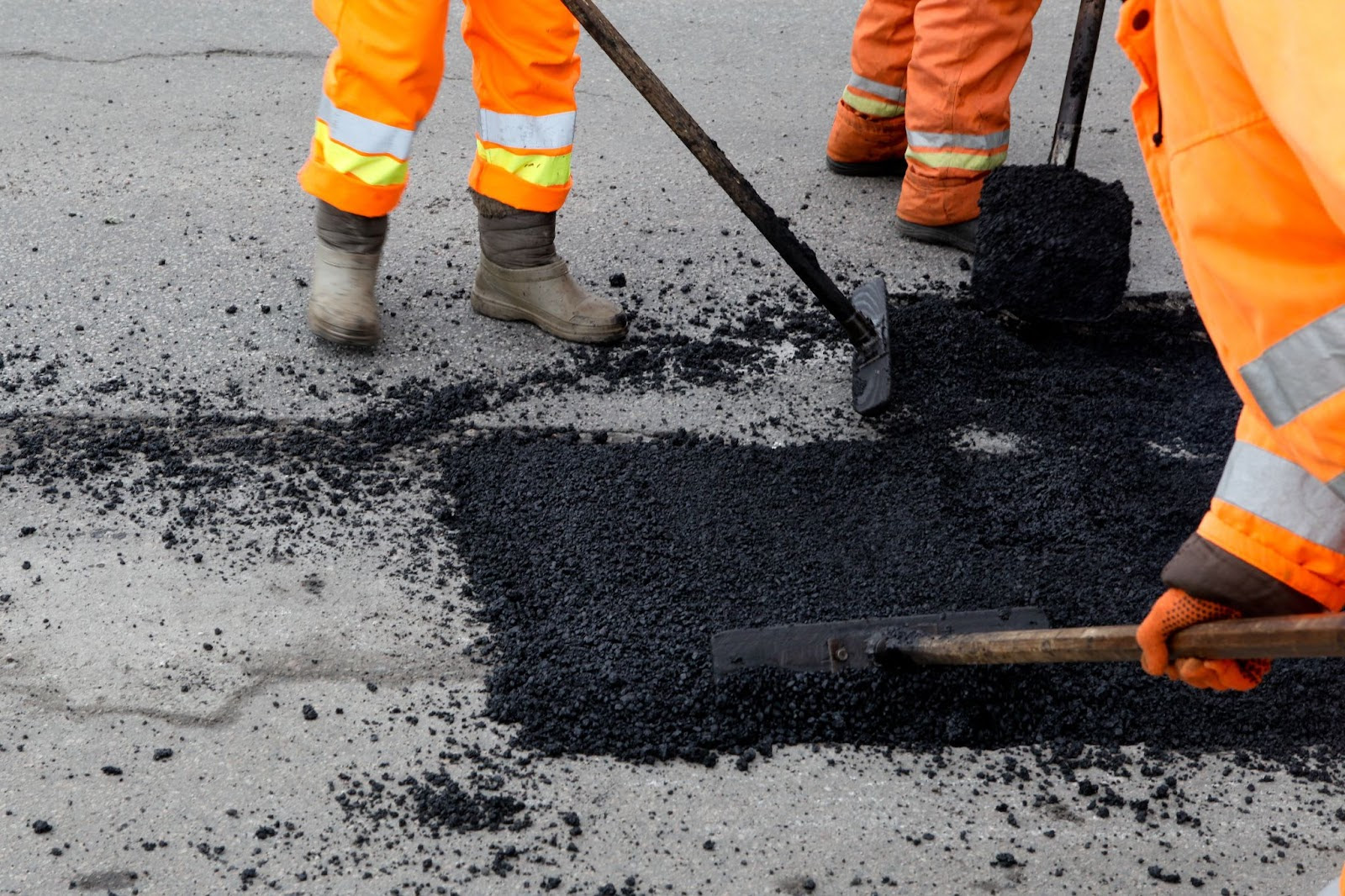
Even temporary pothole fixtures – which involves filling the hole with a form of asphalt treatment – have also decreased by almost half in some counties.
Credit: Shutterstock
There are also claims from members of the public that councils are not properly inspecting potholes that have been reported online.
Several county councils have admitted that filling in potholes is no longer a priority as a result of the rising cost of living, with less funding for UK highways.
And with an expected bad weather spell to last well into the New Year with rising levels of snow, ice and rain – it will no doubt make potholes even worse.
With a combination of bad weather and lack of funding, the UK is likely sitting on a disaster waiting to happen and the pothole problem may soon get out of hand.
Quotezone.co.uk are calling for councils and the government to urgently act on what is a UK wide problem.
Data shows that the worst pothole affected area in the UK is by far Northumberland with over 180,000 potholes reported over four years, followed by Cornwall and Kirklees in West Yorkshire.
Newcastle, Liverpool and Suffolk also have some of the worst potholed roads in the UK as well as Fife and Glasgow in Scotland, and Newry, Mourne & Down joined by Armagh City, Banbridge & Craigavon in Northern Ireland.
Greg Wilson, Founder and CEO of Quotezone.co.uk said: “We all know how bad it can be to drive down roads which are full of potholes, and unfortunately the problem does not seem to be going away.
“Most, of us have had damage caused by a pothole, or know someone that has. We are expecting a winter of extreme weather and with spending on road maintenance on the decline, we could expect to see a significant increase in pothole related claims.
“This will make UK roads more dangerous for all road users, and that’s why we’re calling on local authorities and the government to act now ahead of the worsening weather and make a start on fixing the UK’s pothole problem.”
The poor condition of Britain’s local roads is laid bare by new figures from the RAC which show its patrols went out to more than 8,100 pothole breakdowns between April and June 2023 – the highest number in five years.
Since the start of 2023, the RAC has dealt with 18,250 breakdowns for damaged shock absorbers, broken suspension springs or distorted wheels – the call-outs which are most likely caused by defective road surfaces.
The 8,100 pothole-related breakdowns recorded in Q2 is the highest the RAC has since the ‘Beast from the East’ cold snap plunged much of the UK into a deep freeze with heavy snowfall five years ago.
The figures show that 27,250 breakdowns occurred in the 12 months up to 30 June 2023 where vehicles had been damaged by a pothole, compared to 22,800 over the same period in 2022 – 20% increase more than last year (4,550 more breakdowns).
The RAC Pothole Index, which tracks pothole call-outs since 2006 seasonally adjusted for weather, reveals drivers are now over 1.6 times more likely to break down due to the repeated wear caused by potholes than they were 17 years ago.
This does not include punctures as other factors such as nails and screws may also be to blame. However, the number of punctured tyres RAC patrols went out to in the second quarter of 2023 (101,200) was 13% higher than the previous year (89,600), indicating that poor road surfaces may well have played a part.
A Freedom of Information request made by the RAC* also reveals councils have forked out more than £11m over the last four years to drivers who successfully claimed their vehicles had been damaged by potholes.
Data provided by the 172 councils (of the 208 across the UK with responsibility for highways) that responded shows £2.41m was paid to drivers in 2020/21, £2.71m in 2019/20 and £3.61m in 2018/19 – meaning the collective compensation paid by these councils fell by a third (33%) from 2018/19 to 2021/22.
The RAC also asked councils to detail how much they spend on maintaining their roads over the same three years. The findings show that, among the councils that supplied data, almost £1bn** was allocated with a further £3.5bn*** spent on carriageway resurfacing.
Interestingly, the amount councils spent on routine maintenance per year rose by 17% between 2018/19 (£237m) and 2021/22 (£277m)**, though the effect of inflation on material and labour costs may well mean this increase have drastically improved road quality. Meanwhile, the amount spent on planned resurfacing went up by 9% between 2018/19 (£851m) and 2021/22 (£928m)***.
Richard Evans, head of technical services at webuyanycar comments; ““With more and more callouts for breakdowns likely caused by defective roads, many drivers and cars are at risk of damage from potholes.Our research showed that over half of drivers (54%) have had their car damaged as a result of potholes, with 40% actively avoiding routes that they know are prone to them.
“If drivers think that their tyres have burst or their car has broken down, they should try to pull over somewhere safe to avoid obstructing other road users. Using hazard lights and if necessary a warning triangle will also help to ensure you are visible to other drivers.
“Breaking down can be a stressful and potentially dangerous experience, so it’s important to know the steps to take to keep you and your passengers safe. Using our tips for breakdown, drivers can find out the correct steps to take depending on which type of road they are on should their car break down.”
People living in and interested in the future of the west of Edinburgh can take part in THREE public consultations just launched.
The city council is asking residents as well as those working and visiting the area how they think it could grow sustainably for future communities to be better connected, cleaner, greener and fairer for all.
Over the next few months there will be an opportunity to comment on three separate but linked key proposal documents:
Available to view together, these proposals could substantially develop the experience of living and moving around communities in the west of Edinburgh, helping the Capital to shape future planning policy and become a net zero city.
Towards West Edinburgh 2050 proposes how we could develop the area over the next 30 years. At this stage there are no detailed proposals but instead an overarching vision to be used as a starting point for discussion.
This has been informed by the city’s current City Plan 2030 (used to guide physical development and planning applications) and City Mobility Plan (for transport infrastructure) and, as the document develops, it will be used to evolve these plans over time.
The West Edinburgh Placemaking Framework and Strategic Masterplan is a consultation on development to the north of Gogarburn, extending from Eastfield Road in the west to Maybury junction in the east, with Edinburgh Airport and Turnhouse Road to the north.
There are a range of new opportunities for housing in this area as set out in City Plan 2030. The aim is to create a new 20 minute neighbourhood with a range of facilities which people will need to live well locally such as schools and medical centres.
Feedback on this document will be used to finalise a masterplan for this area which will go to the Planning Committee later this year for approval. The masterplan will then guide future planning applications.
Travel connections for those living, working and visiting west Edinburgh need to be improved, and to support future growth the Capital’s local authority is working with West Lothian Council to look at public transport and active travel links in the area along the A8/A89 between Broxburn to Maybury.
Known as Broxburn to Maybury Transport Improvements this is a major transport improvement project. The project is funded through the Edinburgh and South East Scotland City Region Deal.
The plan is to have better connected communities with major employment, education, healthcare and leisure opportunities easily accessible. This will also make it easier for more people to make more journeys by bus or by cycling, walking or wheeling.
Council Leader Cammy Day said: “The west of the city is an area of strategic importance locally, regionally and within Scotland and beyond.
“It has three waterways, major rail and tram routes running through it and is home to the city’s busy airport which has more than 11m passengers passing through it every year. Leisure plays a big part in the community too.
“Every year the Royal Highland Centre in Ingliston hosts many prestigious international and national concerts, conferences, and other events. There are also several major educational establishments serving students locally and from all over the world. This all makes it a popular place to live, work and study and we need to take action to respond to the opportunities and challenges this presents.
“We’re looking to create a new neighbourhood to the north of Gogarburn and so we’ve produced a proposed masterplan with a range of new opportunities for much needed affordable housing.
“We’re also using 20 minute neighbourhood principles as in the rest of the city to make sure future residents live well locally with schools, healthcare and leisure facilities nearby. Like other neighbourhoods in west Edinburgh this new community needs to be well connected to the rest of the city, the wider region and beyond through improved public transport links.
“It’s an exciting time for the west of Edinburgh and I’d encourage you all to give us your views, whether that is online or at one of the drop in events we’ll be promoting in the coming months.”
Inverleith SNP councillor Vicky Nicholson has organised a walk round in Drylaw with council officers from the parks team and police on Thursday 29 June at 1pm, meeting at White Church.
Cllr Nicholson said: “This is in response to a few requests by local people and hopefully any questions people have about maintenance of green spaces, areas where people store motorbikes and also other Drylaw issues can be asked and, if not answered during the walk round, followed up by officers and police”.
As weather forecasters say we could be in for a weekend of thunderstorms, motorists are being warned to check their insurance policies before venturing out into the elements.
The Met Office says a ‘hotter than normal’ weekend will bring outbreaks of torrential downpours and thunderstorms as temperatures cool after the heatwave.
Quotezone.co.uk, a leading car insurance comparison website, says any damage to cars caused by driving through flash floods might not be covered by insurance policies. It warns motorists to carefully check their policy exclusions, and even if routes are partially blocked, drivers should think twice before using waterlogged roads.
If drivers find themselves stuck in the car during a thunderstorm, official advice from the Met Office is to wind up the window and stay inside the vehicle – the metal frame of the car should act as a conductive Faraday cage, passing the current around the passengers and into the ground, should it be struck by lightning.*
If motorists have an open or soft top vehicle, they are best to avoid driving if they know thunderstorms are coming.
Greg Wilson, Founder of Quotezone.co.uk, comments: “Motorists who have taken out third party only or third-party, fire and theft insurance wouldn’t be covered for any storm damage to their vehicles – only fully-comprehensive policyholders are likely to be protected in those cases.
“If a storm is predicted look at official flood warnings, avoid roads that are likely to flood and allow more time for your journey, note you may have to pull over and wait it out if the downpour starts to affect your visibility – not forgetting to put on the hazard lights.
“Unfortunately, if motorists do decide to drive through waterlogged roads, there’s a very real risk that they won’t be covered for any resulting water damage to the car – even fully-comprehensive drivers.”
Greg also warns motorists that have to go out, to make sure their cars are roadworthy before setting off, which includes checking tyre tread and windscreen wipers.
As Glasgow introduces Scotland’s first LEZ today, Edinburgh is counting down to the introduction of our own Low Emission Zone, which will restrict the most polluting vehicles from driving in the city centre, benefiting everyone’s health.
The City of Edinburgh Council and NHS Lothian have joined together to highlight the positive impact clean air can have on health and wellbeing.
Restricting the most polluting vehicles will significantly reduce harmful emissions of nitrogen oxides (NOx) from vehicles by up to 50% within the LEZ. Further air quality improvements are expected beyond the boundary, improving public health around the city.
Reducing air pollution is especially important for those most vulnerable to the impacts of air pollution, including children, older people and those with underlying health conditions.
Councillor Scott Arthur, Transport and Environment Convener, said: “As Glasgow begins to enforce its LEZ, and with one year to go until our own LEZ comes into force, it’s a chance to reflect on the reasons for introducing an LEZ in Edinburgh.
“Research has shown that air pollution negatively affects everyone’s health and we have a responsibility to address this. In two weeks, we’ll mark Clean Air Day, which this year focuses on the fact that poor air quality not only affects our physical health, but our mental health too.
“By restricting the most polluting vehicles in the city centre the LEZ will create a healthier, more welcoming place to be – and we’re expecting benefits to spread across the wider city. I’m encouraged by the fact that compliance with our emissions standards continues to increase, and I’d like to thank people making the switch to cleaner modes of transport.
“However, there’s still work to be done, and over the next year we’ll be supporting even more people to consider greener, more sustainable ways to travel. I want to use the extra year Edinburgh has to get ready for this change, and ensure residents and businesses are fully prepared.”
Dona Milne, Director of Public Health, NHS Lothian, said: “The links between transport and health are clear and the LEZ will help to improve health and wellbeing and reduce inequalities for the people of Edinburgh.
“Tackling air quality, alongside commitments in the City Mobility Plan and associated draft Action Plans, will have multiple benefits. Health and wellbeing will be improved as a result of reduced levels of air and noise pollution; improved road safety; more inclusive opportunities for people to travel by walking, wheeling, cycling and public transport; and the increased vibrancy of local communities and economies.”
Earlier this year, data analysed by the Scottish Environment Protection Agency (SEPA) revealed that overall compliance with Edinburgh’s LEZ emissions standards had increased from 48% to 78% over the last six years. Compliance is particularly high amongst buses (97% – Lothian Buses is 100% compliant), petrol cars (95%) and Heavy Goods Vehicles (86%).
However, more than half of diesel cars and a third of light goods vehicles (including vans) travelling on the main routes into Edinburgh don’t comply with the requirements of the LEZ.
LEZ restrictions will apply to motor vehicles, except motorcycles and mopeds. Vehicles must meet the minimum emissions standards to drive within the zone, though national exemptions apply including for blue badge holders and emergency vehicles.
A consultation is currently underway on suite of action plans designed to support the delivery of the City Mobility Plan to 2030, addressing everything from air quality to road safety, public transport to active travel.
Environmental campaigners have welcomed the start of Glasgow’s low emission zone.
Gracie Bradley, director at Friends of the Earth Scotland, said: “The beginning of Glasgow’s low emission zone is a moment to celebrate real progress in the city. Glasgow has persistent air pollution problems caused by transport, and people who live and work here have been breathing toxic air for many years. Finally, after years of promises, the council is taking action.
“We know that low emission zones work because they’ve been successful in hundreds of places across Europe. Glasgow’s zone has already had a positive impact since it began restricting the most polluting buses, but there is no safe level of air pollution.
“Changing the way we get around the city needs to remain a priority – we want to see better public transport, the end of developments that require cars, and safer cycling routes to tackle toxic air, reduce our impact on the planet and make Glasgow a better place to live.”