The Scottish Ambulance Service is bringing in a range of extra initiatives this winter, including new frontline staff, ambulances and enhancements to 999 call centre operations.
The initiatives will come into place in the coming weeks to help SAS meet the increased demands on their services at a time which is traditionally the busiest for the NHS.
Recruitment is already well underway to support SAS’s dedicated frontline workforce with 317 new paramedics, technicians and advanced practice practitioners joining the Service by the end of March 2024.
Additional clinicians are also being introduced in the Service’s Integrated Clinical Hub. The Hub triages less seriously ill patients who don’t need to go to A&E to receive care and provides alternative routes for treatment, freeing up ambulances and reducing pressure on A&Es.
Michael Dickson OBE, Chief Executive of the Scottish Ambulance Service said: “We know that winter will be an extremely challenging period for the NHS which is why we’ve introduced a range of initiatives to help our patients and support our staff this winter.
“Our patients are our priority, we will do everything we can to ensure patients are cared for and get the service they need quickly and efficiently.
“Not every call to 999 needs an ambulance or a trip to A&E and we are completely focussed on supporting patients to get care at home or close to home where it is safe to do so, ensuring patients get the right care, in the right place, at the right time.
“The SAS workforce is essential as they carry out their roles often in extremely difficult circumstances and we will continue to support them during this high-pressure time.
“We urge the public to help our staff by remembering that 999 and A&E is for emergencies, if you need urgent care, but it’s not life-threatening, you can call NHS 24 on 111, day or night, or your GP during opening hours.”
Extra initiatives being brought in this winter include:
• New staff, including Advanced Practitioners into each region and 52 new vehicles such as Rapid Response Vehicles to help respond in a more flexible manner throughout the winter period.
• Maximising the use of trained volunteers such as Community First Responders, Cardiac Responders and BASICS, where appropriate.
• Utilising dedicated Patient Transport Service (PTS) resources for low acuity patients, freeing up ambulances to get help to very seriously unwell patients as quickly as possible.
• Connecting patients with local services and communicating pathway information to SAS clinicians.
• Daily meetings with health boards to respond to the challenges relating to hospital handover delays so that our highly-trained ambulance crews can be back out responding to the next patient in the community who needs our help.
• Hospital Ambulance Liaison Officers (HALOs) will work with senior hospital site managers and the Service, improving the hospital admission and discharge process.
• Ensuring the wellbeing of our crews, working with Health Board partners to provide refreshments for crews at hospitals in periods of high pressure and demand
• Piloting new processes to help staff finish on time to protect their wellbeing and having a wide range of health and wellbeing services available for them to access should they need them.
REVELRY AND JOY IN HOLYROOD PARK FOR SAMHUINN FIRE FESTIVAL
THOUSANDS of revellers gathered at Holyrood Park last night to take part in an ancient Celtic celebration to observe the end of the warmer months, and welcome in the start of the winter season.
Samhuinn Fire Festival is inspired by the Celtic tales of the turning of the wheel. Witness the epic battle between the Summer and Winter Kings unfold as the Cailleach prepares for transition into winter.
More than 5,000 people gathered at Holyrood Park, in the centre of the city to watch the revelries and welcome in the colder season. We were very grateful for the break in wind and rain that seems to persist over Edinburgh at this time for a moment that we could collectively take to celebrate the turning of the wheel into the winter months.
Sammi Searle, Chair of Beltane Fire Society, said: “Last night’s Samhuinn Fire Festival was truly spectacular and a hearty welcome to the winter season.
“Our festivals are living, breathing entities that bring together both the community and the landscape and it’s always so inspiring to see how our incredible volunteers come together as the seasons turn to unite us all with their passion and talent.
“Enormous and heartfelt thanks go out to everyone involved who gave it their all and made this night so special, and to our audience who never fail in helping us create such a magical atmosphere. We hope this was truly a night to remember.“
The modern Samhuinn Fire Festival has been running since 1988 and is the autumn and winter counterpart to Beltane Fire Festival, which is held at Calton Hill on 30th April.
The events are immersive experiences, which involve modern re-imaginings of ancient Celtic festivals to mark the turning seasons, and the turning of the wheel.
The Beltane Fire Society is a charity run by volunteers, dedicated to marking the fire festivals of the ancient Celtic calendar and keeping traditional Scottish skills of street theatre, music and pageantry alive.
PICTURES: Alessandra Fais, Clarissa Gurd, Matt Scott, Beltane Fire Society
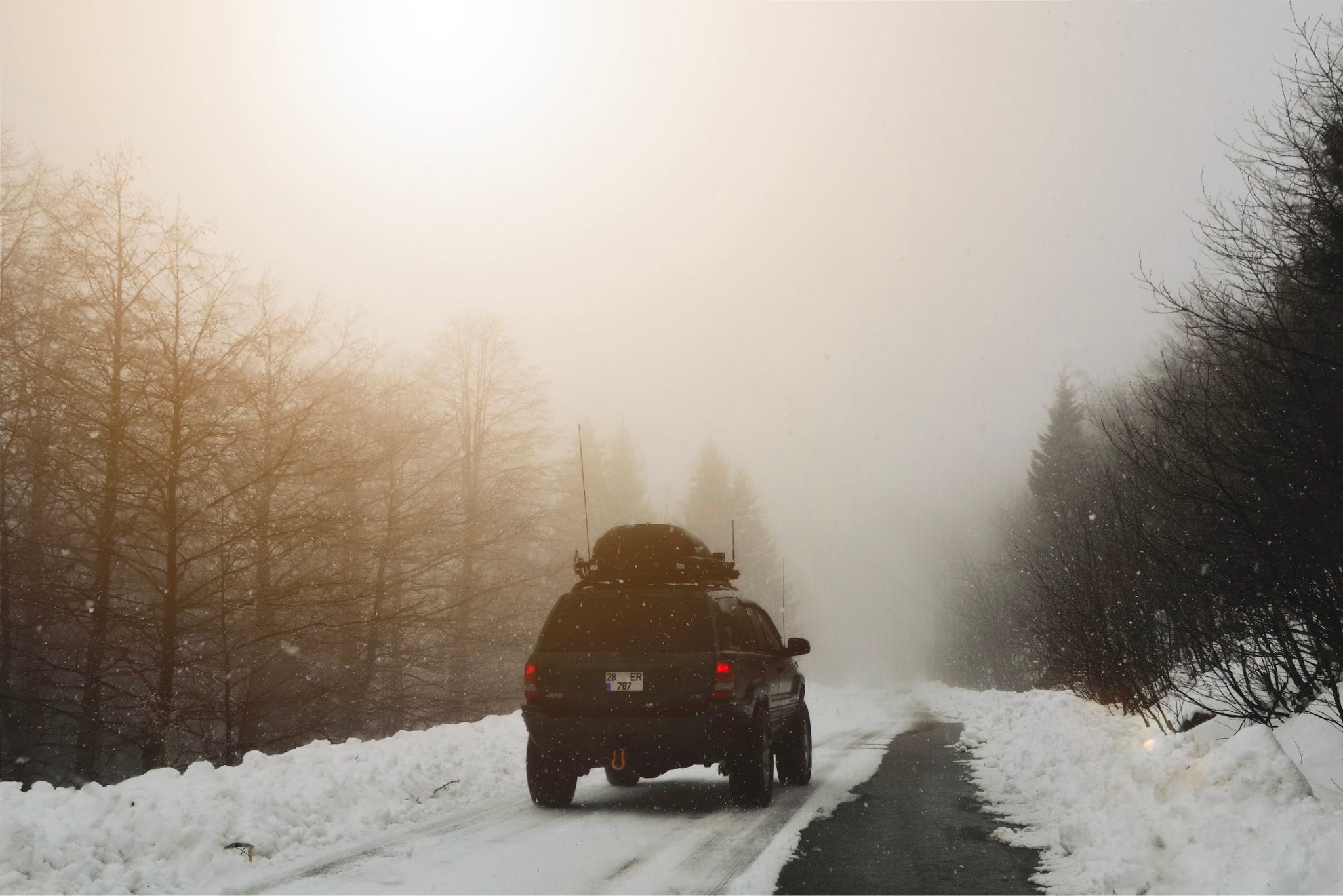
Brits are being urged to prepare for their Christmas drive home, with experts advising how motorists can travel safely this December.
Road safety experts at Road Angel have offered six tips for those driving home this Christmas to help them travel safely and keep their cars prepared for winter conditions.
Winter driving requires extra care and caution at all times because of potentially adverse conditions so it’s important to get vehicles ready for the cold and plan out a route home in advance.
Although it may ruin Christmas day plans, the Highway Code instructs motorists to stay safe and only drive in icy or snowy conditions if the journey is essential.
For those travelling in adverse conditions, it’s a good idea to check the weather forecast beforehand and pack an emergency breakdown kit just in case.
Gary Digva, founder of Road Angel said: “Christmas is a time when lots of us are making long car journeys to get back and see our loved ones yet the roads at this time of year can be treacherous.
“We want to make sure everyone gets to enjoy a safe and happy Christmas celebration and there are several things drivers can do before setting off to make sure their journey goes as smoothly as possible.
“Planning a route out in advance and travelling early on a Saturday morning will help you get home for Christmas as soon as possible. It’s also a good idea to keep an eye on the weather forecast and prepare an emergency breakdown kit, just in case.
“No one wants to break down at the best of times, never mind on Christmas Day – that’s why it’s important to prepare your car for the cold and drive safely with care and caution at all times – you’ll be sure to home for a wonderful Christmas time spent with loved ones.”
Driving home for Christmas – Road Angel’s winter car tips for motorists:
Plan route in advance
One of the most important things you can do before travelling in winter is to plan the route home in advance. Although drivers may think they know where they’re going, it’s always best to double check directions to avoid driving around unknown roads in the dark and harsh weather. It’s also a good idea to plan route alternatives in case the original is not accessible because of the harsh weather.
Try to avoid traffic
Remember that lots of other households will be driving home for Christmas, so it’s best to leave plenty of time in advance to avoid getting stuck in traffic and delays to Christmas parties and gatherings. If possible avoid travelling at rush-hour to steer away from the commuter traffic – the best time of the week to drive is early morning or evening on a Saturday.
Get the car ready for the cold
Get the car ready for the cold weather of winter by checking the vehicle over before making long distances when visiting loved ones this Christmas. Check the tyre pressure, heating and oil, as well as making sure that the car battery doesn’t stall by turning on the car before setting off, and most importantly, ensure that all the bulbs on the car are working fully.
Check the weather forecast
The weather has a massive impact on how motorists should drive over wintertime. Check the forecast before setting off to avoid driving in any adverse conditions – and be prepared to cancel or amend plans if the weather is too dangerous to drive in. The Highway Code says drivers should not travel in snowy and icy conditions unless the journey is essential, and before setting off drivers MUST be able to see. Clear all snow and ice from all of the windows and keep them demisted, ensure mirrors are clear, the number plate is visible and lights are fully functioning.
Pack an emergency breakdown kit
Breaking down in the winter can be very dangerous, because of the extreme weather and darkness. It’s a good idea to pack an emergency breakdown kit in the car just in case any accidents happen. Pack a foil blanket, spare clothes and shoes to keep warm. Food, water and a phone charger are also good essentials to pack. A torch, jump leads, shovel and de-icer are again good emergency breakdown kit ideas for winter.
Driving safely
There are also several driving tips motorists can follow to get back home safely for Christmas. The Highway Code recommends to avoid overtaking and keep further back from the car ahead as stopping distances can be up to 10 times longer in adverse conditions. When it’s icy on the roads drivers should use a high gear and slow speed, accelerating and braking gently and drive especially slow around bends when it’s much more likely to lose control of the car. Other tips include driving with care and caution at all times, and keeping updated on the latest travel and weather news.
The Christmas driving tips are just one of several road safety initiatives the team at Road Angel are currently working on.
Drivers currently paying £463 on average following a recent spike
Drivers in central Scotland have seen the biggest increase to their car insurance premium over the past 12 months. The current cost stands at £505, on average, following a £73 (17%) rise.
Drivers in the Scottish borders are currently paying the cheapest rates for their car insurance. Premiums are £391, on average, despite a 20% price increase in the past 12 months.
Although FCA changes to regulation have made pricing fairer to customers at renewal, further research highlights that this does not necessarily protect customers from price increases. More than 2 in 5 (41%) UK drivers who received a renewal quote in the past 3 months said that they saw an increase of £38, on average(1).
However, those who shopped around using a price comparison website were able to save £50 on their car insurance, on average.
With the current cost-of-living crisis affecting millions across the UK, Confused.com recently launched its money saving hub to support consumers and give advice on how to manage recent price hikes.
In light of the recent price increases, Louise O’Shea, CEO at Confused.com emphasises the importance of shopping around for the best deals and why drivers shouldn’t settle for auto-renewal.
That means motorists are seeing a £69 increase compared to this time last year. That’s according to the latest car insurance price index (Q3 2022) from Confused.com, powered by WTW. Based on 6 million quotes a quarter, it’s the most comprehensive car insurance price index in the UK.
However, some drivers in Scotland could be paying more than the national average, depending on the region in which they live. The latest data shows that drivers in central Scotland are currently paying the most for car insurance.
Their current premium is £505, following a £73 (17%) year-on-year increase. Despite facing an annual increase of £64 (20%), drivers living in the Scottish Borders pay the cheapest rates for their car insurance, with an average premium of £391.
Meanwhile, drivers in East and North East Scotland are paying £431, on average, for their car insurance. That’s as drivers faced a £69 (19%) increase in the past 12 months. And as for drivers in the Scottish Highlands and Islands, the current car insurance premium is £420, on average, following an increase of £61 (17%).
Region
Average Premium
YOY £
YOY %
Scottish Borders
£391
£64
20%
Central Scotland
£505
£73
17%
East & North East Scotland
£431
£69
19%
Scottish Highlands & Islands
£420
£61
17%
It’s a similar picture across the rest of the UK, where prices continue to rise. In fact, premiums have risen by £72 (14%) in the past 12 months alone.
The current UK premium stands at £586, on average, and is the highest annual increase in the past 5 years.
With the latest data revealing that premiums are on the rise, some drivers might think that they’re better off sticking with the same insurer when it comes to renewal. But further research conducted by Confused.com finds that some insurers don’t seem to be doing enough to protect their existing customers.
In a survey of 2,000 UK drivers, data reveals that more than 2 in 5 (41%) drivers who considered sticking with their current insurer received renewal quotes £38 more expensive than the previous year, on average(1). That’s despite the fact that more than a quarter (28%) of drivers who have renewed so far this year thought that their insurance quote would be cheaper this time around.
However, some motorists are taking action after receiving a more expensive renewal and are really seeing the benefits of switching. More than a quarter (27%) of drivers who chose to shop around using a price comparison site were able to save £50, on average. In fact, the Financial Conduct Authority (FCA) is actively advising consumers to shop around when it comes to buying insurance for this very reason.
Earlier this year, the FCA made important changes to stop ‘price walking’ and ensure all customers were treated fairly, but it seems some motorists remain complacent as a result. One in 5 (20%) drivers told Confused.com that they were less inclined to shop around because of these changes.
However, these new regulations don’t mean that better deals still can’t be found elsewhere and, as research shows, consumers are saving money by switching.
While the cost of car insurance premiums is on the up, there’s no ignoring the fact that the general cost of living is increasing, too. That’s why it’s more important than ever to shop around for the best deals. And as we head into the colder months, it’s clear that money will be tight for many.
With difficult months ahead, Confused.com has launched a money saving hub to help people understand where they can save money on bills to balance out price hikes. The hub focuses on a variety of insurance options, but also includes advice on how to be more fuel efficient and keep car costs down.
Its aim is to provide useful and digestible information that will help customers save money, without necessarily having to compromise and give up essentials.
Louise O’Shea, CEO at Confused.com, comments: “With costs currently rising all around us, I’m sure it comes as no surprise that the cost of car insurance is increasing, too.
“However, the pace at which it’s rising will be a real worry for many. The latest figures reveal a true example of how volatile the market currently is, which is why I need to stress just how important it is to shop around when it comes to renewing any insurance policy.
“As we head into winter, money is going to be tight. With concerns over the rising costs of energy, fuel and even food, millions of us will be looking for new ways to number-crunch and save money where we can. In recent months, the FCA have really amplified the importance of shopping around to help find some of the best deals out there during this time.
“Research shows that customer loyalty doesn’t always pay off, which is why it’s always encouraged to shop around and see what else is out there. If you switch insurers using Confused.com, there’s some fantastic rewards available that could help during a difficult time.
“A £20 voucher could pay towards a food shop in Lidl or even go towards an MOT or service in Halfords. And we even guarantee to beat your renewal(5). If we can’t, we’ll give you £20, plus the difference. Either way, you’re better off just by using a price comparison service.
“I cannot emphasise enough just how important it is to take time, do your research and compare insurance prices. You might be missing out on fantastic deals and it will really help in the long run.”
Heart Research UK campaign seeks to educate people on the risk of heart attacks over the winter period
Reports have found that the risk of heart attack rises approximately 15% over Christmas time. To highlight the dramatic effect the festive season can have on heart health, national heart charity Heart Research UK has created a special Christmas awareness campaign that aims to inform the public and raise vital funds that will benefit life-saving research.
Research from the UK and Sweden has shown that Christmas can put a huge strain on our hearts, with approximately a 15% increase in heart attack risk at Christmas time. Seasonal changes and the rise in contagious illnesses including influenza can contribute to a person’s increased risk of death from cardiovascular disease and it’s especially dangerous for the elderly and those with certain underlying health conditions.
Reports show that deaths due to cardiovascular disease and coronary heart disease increase during the winter months with heart attacks (myocardial infarction) being more prevalent.
In 2019/20 in the UK, there were 6,661 excess winter deaths due to cardiovascular disease which included 2,820 deaths due to coronary heart disease. In addition to this, research from Sweden found that the risk of heart attack increased by 15% during the Christmas and New Year period.
It is therefore easy to see why Santa Claus finds himself the subject of Heart Research UK’s latest campaign. With his stressful job, poor diet, irregular exercise and fondness for mince pies and sherry, Santa fits this profile of someone who needs to be aware of their heart health over the Christmas period.
Introducing ‘A Healthy Heart Christmas’– a new campaign from Heart Research UK designed to raise awareness of the risk of heart disease during the winter months.
The campaign highlights the increase in risk of heart attack over the winter months and highlights the dangers of a sedentary lifestyle, poor diet, excessive alcohol consumption and stress whilst providing a number of handy resources via their website to help everybody enjoy a heart healthy and stress-free Christmas.
To accompany the campaign, Heart Research UK has partnered with thortful, the UK’s largest online card marketplace, to create a set of hand-drawn, limited-edition Christmas cards showing traditional festive scenes. Proceeds from sales of the cards will go towards funding Heart Research UK’s lifesaving research.
“We are extremely grateful to all the thortful customers for their generous contributions. The donations from the Christmas card sales will help us raise much-needed funds for our pioneering medical research into the prevention, treatment and cure of heart disease. We are so thankful for their support. Together we can take on heart disease.” says Kate Bratt-Farrar, Chief Executive at Heart Research UK.
Finally, as part of a radio spot promoting the campaign, BAFTA-winning actor and Line of Duty star Mark Bonnar has lent his distinctive voice to a special retelling of the iconic Christmas poem ‘A Visit from St Nicholas’, leading with the famous ‘Twas the night before Christmas’ verse before encouraging people to visit Heart Research UK’s website and donate.
Anyone who wants to donate towards their life-saving research or learn more, can visit the Heart Research UK website (https://heartresearch.org.uk/), where they can access a range of useful tips and guidance on how to take care of their heart and make little changes to their lifestyle and diet over the holidays.
The UK Health Security Agency (UKHSA) is urging all those eligible to take up their flu vaccine by 10 December to ensure protection in time for Christmas.
The vaccine takes 14 days before it provides maximum protection, so people should get it before 10 December to help keep themselves and vulnerable relatives safe throughout the festive season.
Flu is a highly infectious disease and can lead to serious complications for those living with a long-term health condition, including respiratory and heart conditions, diabetes, kidney disease, liver disease or a chronic neurological disease like multiple sclerosis or cerebral palsy. People with underlying health conditions overall are 11 times more likely to die if they catch flu compared to healthy adults.
Pregnant women are also at increased risk of serious complications and should have the flu vaccine to help protect themselves and their babies.
While many people aged 65 and over have already come forward for their flu vaccination, exceeding the WHO target of 75%, less than half of those with underlying health conditions have taken up the offer. Uptake in pregnant women also lags behind other groups, with just 34.4% vaccinated so far this season.
While levels of flu infection are still low, typically levels ramp up over December, with a peak in January. We are calling on people to take up the flu vaccine, along with practicing good hygiene, ventilating rooms, and staying at home if unwell.
Health and Social Care Secretary, Sajid Javid said: “Getting your winter vaccines – whether that is your flu jab if eligible or your booster jab – is one of the most important things people can do for yourself an your family this winter.
“Record numbers of people took up the offer of a free flu vaccine last year and the programme is expanding even further this year, with a record 35 million people in England eligible.
“Don’t delay – book your flu vaccine as soon as possible.”
Dr Conall Watson, Consultant Epidemiologist at UKHSA, said: “The threat of flu has not gone away – it can cause serious illness and be fatal.
“Flu vaccination saves lives. If you are eligible, you don’t have to wait to be called up – book your flu vaccine as soon as possible to help protect yourself and family this Christmas.”
Almost 20 million COVID-19 booster vaccines and third doses have been administered in the UK.
Combining flavours of the wild with some of our seasonal favourites, Scottish alchemists, Buck & Birch, have launched an innovative and indulgent spirit just in time for Christmas. A wild sipping rum, Rum & Cake, will warm the cockles and tease the tastebuds, as it quickly becomes your go-to drink for the cold winter nights.
The finest dark rum is infused with the incredible Buck & Birch Hogseed Parkin, then cold-filtered to ensure a sumptuous sipping sensation, laced with molasses and Scottish spice. And what is hogseed we hear you say? A lesser known but fantastic spice that grows abundantly in Scotland and enlivens this rum with the heady scent of orange peel and warming spice on the palate.
Offering a fresh, but heady scent of orange peel with a spicier kick on the palate, the Hogseed Parkin adds a snappy taste note to make this luxurious liquor unmistakeable.
Big, bold and well-rounded, Rum & Cake is rich, buttery and full bodied in your mouth. With notes of warming ginger and clove, orange zest and a touch of caramelised fennel, this is a spirit to sip
Creative Director and co-founder, Tom Chisholm on the creation of this new taste sensation: “Rum in cake works a treat, but cake in rum – even better! No tricks or fancy science. We don’t rely on over complicated techniques or any other chemical wizardry to capture this unforgettable flavour. Instead, we rely on good old-fashioned methods of infusion and patience.
“Newly baked parkin is added to rum and left to macerate, slowly imparting all of those beautiful flavours into the liquid. The finished spirit is then cold filtered for clarity whilst the all-important flavonoids are kept intact. Basically, it’s what Santa will want you to leave out for him with the mince pies this year.”
Decadently seasonal when served with ginger ale or apple juice, it is just as much at home neat and over ice with a twist of orange. Salivating yet?
Rum & Cake – go on, name a better duo …we’ll wait!
RRP: £32.99. 700ML. 39.6% ABV.
To view a full selection of drinks and gifts available or to book a distillery tour in The Tasting Room, visit www.buckandbirch.com
A leading insurance comparison firm is revealing the top winter driving hacks that could help motorists avoid higher premiums and retain those all-important No Claims Bonuses.
Quotezone.co.uk says many motorists overlook the winter conditions and can make unnecessary mistakes that will hit them hard in the pocket.
The firm, one of the UK’s leading car insurance comparison websites, says even minor adjustments in behaviour could save hundreds of pounds. Here they lay out some of the pitfalls motorists can find themselves in this winter:
Defrosting – It is tempting to leave the engine running while the windscreen unfreezes, and the car warms up. However, if an opportunistic thief takes the vehicle, many insurance companies will not cover the loss.
Leaving engines running is also an offence under section 42 of the Road Traffic Act 1988. Doing this is known as ‘idling’,and is bad for the environment as it increases the amount of dangerous gases emitted into the air from the car’s exhaust.
Don’t use boiling water on windscreens – Glass can crack when it experiences a sudden change in temperature, and windscreen damage isn’t always covered by a standard car insurance policy.
Simply using a frost guard, a defogger or even homemade de-icer – lukewarm water mixed with rubbing alcohol.
Clear your windscreen before you set-off – Windscreens with inhibited views can land owners with a £1,000 fine and three points on a driving licence. So any leaves, snow, ice, mud or even condensation, needs to be fully cleared before setting out.
Check tyres – Motorists can be fined an eye-watering £2,500 for each faulty tyre and receive three points on their driving licence. If the police see another tyre falling short, it doubles to £5,000 and six points. Four faulty tyres could even see the maximum 12 points – resulting in the loss of a driving licence.
Commercial vehicle drivers, where the car or van is owned by their employer – could land firms with penalties of up to £20,000.
Numberplate – Excess mud and grit on the roads this time of year can make your car dirty very quickly, and if the numberplate isn’t clearly visible, drivers could face a fine of £1,000.
Floods – Some car insurance policies include clauses advising policyholders not to drive through flooded roads, and may specifically exclude cover for any water damage to the car if the motorist goes against this advice.
Avoid puddles – Soaking pedestrians by deliberately driving through large puddles can results in a £100 fine and three penalty points.
Greg Wilson, Founder of car insurance comparison site Quotezone.co.uk said: “As winter approaches, it’s not just the fines that motorists should worry about, points on a driving licence are noted by insurers as a sign of how safe a driver is and what the risk of a claim might be when calculating premiums.
“Three points on a licence can add 5% to premiums every year until the points are spent after four years. Six points pushes premiums up by as much as 25%, and let’s not forget No Claims Bonuses and what they might be worth if they’ve been built up over time and now have to be accrued again from scratch.
“Careful, considerate and patient drivers who plan for the winter weather and adjust their behaviour to meet the conditions give themselves the best chance of avoiding points and keeping their premiums low.”
Five ways to prepare your pets for below zero temperatures
With icy weather warnings predicted to sweep across the UK this weekend, a national vet charity is urging pet owners to take extra precautions to protect furry friends from the cold.
PDSA Vet Lynne James said: “Winter can be a dangerous time for all animals, but fine coated, poorly, young or elderly pets are at higher risk of hypothermia in freezing temperatures. Thankfully, there are simple steps we can all take to keep our precious furry family members safe, warm and healthy as the mercury drops.
Extra layers
“Use a well-fitting, fully lined, non-restrictive waterproof coat to help keep your pooch warm and dry when on walks if they are very young, old or have thin fur. Try to avoid walking your furry family member in freezing cold weather if they are poorly – instead, encourage them to go to the toilet in the garden, then bring them straight back into the warmth.
Slippery surfaces
“Ice and snow can be painful for large and small pets alike if it gets stuck between their paws, so try to keep hair in between their pads trimmed and check their paws when they come back inside. Using a paw butter can help prevent sore cracked pads.
Shelter for small pets
“When the temperature hits below zero, move outdoor rabbits and guinea pigs to a warm and sheltered area, such as a shed or car-free garage, making sure they’re protected from drafts and exhaust fumes. They should still have access to natural light, plenty of room and be given regular access to an outside run so that they can exercise when the temperatures are slightly milder.
Curfew for cats
“Your puss may want to stay indoors more when it gets cold – give them toys to play with to keep them occupied and a litter tray so they don’t have to brave the elements if they don’t want to. If they still prefer to go outside, make sure they can easily get back inside or have access to a warm, sheltered area when the temperature plummets.
Snuggle up
“All furry friends should have extra bedding over winter, and small pets will love piles of extra hay to snuggle up to. Your puss will really appreciate a few extra comfy spaces to curl up in around the house, too – igloo beds are ideal, as they help furry friends get really cosy. You can even place a safely wrapped, animal-safe heat pad under their bedding for extra warmth.”
Vet charity PDSA provides free and low-cost vet care for those who struggle to pay treatment costs for their sick and injured pets. For many vulnerable pets, PDSA is there to help when there is nowhere else for their owners to turn.
Since the first UK lockdown began, PDSA’s dedicated vet teams carried out more than one million phone consultations.
With 388,000 pets treated in 2020, by keeping their 48 Pet Hospitals open, PDSA can support the thousands of pets that need help across the UK every day.
Every pet deserves a fighting chance. Please donate today and help save pets’ lives – www.pdsa.org.uk/pdsa-chance.