The Scottish Government’s failure to include a Learning Disabilities, Autism and Neurodivergence (LDAN) Bill in its Programme for Government is hugely disappointing.
A recent Scottish Parliament committee report highlighted the stark reality facing families, with children and adults frequently waiting years for ADHD and autism assessments. It called for urgent action to ensure clear and consistent pathways to support across Scotland.
Yet the Government has failed to introduce the legislation that could help deliver this. An LDAN Bill could tackle inequalities through national and local strategies and mandatory training for health, social care and education staff.
After years of discussion and consultation, warm words are no longer enough. Thousands of children, adults and families need action.
Service improvements are welcome, but without clear targets and timescales there is no guarantee they will deliver the lasting change that children, adults and families desperately need.
The Government itself acknowledges that legislation can drive accountability and change. It should therefore set clear, measurable timescales for improvement – and commit to introducing an LDAN Bill if these are not met.
What can you do in one visit to our Harvest Festival? Quite a lot, as it turns out!
Press apples – see our fresh apples turned into juice
Get your bike checked with Dr Bike, or have a go at making a bike-powered smoothie
Get your face painted or some gorgeous henna art
Pick up something delicious from the bake sale and have a go at the tombola
Take home something new for your garden from our plant sale
Listen to the drumming or join in and make some noise
Enjoy a free lunch from the Scran Van
And that’s just some of what’s happening!
Come along to our Harvest Festival on Saturday 5th September, 11am–2pm and spend as little or as long as you like enjoying the garden, activities, food and community.
New support for families to be phased in from next year
Parents and carers will benefit from a new childcare offer aimed at bringing down the cost of living, tackling child poverty and boosting family incomes, First Minister John Swinney has said.
As part of the newly-published Programme for Government, the Scottish Government is transforming its childcare offer to ensure greater childcare support is available to families with children from nine months old through to the end of primary school.
Consultation on the new approach will take place next year, with delivery phased in over time. This will begin with a £44 million annual investment in breakfast clubs in primary schools across Scotland from August 2027, followed by the introduction of after-school and holiday childcare for primary school children from August 2029.
The First Minister also announced the first recipients of the new £15 million Childcare Support Fund, which is expected to help those organisations support an estimated 4,800 low-income families with the cost of childcare at times when they most need it.
Speaking ahead of a visit with Education Secretary Màiri McAllan to Fintry Mains Childcare and Community Hub in Dundee, one of the organisations benefiting from the funding, the First Minister said:“High-quality childcare plays an important role in helping children thrive, easing cost of living pressures and creating opportunities for parents and carers to work, train and study.
“Too many families still face barriers to accessing the childcare they need. By transforming the support available to families from nine months through to the end of primary school we will help more parents and carers into employment, boost household incomes and give children the best possible start in life.
“Alongside our long-term plans to transform childcare, the £15 million Childcare Support Fund announced today will provide practical support to families who need it most.
“This forms part of our wider Programme for Government, which is focused on making tangible improvements to people’s lives by creating jobs, raising living standards and growing Scotland’s economy to help eradicate child poverty.”
Susan McGhee, Chief Executive of Flexible Childcare Services Scotland which runs Fintry Mains Childcare, said: “Receiving a grant from the Scottish Government’s Childcare Support Fund will allow us to support even more families across Scotland.
“We already deliver flexible childcare to over 1,000 parents a year and, according to our research, those families are more than £2 million better off thanks to our book-by-the-hour model.
“We look forward to working alongside Midlothian Sure Start and Renfrewshire Out of School Network to ensure families can access affordable, flexible all-age childcare within their communities.”
Chloe Sinclair, whose three-year-old daughter Lola attends Fintry Mains Childcare, said: “I heard good things about Flexible Childcare Services Scotland from other parents.
“The flexibility has really helped me and my partner as we work shifts and need to know our three-year-old daughter Lola is cared for. Being able to book what we need is ideal for our jobs and it doesn’t cost an arm and a leg.”
First recipients of the Childcare Support Fund
Grant Value
Glasgow Council for the Voluntary Sector – Provides intensive, referral-based childcare support across Glasgow, helping priority families overcome childcare barriers so they can enter, sustain or progress in work, study and training.
£1,000,000
Flexible Childcare Services Scotland SCIO – Delivers flexible childcare across six local authority areas, supporting families in insecure or low-paid work to take up opportunities, increase hours and reduce employment barriers caused by childcare costs.
£878,367
Early Years Scotland – Acts as a national childcare broker, connecting low-income families to childcare that fills specific gaps in provision, including bridging periods, additional hours and support for children not covered by existing entitlements.
£1,000,000
The Scottish Centre for Children with Motor Impairments – known as Craighalbert – Provides specialist childcare for children with complex disabilities and additional support needs, enabling parents to work or study at points of transition while children receive tailored care and developmental support.
£615,326
Scottish Childminding Association – Funds flexible childminding placements with registered childminders, giving families personalised childcare and informal support that enables parents to seek work, remain employed or access training.
£302,948
The Indigo Childcare Group – Offers free childcare places, including a mobile crèche for parents attending employability programmes, with additional support for families experiencing crisis situations or caring for children with additional needs.
£412,045
Scottish Out Of School Care Network – Provides short-term financial support for school-age childcare, protecting families from losing childcare during periods of financial hardship and helping parents stay in work, study or training.
£1,000,000
Family and Community Development West Lothian – Combines flexible after-school and holiday childcare with support to help parents access employment and education.
£421,310
Inspiring Scotland – Provides rapid-response childcare funding through community networks, helping families manage emergencies, attend interviews and sustain income while longer-term childcare arrangements are put in place.
£300,064
Perceptive Action C.I.C – Offers breakfast, after-school and holiday childcare across the Borders and Midlothian, supporting families through key transition periods while helping them access longer-term childcare and financial support.
£263,070
The Lennox Partnership – Removes childcare costs as a barrier to employability programmes, enabling parents to participate in structured pathways into work, skills development and learning opportunities.
£947,250
Third Sector Hebrides – Improves access to childcare across the Western Isles by coordinating support through local childcare providers, helping families access provision that is often difficult to secure in island communities.
£277,500
St Roch’s Childcare Services – Provides flexible childcare alongside one-to-one family support, helping parents access employment, education and wider services while building confidence and family wellbeing.
£286,405
Care and Learning Alliance – Supports families in rural Highland and Island communities by helping them find and access childcare, while addressing additional challenges such as transport costs, limited provision and rural poverty.
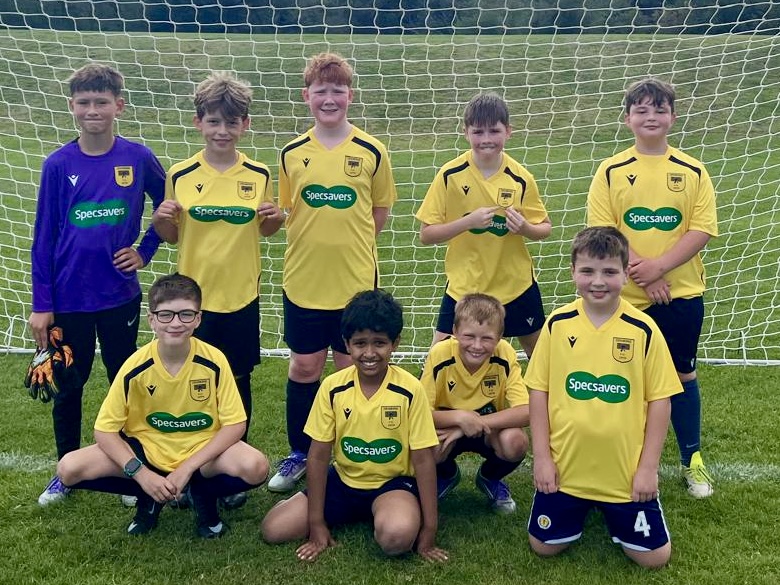
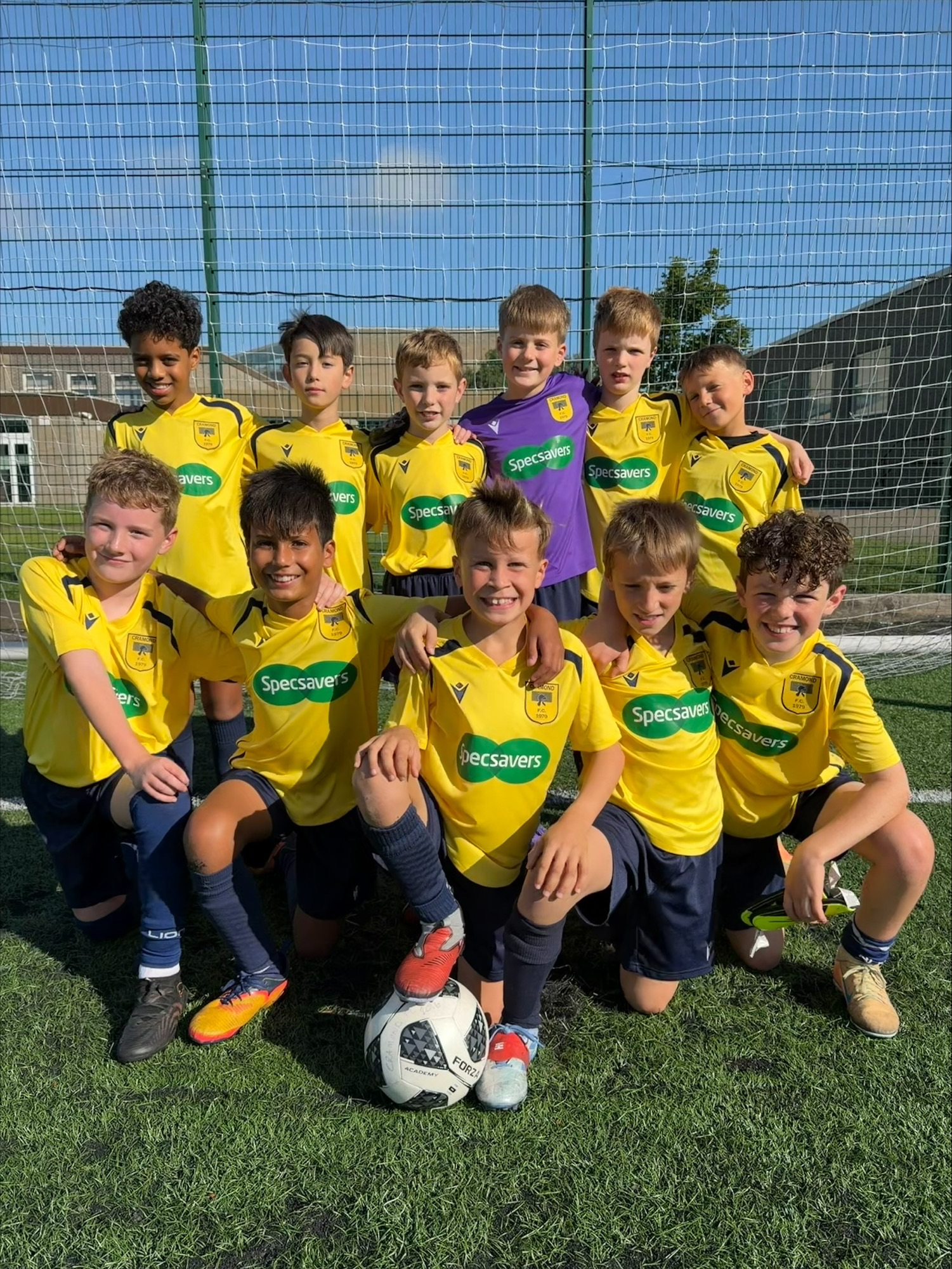
SPECSAVERS Glenrothes has helped a youth football team kick off the new season in style after sponsoring a new set of home shirts for the squad.
The locally owned and run Glenrothes store donated £1,000 to Cramond FC, with the sponsorship covering the cost of new home kits for the team’s 36 young players.
The team are now sporting their new shirts as they prepare for the season ahead, with the sponsorship helping ensure the whole squad is equipped with matching kit.
Cramond FC is a long-established community football club which provides opportunities for children and young people to take part in the sport in a positive and supportive environment.
David Platt, store director at Specsavers Glenrothes, says: ‘We’re delighted to be able to support Cramond FC and provide the team with their new home shirts.
‘Grassroots sport plays such an important role in helping young people build confidence, stay active and develop friendships, and we’re really pleased to know our sponsorship has helped all 36 boys start the season with a new kit.
‘Supporting local communities is something that’s important to us at Specsavers, and it’s fantastic to see the players wearing their new shirts and representing their club with pride.’
The sponsorship is part of Specsavers Glenrothes’ commitment to supporting community initiatives and helping young people access opportunities through sport.
To book an appointment at Specsavers Glenrothes for optical or audiology needs, speak to a member of the team on 01592 611044or visit:
Local authorities will share £15 million to expand and enhance breakfast club provision from today, First Minister John Swinney has announced.
The funding will help councils deliver free breakfast clubs for primary school pupils across Scotland from August 2027, giving children a healthy start to the school day and helping reduce costs for families.
The announcement follows the opening of new breakfast clubs in East Lothian, at East Linton and in Letham Mains, during the Government’s first 100 days in office, delivering on a commitment to expand access.
Ahead of a visit to a breakfast club in East Lothian the First Minister said: “No child should start the school day hungry.
“I have seen first-hand the real impact and benefits that the breakfast clubs provide to pupils, parents and teachers. They give children a healthy start to the day, helping to ensure they are ready to engage and learn in class.
“For parents and carers, breakfast clubs allow for an early drop off at school while easing the pressure on family budgets at a time when rising bills and living costs continue to bite.
“The Scottish Government is continuing to do all it can to eradicate child poverty and put more money in people’s pockets. Alongside measures such as free school meals, these free breakfast clubs will help ensure more children are supported to succeed at school, regardless of their background.”
COSLA Spokesperson for Children and Young People, Councillor Tony Buchanan, said: “Local authorities deliver a wide range of services for children and families and are best placed to understand and respond to the needs of their communities.
“This agreement provides an opportunity for local authorities to expand and enhance breakfast provision in a way which meets local need. I look forward to continuing to work together to support our children, young people, and families across Scotland.”
Further measures to eradicate child poverty will be set out by the First Minister in his Programme for Government tomorrow (Tuesday).
Children and young people aged three to 26 will be able to take part in a range of free and low-cost activities thanks to funding from the Summer of Sport initiative in partnership with sportscotland.
Inspired by the 2026 FIFA World Cup and the Glasgow 2026 Commonwealth Games, the programme aims to encourage more children and young people to get active, try new sports and enjoy the physical, social, and mental wellbeing benefits of participation.
Delivered by the Council, Edinburgh Leisure, the University of Edinburgh, local sports clubs and community organisations, the funding supports free and subsidised holiday and regular activities that began during the summer holidays and are taking place until the end of March 2027.
This includes swimming, tennis, football, rugby and opportunities for children and young people with additional support needs. It will also expand community sport programmes, provide more opportunities in areas experiencing higher levels of poverty, and support young people who are care experienced, unaccompanied, or learning English.
Investment will also help develop the city’s sport and physical activity workforce through new coaching opportunities, qualifications, and training. The investment includes a £170,000 grant for local sports clubs and community organisations to deliver activities for young people at greater risk of poverty.
Cllr Margaret Graham, Culture and Communities Convener, said: “This is a great opportunity for children and young people to get active, try something new like lawn bowling or cricket and enjoy the benefits of taking part in sport.
“Through the Summer of Sport programme, we’re working with partners across Edinburgh to provide more free and affordable opportunities that are inclusive, accessible, and shaped around the needs of local communities.
“This investment will help more young people take part in sport, while also strengthening local partnerships, developing skills and creating a lasting legacy beyond the summer.”
Cllr James Dalgleish, Education, Children and Families Convener, said: “Every young person deserves the opportunity to be active, build confidence and develop new skills, and cost shouldn’t be a barrier to that.
“By working with schools, community organisations, and sports clubs across Edinburgh, we’re creating more opportunities for children and young people to stay active, make new friends and discover sports they can continue to enjoy for years to come.”
Perrotine Orr, Operations Director of Edinburgh Leisure, said: “This investment is helping us create more opportunities for children and young people across Edinburgh to take part in sport and physical activity, regardless of their background or circumstances.
“We have already seen strong engagement throughout the summer, and the real opportunity now is to build on that momentum over the coming months.
“By continuing to provide free and affordable activities until March 2027, we can help more young people develop confidence, make connections, improve their wellbeing and establish healthy habits that last a lifetime.”
Collective Gala is a free family-friendly day of celebration with creative activities for all ages. Explore newly commissioned artworks and performance by Scottish artists, join behind-the-scenes tours, shop with local makers, and enjoy creative play sessions for children.
The day will culminate in a celebratory procession inspired by Gala traditions. Saturday, 5th of September, from 11 am to 4.30 pm. FREE ENTRY!
We’re looking forward to welcoming you all to Drylaw Neighbourhood Centre on Saturday 5th September, 11am–2pm for an afternoon of food, activities and things to see and do.
There’ll be plenty happening throughout the day, including:
Apple picking and apple pressing
Garden activities with Trudi and our volunteers
Garden plant sale
Tummies Not Trash stall and a free lunch from the Scran Van
Dr Bike activities
NGS Cargo Bike art activities
Craft stall, henna artist, face painting and temporary tattoos
Tombola and bake sale
Drumming with Moving Music
Football activities with Spartans
Bouncy castle
Musical statues with Bev
…and more!
The event is free to attend, so bring along family, friends and neighbours and spend some time in the garden with us!


 Press apples – see our fresh apples turned into juice
 Get your bike checked with Dr Bike, or have a go at making a bike-powered smoothie
 Get your face painted or some gorgeous henna art
 Pick up something delicious from the bake sale and have a go at the tombola
 Take home something new for your garden from our plant sale
 Listen to the drumming or join in and make some noise
 Enjoy a free lunch from the Scran Van



 We’re delighted to let you know that our popular Chat and Chill sessions are returning.
 10 days to go until our Harvest Festival!
 Garden plant sale
 Craft stall, henna artist, face painting and temporary tattoos
 Tombola and bake sale
 Football activities with Spartans
 Bouncy castle
 Musical statues with Bev
 Saturday 5th September
 11am–2pm
 Drylaw Neighbourhood Centre