Big Hearts is leading a national partnership with four other well-established football charities in Scotland to tackle child poverty, through a £850,000 Whole Family partnership funding.
This partnership will establish five Centre Circle Whole Family Hubs across Edinburgh, Falkirk, Aberdeen, Inverclyde and East Ayrshire to support families experiencing financial hardship.
Centre Circle is an innovative model designed to help families access inclusive and preventative support at their local football ground: a place they already know and trust.
The partnership aims to support 500 families in its first year, through relationship-based, whole-family support that helps struggling households improve financial stability, wellbeing and resilience.
Big Hearts Community Trust, the charity of Heart of Midlothian FC, will lead on the Centre Circle partnership with four strategic delivery partners: Falkirk Football Community Foundation, Aberdeen FC Community Trust, Morton in the Community and The Killie Community.
Football sits at the heart of communities across Scotland, creating a welcoming and relaxed environment where people can connect and access support without judgement. Centre Circle will open a new chapter by combining local knowledge with a shared delivery framework and common outcomes across five regions.
Centre Circle is funded by the Whole Family Support Third Sector Delivery Fund. As part of its latest Tackling Child Poverty Delivery Plan, the Scottish Government announced that our leading partner Big Hearts was one of 10 organisations selected through the £20 million Whole Family Support Third Sector Delivery Fund.

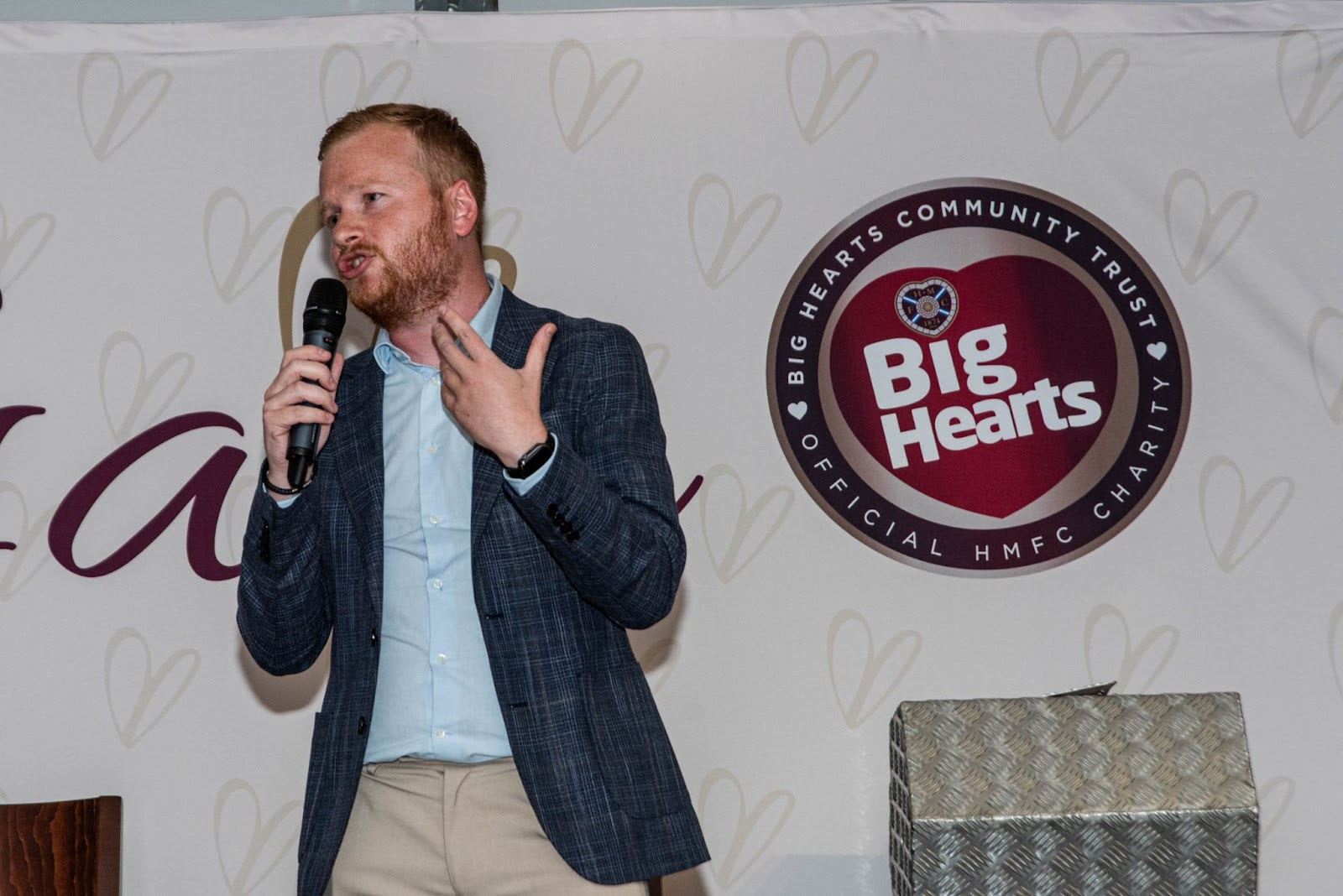
Craig Wilson, CEO of Big Hearts said: “Centre Circle is a new approach to deliver whole family support across local communities in Scotland through the driving force of the beautiful game.
“The £850,000 funding announced by the Scottish Government, with only 10 organisations supported for 2026/27, is a testament to the incredible work that has been delivered so far by Big Hearts and our key partners: Falkirk Football Community Foundation, Aberdeen FC Community Trust, Morton in the Community and The Killie Community.
“Football charities play a vital role in engaging with isolated and hard to reach families. Together, we believe Centre Circle can create transformative change with more resilient, connected and supported families.”