Edinburgh community combine getting fit and supporting local organisations with practical volunteering
Sessions will be free and inclusive of all fitness levels
Funded by Places for People
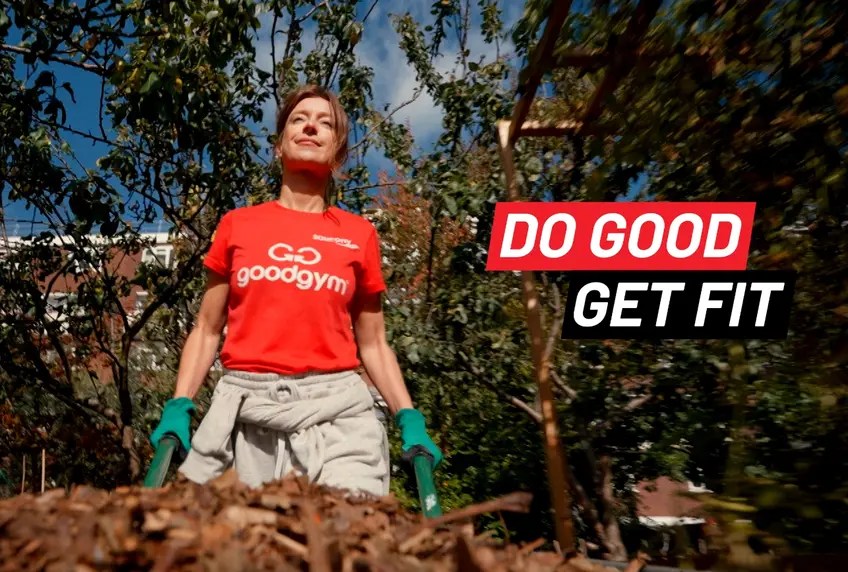
The new group will combine exercise with practical volunteering.
GoodGym Edinburgh, the first GoodGym group in Scotland, will run weekly sessions to support local charities and organisations such as food banks, schools, community gardens and youth centres.
Residents will run, walk and cycle to sessions, combining exercise and volunteering to benefit themselves and Edinburgh as a whole. As a result, Edinburgh GoodGymers will be improving their local area and their own mental and physical wellbeing.
The London School of Economics found participation in GoodGym sessions led to “extraordinary” increases in life satisfaction, connectedness and belonging.
For the launch, GoodGym will be supporting the Leith Links Community Croft on 11th August with gardening tasks, whilst learning about gardening, food growing, and the concept of an urban community croft.
Each GoodGym session will be providing much needed volunteer support to Edinburgh’s community groups and charities.
Edinburgh GoodGymers will also run, walk and cycle to visit isolated older people, helping with practical tasks they aren’t able to do on their own such as gardening and moving furniture. These visits create crucial social interaction that the GoodGymer and isolated older person wouldn’t ordinarily have.
Kelly Brown, Director, Places for People Scotland, said: “We’re proud to support GoodGym Edinburgh, helping people to improve their health while making a positive difference in their local community.
“This initiative will build connections, reduce isolation and provide valuable support to local organisations.”
Dave Entwistle, GoodGym Edinburgh Area Activator (group leader) said: “Volunteering has played a huge role throughout my life, it has created some of my most meaningful friendships, experiences, opened a lot of doors and helped me feel connected to the communities I have lived in.
“I am looking forward to being a part of creating those same opportunities for others in Edinburgh by connecting people with amazing projects around the city and building our own GoodGym Edinburgh community.”
Researchers at Queen Margaret University (QMU), Edinburgh have found that Frame Running, an adapted form of physical activity, could offer a safe new way for people with advanced Multiple Sclerosis (MS) to take part in sport and exercise. The results of the study, suggests that Frame Running can help people with walking difficulties stay active in a way that feels both enjoyable and achievable, and which could benefit their health and wellbeing.
Frame Running involves exercise with a purpose-built trike which consists of three wheels and has a saddle and handlebars. The frame is propelled by the athlete’s feet and steered by hands or arms.
Its design offers stability and support while walking or running, which may suit many people with mobility and balance issues, including people living with MS. Frame Running has recently been included as a Para-athletic event in the 2028 Paralympic games in Los Angeles and is increasing in popularity in the UK and worldwide, with local clubs springing up across Scotland in places such as East Lothian, Edinburgh, Dunfermline, Glasgow, Ayrshire, Perthshire and Aberdeen.
The study, funded by the UK MS Society, builds on work by QMU’s Professor Marietta van der Linden, which has explored the potential of Frame Running to support mobility, cardiovascular health and personal confidence in young people with cerebral palsy.
The latest study, now extends that understanding to people living with MS.
The 12-week research project, which brought participants together for weekly sessions at a local athletics track, offers an encouraging picture. It reveals new possibilities for a group that often encounters significant barriers to physical activity.
Professor Marietta van der Linden, a Human Movement scientist at QMU, said: “People with MS, who experience difficulties walking, often have very few ways to exercise safely outdoors at an intensity that genuinely benefits their health. Frame Running may provide people with these positive health effects, while also offering a sense of speed, freedom and confidence that many thought they had lost.”
The study, which involved 10 participants, showed that Frame Running enabled most people to reach heart rate levels typically associated with moderate to vigorous exercise. Participants showed strong commitment, attending almost every session, and importantly, no serious safety issues were reported.
Most participants enjoyed the experience so much that they continued attending Frame Running sessions offered by the local athletics club long after the study finished, highlighting its appeal and real-world potential.
Dr Gary McEwan, Research Fellow at QMU and lead author, added: “Seeing participants reach meaningful exercise intensities was incredibly encouraging.
“These levels of activity are linked to improved fitness, better symptom management and enhanced quality of life – yet they’re rarely accessible to people living with significant disability.”
CASE STUDY
Helen Isserlis, a former nurse from East Lothian, developed MS almost 30 years ago. With significantly declining mobility, she certainly didn’t expect to be running around a track at 59 years of age.
But she recently stumbled upon Frame Running and its enabled her to take part in intensive exercise for the first time in decades. Her participation in the adapted sport has not only restored her movement, it’s offered a sense of freedom and possibility that she’d thought she’d lost.
“I can’t hop, skip, jump, and I certainly can’t run. But Frame Running has changed my whole mindset. Instead of focusing on what I can’t do, I look forward to what I can do.”
Helen trains once or twice a week with Team East Lothian at Meadowmill stadium in Prestonpans.
She said: “It gets your heart rate up, your blood pumping and your legs moving. Afterwards, my hips and legs feel far looser, and my pain is reduced. I can now do intensive bursts of exercise, which would have been impossible before, and I’m working up to a 5k in one go.
“Frame Running has transformed what is physically possible for me. It’s restored my independence, confidence and joy. It’s made me feel alive again.”
While the study was small and exploratory, the findings mark an important next step in a research journey that has already shown Frame Running to be beneficial for other disability groups.
Caitlin Astbury, Senior Research Communications Manager at the MS Society, said: “Research shows being physically active can improve mobility, muscle strength and mood, and help manage MS symptoms like balance problems and fatigue. But we also know it can be difficult for people with advanced MS to find an exercise routine that works for them.
“This research from QMU provides early but promising evidence that Frame Running could be a safe and enjoyable way for people with mobility difficulties to take part in moderate to intense exercise.
“There are more than 17,000 people living with MS in Scotland, and over 150,000 people in the UK. The condition affects nerves in the brain and spinal cord and impacts how people move, think, and feel. Studies like this help to identify and raise awareness of different types of exercise that people with MS may benefit from. We hope to see more research in this area in the future.”
Dr McEwan concluded: “This study adds to a growing body of evidence showing that Frame Running can transform what is possible for people with mobility impairments.
We would therefore encourage more people with MS and other mobility issues to try Frame Running. We’d also love to see further development of Frame Running groups in the community such as within athletics clubs across Scotland and beyond, so that more people with MS have easy access to the sport, equipment and the joy and camaraderie often associated with being part of a sports club.”
To find out more about the research view the research paper.
As the world welcomes in 2025 and the “New Year, New You” mantra resonates, Edinburgh Leisure is offering an exciting opportunity for fitness enthusiasts and newcomers alike.
With a £0 Joining Fee promotion throughout January 2025, there’s never been a better time to embark on your wellness journey.
Exclusive Membership Promotion: Zero Barriers to Fitness
Designed to make fitness accessible to everyone, regardless of age or fitness level, Edinburgh Leisure, the city’s largest provider of sports and leisure facilities, is breaking down financial barriers with its £0 Joining Fee offer.
Comprehensive Fitness Options
Members gain unlimited access to an impressive range of facilities:
12 pools
17 gyms across the city
New Evolve Hybrid gym at Meadowbank
Lead and speed climbing facilities
Six golf courses
Over 750 weekly fitness classes
The no Joining Fee membership is available to new members from January 1st to 31st, 2025.
Fitness for Every Journey
Whether you’re a complete beginner or a seasoned athlete, Edinburgh Leisure offers tailored fitness solutions.
Cutting-Edge Fitness Trends
Edinburgh Leisure has revolutionised the fitness landscape with the launch of Evolve Meadowbank, an official Hyrox Affiliate Training Club.
As the first leisure trust affiliated with Hyrox, they offer classes for both Hyrox newcomers and experienced participants. With a Hyrox competition in Glasgow in March 2025, their specialised membership is perfect for those looking to get competition-ready.
At the Edinburgh International Climbing Arena (EICA: Ratho), a significant £100,000 investment from sportscotland’s Sport Facilities Fund and National Lottery Players has transformed climbing opportunities.
The centre has unveiled a state-of-the-art competition bouldering wall, designed by the Serious Climbing team at Rockcity in partnership with Dreamwall.
This remarkable facility makes EICA: Ratho the only climbing centre in the UK with Olympic and International standard facilities across all three climbing disciplines: lead climbing, speed climbing, and bouldering.
This investment demonstrates Edinburgh Leisure’s commitment to providing world-class sporting infrastructure. Climbing enthusiasts and aspiring athletes can now access cutting-edge facilities that support progression at every skill level, from beginners to competitive climbers.
Group Fitness Renaissance
Post-pandemic, group exercise is experiencing a revival. Edinburgh Leisure provides a diverse range of classes:
Cardio
Dance
Strength training
Mind and body classes (Yoga and Pilates)
Inclusive Fitness for All Ages
Recognising the importance of fitness across all life stages, Edinburgh Leisure offers:
“Get up and Go” gym classes specifically designed for older adults
Low-level studio classes for those preferring a slower pace
Introductory and personal programmes at no extra cost to support you with a personalised fitness plan to reach your goals.
Your 2025 Fitness Transformation Starts Here
Whether you’re a tech-driven fitness tracker, a studio class enthusiast, or seeking a holistic wellness approach, Edinburgh Leisure provides the tools, support, and motivation to help you achieve your goals.
Embrace the New Year. Transform your fitness. Start your journey today!
Inspire kids to get the active habit. With Edinburgh Leisure’s Young Explorer soft-play membership, children get to sample the world of sport and fitness from an early age.
For new customers signing up to become a member in October, December is completely free. And for existing members referring a friend, if their friends join, the existing member will also receive a free month in December.
From only £17.99* per month, the Young Explorer Soft Play Membership offers incredible value, fantastic flexibility and of course, will keep little ones entertained and burning off energy as they explore the amazing soft plays.
Little adventurers can visit as many times as they wish, enjoying unlimited fun at any of Edinburgh Leisure’s three soft play venues across the city at Clambers at the Royal Commonwealth Pool, Tumbles at Portobello, and Scrambles at EICA: Ratho.
Edinburgh Leisure’s play frames are suitable for children up to ten years old and there are frames for babies, toddlers, and juniors up to 10 years. Each venue has a café where healthy snacks and tasty treats can be enjoyed.
With great member benefits including special offers, members’ events and other exclusive perks, the Edinburgh Leisure soft play is only available to buy online.
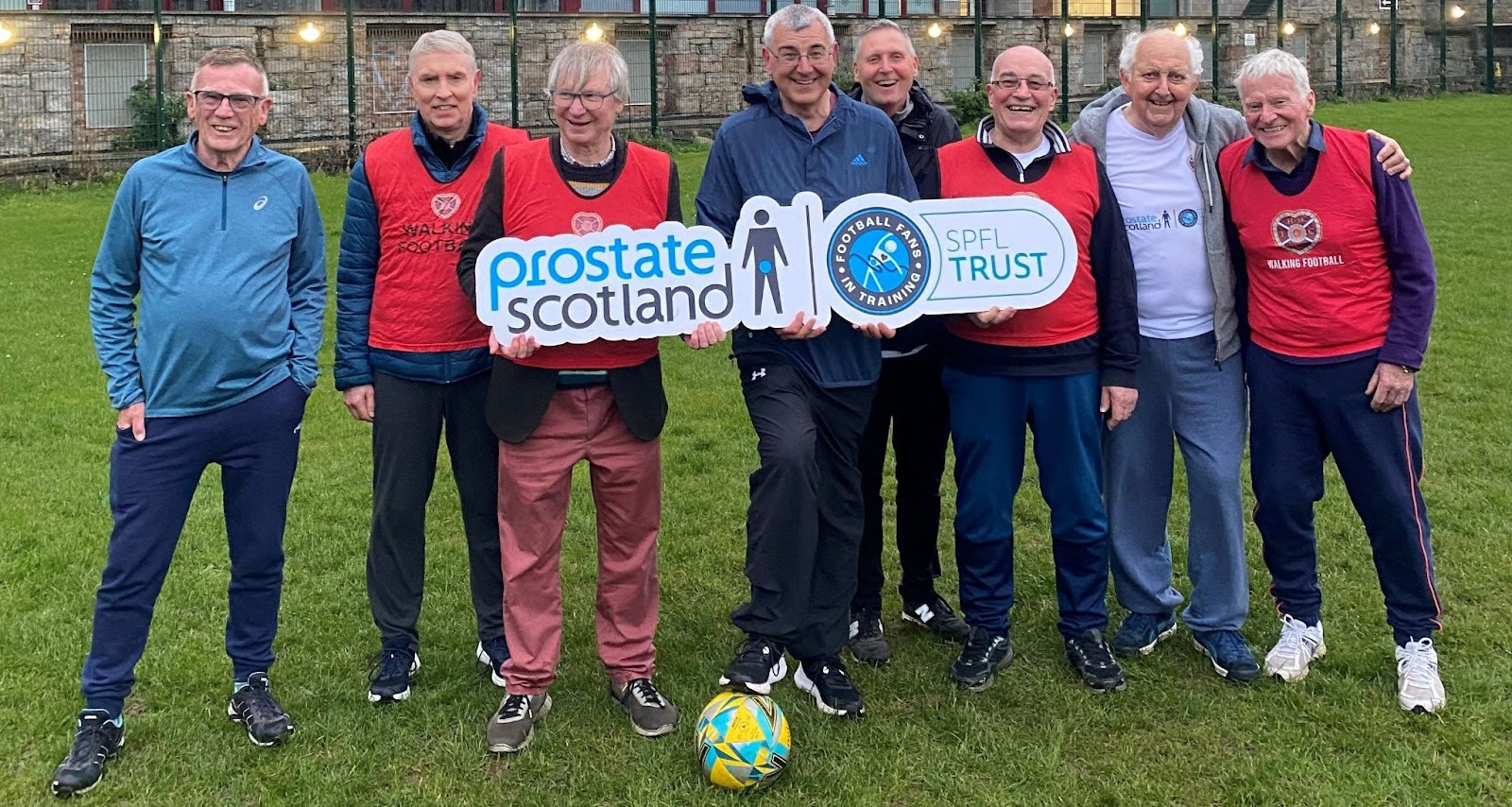
The SPFL Trust, in partnership with Prostate Scotland, are continuing their exercise programme for men living with prostate cancer following a hugely successful 12-week pilot programme.
The initial phase of this project took place in the capital at Tynecastle, delivered by Heart of Midlothian FC and at Ibrox, with Rangers Charity Foundation.
The programme is a tailored version of Football Fans in Training (FFIT), the SPFL Trust’s flagship health and wellbeing programme which takes place at football clubs across the country, helping people to get active and feel fitter, healthier and happier.
The next cohort kicks off on September 19 in Kilmarnock, with The Killie Community, and in the capital, with Heart of Midlothian FC at Tynecastle on September 20.
Working together with experts from Prostate Scotland, the University of Glasgow Health and Wellbeing Institute and The Exercise Clinic, the programme has been developed based on clinical guidelines for men living with prostate cancer, which recommend a structured 12-week exercise programme.
Prostate FFIT is open to all men living with prostate cancer, who can self-refer online, or be referred by a clinician.
As well as having the opportunity to take part in exercise supported by trained coaches, participants will learn more about nutrition. They will also receive a personal workbook to help them follow the course and have access to specifically developed videos to continue exercise at home.
Crucially, Prostate FFIT will create space for men affected by prostate cancer to meet others in a similar situation, offering informal peer support.
David Plaintook part in the pilot programme with Heart of Midlothian FC. “It was really good on a number of levels,” he said.“You immediately have something in common with every single person in the room. We’re all at different stages of our journey, but we all have prostate cancer.
David (fourth from left) and his Prostate FFIT group during a session at Tynecastle
“There was someone else on the course who had the same treatment as me. It was just good to know that what I was experiencing wasn’t out of the ordinary.
“I’ve continued with exercise after the course. Three of us meet up once a week to go to a fitness class and have a coffee.
“You don’t feel the need to hide the fact that you have Prostate Cancer. Prostate FFIT is a safe place to go and everyone there is going through a similar journey.”
Adam Gaines, Director of Prostate Scotland, said: “We are delighted to be offering these new courses with our partners at the SPFL Trust, The Killie Community and Heart of Midlothian FC.
“Prostate FFIT is aimed at helping tackle the impact prostate cancer can have on the lives of men living with it, especially for those on hormone therapy.
“The benefit of Prostate FFIT courses, offered in professional football clubs, is in providing engaging and helpful exercise and healthy lifestyle sessions, in line with clinical guidelines. Recent research by the University of Glasgow has shown many benefits that Prostate FFIT courses can have on men living with prostate cancer.”
A new analysis of monthly Spotify playlists reveals the most popular songs for a January workout, as Brits head back to the gym
ACRAZE’s Do It To It proved best for getting hyped back up after Christmas, as well as Eminem’s Till I Collapse and The Chainsmokers’ Closer
Google searches for new gym memberships have increased by 111% since the end of December – perhaps due to New Year’s resolutions
A new analysis of user’s monthly Spotify playlists has revealed which tracks are best for getting hyped for the gym again in January – with ACRAZE’S Do It To It on top.
The research, conducted by fitness experts Fitness Volt, analysed over 9,353 tracks from Spotify’s most popular January gym and January workout playlists to determine which songs feature most – creating the ultimate back-to-gym playlist for the new year.
ACRAZE’s Do It To It – featuring girl group Cherish – is the best-suited track, appearing in seven of the playlists analysed. With a tempo of 125 BPM, the song is ideal for cardio.
Next up was Eminem’s Till I Collapse, also appearing on seven playlists, which would work well for a high-intensity workout thanks to its higher BPM of 171. The third-most popular track was The Chainsmoker’s Closer, which appeared in six workout playlists.
It makes sense that high-tempo songs appear frequently in January playlists, given many people are now getting back to their usual workout routines and will be trying to hype themselves up again after the festive break.
Some artists also appear more frequently in gym playlists than others; Lizzo is amongst the most popular, with featured tracks including Fitness, Water Me, Grrls and Truth Hurts.
Other artists that appear numerous times across the analysed playlists were Kanye West, Big Sean, Flo Rida, Rihanna and Tiesto.
Top 20 tracks for January workouts
Do It To It, ACRAZE
Till i Collapse, Eminem
Closer, The Chainsmokers
The Motto, Tiesto
Elated, January’s Blessing
Where Are You Now, Lost Frequencies
INDUSTRY BABY, Lil Nas X
POWER, Kanye West
Shivers, Ed Sheeran,
The Box, Roddy Rich
Can’t Hold Us, Macklemore
Stronger, Kanye West
Numb/Encore, Jay-Z
Acapulo, Jason Derulo
Abcdefu, GAYLE
Levitating, Dua Lipa
We Own It, 2 Chainz
Boom Boom Pow, Zafrir
HERO A, Yuki Hayashi
Feels Like Summer, Weezer
There’ll also be an influx of new gym-goers who have dedicated themselves to pursue working out as their New Year’s resolution, and who’ll be listening to more motivating music.
It seems that Brits are already keen to get themselves back to working out, with Google Trends data showing that searches for ‘gym memberships’ are 111% higher now than they were at the end of December.
A spokesperson at Fitness Volt commented on the findings, saying: “Many gym-goers will find it hard to motivate themselves to get back to working out after some time away from the gym – and one of the best ways to amp ourselves up is to listen to high-tempo music.
“For those who are looking to create dedicated gym playlists, it’s recommended to include some slower tracks that will work for warming up and cooling down after your workout. You may also want to consider noise-cancelling headphones to enhance the experience.”
After much needed time to relax with family and friends over Christmas, getting back into your routine in the new year can be quite the challenge, specifically when it comes to working out. In fact, research shows that one third of Brits admit to doing no exercise at all in December, so it’s vital to start the preparation early.
However, it doesn’t need to be so difficult – experts at Fitness Volt have highlighted five tips to ease yourself back into a workout routine after the festivities.
Set specific times
Scheduling your workout time is a simple yet effective step. Getting back into the right frame of mind after the Christmas buzz is just one of the ways you will have to readjust, and it can certainly take its toll on you. So, without a gym schedule, it’s likely that you will make plenty of excuses to not partake in any exercise. Consider your day-to-day schedule and choose your workout slot based on where you have the most free time – this way, you can mentally prepare yourself as well as avoid any excuses that you are too busy. Plus, a planned exercise slot will ensure that your workload won’t take over, as it’s a given that you will be getting back into a busy work routine, too.
Don’t overexert yourself
While pushing yourself is usually encouraged in fitness, it’s sensible to not push yourself to the extreme, particularly after some time away from exercise. Whether it’s weightlifting or cardio, doing too much exercise can lead to overuse injuries including muscle strains and tendon injuries, thus making you a lot less capable of meeting your fitness goals. After some time off, it’s natural to not be able to lift as heavy or run as far – so it’s crucial to not let it discourage you, as you will soon gain your ability if you stay consistent with your exercise. As well as this, overdoing it can lead to a burnout in the early stages and make you dread a workout as opposed to enjoy it. If you feel yourself giving up, try to commit to five minutes and finish your workout if you don’t feel capable of doing anymore; but with this five-minute rule, it will likely motivate you to do more.
Personalise your workout
Fitness lovers aren’t necessarily all gym-goers. In fact, there’s plenty of ways to workout which don’t involve the gym – and this is key for making it an enjoyable part of your routine again. If you’re a nature enthusiast and wish to do more cardio exercises, go for a run – or even a walk – at your local beach, local park, or even around your neighbourhood. Alternatively, if you’re into strength training but don’t enjoy the gym atmosphere, invest in equipment such as dumbbells and kettlebells to work out from the comfort of your own home.
Partner up
Finding a friend with similar fitness goals is beneficial for many reasons, one being that it acts as motivation after some time away. For the days that you don’t feel like exercising, a fitness partner can motivate you to get ready and get it done – plus, during a workout, your partner can even push you to take it to the next level, such as lifting a slightly heavier weight or increasing the incline setting on the treadmill. Having a partner can also keep you accountable to stay on track of your fitness plan, and recognise any goals that are yet to be met. Better yet, it makes it a time to socialise so that you look forward to it more, not to mention your partner can spot you to make your workout safer.
Set short term goals too
It’s always important to think of the long-term result; doing so allows you to plan your workout and figure out which exercises are best suited to your needs. However, having only a long-term goal can become frustrating when you aren’t seeing progress straight away, and can even result in you to give up completely – which is especially easy to do when you’re trying to get back into your routine. Therefore, it’s vital to set goals over shorter timeframes that are manageable, as well as not just focusing on your appearance. For example, you may wish to become stronger, so a short-term goal for the end of a month could be to increase your squat load by 20 kilograms.
A spokesperson from Fitness Volt has commented: “When it comes to Christmas, the last thing that needs to be on our minds is working out – it’s a time that we wish to be spending with family and friends, and it’s important to make the most of that. However, it can be difficult to find our motivation to get back into it from some time off.
Thankfully, there are simple steps that can increase your ambition again as well as make your workout more enjoyable to ensure that you can stick to your fitness routine in the new year and, as a result, enjoy the Christmas festivities without feeling guilty.”
The research was conducted by Fitness Volt which is a comprehensive online resource dedicated to Strength Sports, from healthy eating to exercise and everything in between.
Fitness fanatics are being offered expert advice on how to remain committed to their workout regime this summer whilst drinking socially.
With the release of a new hangover pill in the UK – claiming to be the first of its kind to break down alcohol in the body – there are slowly becoming more and more ways to stay fit and healthy whilst consuming alcohol, but these remedies can be quite an expense.
The fitness experts at BreakingMuscle.com have given their top tips for maintaining fitness goals whilst drinking alcohol by making smart, simple changes.
Every fitness journey, whether it’s increased muscle mass, fat loss or a sustained healthy lifestyle, requires a level of dedication and perseverance.
That’s why it can be difficult to see alcohol consumption as part of a fitness regime due to its side effects, however, drinking socially is certainly achievable without sabotaging personal health goals.
With a bit of forward planning and a few simple hacks, having a good time and staying in shape can go together hand in hand.
A spokesperson for BreakingMuscle.com said: “For those looking to enjoy a drink in the hot weather with friends whilst maintaining the body they desire, it can feel like an impossible task.
“However this is not the case, with a few smarter choices we can limit the effects of hangovers, control calories and plan workouts that fit around social events.
“Of course, there are some types of alcohol that have a higher caloric value than others. But it doesn’t have to be a chore to make drinking fit in with a healthy lifestyle. Staying on track with fitness goals does have its importance, but enjoying time with friends and family shouldn’t have to be sacrificed because of this.”
Staying hydrated throughout the night is just as important as staying hydrated during a workout. Keeping water intake up whilst drinking can help to prevent any negative side effects the next day. Try drinking a glass of water for every alcoholic drink, if this isn’t possible ensure to drink plenty of water before heading off to bed.
Take a day off
It can be tempting to get straight back into the gym the day after a few drinks but this isn’t always the best idea. It’s more than okay to have a day off and relax, trying to smash a workout whilst not feeling a hundred percent can actually do more harm than good.
Fill up on macros
Unfortunately, alcoholic drinks aren’t known for the vitamins and minerals they provide, they actually deplete the body’s supply. In the hours pre and post drinking, try to eat fruits and veg that are rich in macronutrients. Smoothies, nuts and bananas are just a few examples of quick foods that are rich in vitamins and minerals to fit in before or after a night out.
Choose wisely
It may feel as though alcoholic beverages have no calories in them but many drinks can be very deceiving. Be wary of cocktails and mixed drinks as they will contain a higher number of calories than beer and wines.
Light over dark
When choosing a tipple, try picking light spirits like gin or vodka over whiskey and spiced rum. This is because darker spirits contain toxic compounds that can contribute to a nastier hangover.
Set a limit
It can be easy to overindulge when out socialising with friends. However, for those who may find it difficult to get back on track after a heavy night out, setting a limit can help provide clarity moving forward in the gym. Setting higher limits should not induce guilt, but should be used to inform healthy amendments to that week’s training routine.
Steer clear of sugar
Where possible try and swap sugary mixers and cocktails for diet or sugar-free alternatives. For example, try swapping a gin and tonic for a gin and soda water, the taste might not be quite the same but it can make sticking to a calorie goal much easier. Post-drink snack
Kebabs, burgers and pizzas are often the most popular post drinking snack but the calories can start to add up after a few drinks. Preparing food at home after a night out can be a great way to not overspend on calories at the end of the night.