Wildfire Warning: 13-19 August 2025

The Scottish Fire and Rescue Service (SFRS) has issued its tenth wildfire warning this year and urges the public to avoid the use of naked flames outdoors. A ‘very high’ risk of wildfire comes into effect from today – Wednesday, 13 August – and remains in place until Tuesday, 19 August. 

The affected areas across Scotland are:

13-15 August – eastern areas

16-17 August – eastern and western areas

18-19 August – most of Scotland, including east, west, central belt and southern uplands. 

Wildfires have the potential to burn for days and devastate vast areas of land and wildlife.

Group Commander Niall MacLennan is one of the SFRS Wildfire Tactical Advisers. He said: “During periods when the risk of wildfires is high, we want people to avoid using portable barbecues, discarding cigarettes on the ground or lighting campfires in or near areas of vegetation as these all pose a significant threat.

“We know the vast majority of wildfires are started by human behaviour, so acting responsibly can lower the chance of a fire starting in the first place.

“Help us protect remote and rural communities, who can be hugely impacted by wildfires, by following the safety advice and being familiar with the Scottish Outdoor Access Code.”

Wildfire prevention and safety advice can be found on the Scottish Fire and Rescue Service’s website

 You can learn more about the Scottish Outdoor Access Code online. 

Arthur’s Seat Fire: experts warn of glass bottle fire risk

Sunday’s wildfire at Edinburgh’s Arthur’s Seat, was thought to have been started by ‘human activity’. While this could be a range of things, one possible reason could be discarded litter.

Glass waste experts at BusinessWaste.co.uk warn locals that discarded litter, particularly glass, left in direct sunlight and near grass, can ignite and spread quickly. To help reduce the risk of more fires, they are urging locals to carefully dispose of empty glass bottles to prevent fires. 

What’s the risk?

Wildfires are on the rise, with research finding that by April 2025, the UK had already surpassed records for the area of land burnt by wildfires.

So far this year there have been 175 fires, burning an area of over 40,000 hectares – that’s an area more than twice the size of the city of Glasgow.

Fires like these are becoming more common due to climate change. One study found that human-induced climate change makes the dangerous conditions needed for wildfires at least six times more likely.

Why is glass waste an issue?

Glass waste, specifically any that’s clear or curved like drinks bottles, can act as a magnifying glass in direct sunlight and start fires. The magnifying effect of glass can project the sun’s rays onto dry material like grass, wood, or paper. When this reaches a certain temperature it can ignite a fire. Combine this with dry and windy conditions, and fires spread quickly.

While this may sound an unlikely combination of factors, it’s more common than many people realise. For example, a fire in the Peak District in May was attributed to discarded bottles, and a similar situation was seen on the Isle of Arran in April. 

Outside of wildfires, glass also poses a risk in the home. Residents should be careful when disposing of glass into open top bins, especially when combined with other combustible materials found in dry mixed recycling, such as paper and cardboard. Alongside this, a single glass bottle left on dry garden grass could be enough to start a fire. 

Beyond the obvious risk to health and life, wildfires, especially those that burn the UK’s moorland, can be ecologically devastating. They can wipe out whole ecosystems and make local areas more prone to future flooding. 

How should you dispose of glass?

If you take any glass bottles with you to open outdoor spaces, you should always take them home with you. Never leave glass exposed in direct sunlight for long periods of time, especially alongside dry vegetation and materials like paper and cardboard. 

Glass should always be recycled. Waste glass is a valuable resource that can be constantly recycled into new glass products. If glass is sent to landfill, the raw material is lost and more must be mined to create new products. Recycling glass saves up to 30% of the energy compared to making new glass from raw materials.

What to do if you spot a fire

First, ensure you get yourself and anyone you are with to safety. Once you have done so, call 999 to report the fire. Try to give as much detailed information as you can about the location – What3Words can be helpful to pinpoint fires. Never attempt to put out a wildfire yourself, as these types of fires can behave erratically. 

What are the consequences if your litter leads to a fire?

If your litter causes a fire, and you left this ‘deliberately’ or ‘recklessly’, this might be classed as arson5 under the Criminal Damage Act 1971. This could result in a criminal record, unlimited fines, and even a prison sentence. 

Littering itself can see you issued with a Fixed Penalty Notice of up to £500, or a fine in court of up to £2,500.

Graham Matthews, glass waste expert at BusinessWaste.co.uk, said: “Many people aren’t aware of the danger discarded glass poses. But as the weather heats up, it’s essential that the public are careful with all waste.

“We know that climate change is only escalating the risk of wildfires across the UK, and we have seen many concerning instances of just a single glass bottle being responsible for burning huge swathes of the countryside

“We urge people to be responsible and considerate with any glass waste, both in and outside the home. You should always take your litter with you regardless, but the consequences are so much higher in hot, dry weather.

“While leaving glass bottles unattended or littered may seem like a simple moment of carelessness, the lasting impact on our environment can be huge.”

Scottish Alcohol Industry Partnership: DON’T buy alcohol for under 18s

Underage drinking causes harm to children and impacts whole communities. That’s why buying alcohol for under 18s is ILLEGAL.

Help us clamp down on proxy purchasing.

Refuse to buy alcohol for under 18s.

Report it to the police if you see it.

Campaign aimed at tackling youth drinking praised by Minister

The “It’ll Cost You” campaign was praised by Scottish Community Safety Minister Siobhian Brown MSP when she visited the latest roll-out in Edinburgh.

The “It’ll Cost You” campaign now in its tenth year and run nationally across Scotland raises awareness of the consequences of proxy alcohol purchases to help protect children, reduce crime and antisocial behaviour, and make communities safer.

The event at the Scotmid store on Gorgie Road demonstrated the value of partnership working between the alcohol industry, retailers, Community Alcohol Partnerships and the police in tackling underage drinking and youth disorder. 

Asking an adult to buy alcohol for under 18s is one of the most common tactics used by young people to access alcohol. It’s an offence in Scotland for an adult to buy or attempt to buy alcohol for someone who is under the age of 18.

This is known as proxy purchase. Adults who buy alcohol for children may face a fine of up to £5,000. The campaign raises awareness of the damaging effects and criminal nature of buying alcohol for under 18s.

Victims and Community Safety Minister Siobhian Brown, said:“To have run this campaign for ten years is a strong example of partnership working to help reduce crime and make our communities safer.

“‘It’ll Cost You’ reinforces the message that buying alcohol for someone under the age of 18, regardless of your relationship to them, is illegal.

“It can put them at risk of becoming vulnerable or involved in antisocial behaviour and if you buy drink for them, you could be fined, imprisoned, or both. This campaign highlights the dangers of underage drinking and sends a strong message that this is not acceptable.”

Policing Together Superintendent Joanne McEwan, Police Scotland, said: It’ll Cost You” is a really important campaign that looks to address the various risks to young people associated with them gaining access to alcohol.

“Please remember, that buying alcohol for those who are underage is a criminal offence and could result in a fine, a prison sentence, or both.”

Luke McGarty, Scottish Grocers’ Federation, added: “This campaign ties in with SGF’s position of promoting responsible community retailing.

“Retailers are committed to reducing underage drinking and anti-social behaviour linked to alcohol.”

Tam Cassidy, Community Alcohol Partnership Advisor for Scotland, said: “Proxy purchase continues to be a challenge across Scotland.

“This campaign highlights the dangers and penalties that can result from adults buying alcohol for young people.”

Ian Lovie, Licensing & Compliance Manager, Scotmid, said:“Scotmid has been long term supporters of the campaign.

“We understand the importance of preventing proxy purchasing in our stores to help reduce underage drinking and anti-social behaviour in our communities.”

Report illegal use of off-road bikes

Riding off-road bikes illegally in public green spaces can cause serious injury to other people.

Know who’s riding an off-road bike in parks or recreation grounds? You can tell independent charity Crimestoppers 100% anonymously about who’s involved and where it happens.

You can also get more info on how you can report to local partners and where you can legally and safely ride an off-road vehicle.

Speak up directly to us on 101 or visit our partner website https://orlo.uk/oryx2

#PoliceScotlandEdinburgh

#PoliceScotland

Spotlight on dangerous and illegal use of off-road bikes across Scotland

The charity Crimestoppers Scotland has launched a new campaign appealing for information about the dangerous and illegal use of off-road motorbikes and other mechanically propelled bikes across Scotland.

There has been rising concerns and reports from communities across Scotland over the illegal use of off-road bikes and other mechanically propelled bikes including mopeds, e-bikes and e-scooters.

Complaints often centre around off-road bikes becoming a threat to the public as the bikes are ridden recklessly in residential areas, town centres, on pavements and in green spaces – with no concern from the riders for their own safety or that of the public.

Crimestoppers spoke to people in Scotland who has been directly affected by dangerous and illegal use of off-road bikes:

  • A Farmer in Dumfries told us his fields had been ripped up overnight, costing thousands in repairs and increased security costs.
  • An elderly lady in Edinburgh almost stepped in front of a bus to prevent a bike on the pavement from crashing into her.
  • In February Whinhill Golf Club in Greenock experienced extensive damage to the greens and fairways.
Angela Parker

Angela Parker, National Manager, Crimestoppers Scotland, said: “We heard from many people who felt scared and threatened by the increased use of illegal off-road bikes. This illegal activity also damages the environment and heritage, taking years to recovers and costing thousands to repair.

“Our campaign aims to support communities in reporting anonymously to our charity and providing information on where people can safely and legally enjoy riding their bike.”

Victims and Community Safety Minister Siobhian Brown, said: “I’m pleased to support this important campaign.

“Using off-road vehicles illegally is dangerous, anti-social and can cause huge disruption to residents in local communities as well as causing damage to parks, playing fields and the natural environment.

Crimestoppers enables individuals to report crime anonymously and these reports help the police to tackle this crime. Together, we can make a real difference.”

Councillor Stephen McCabe, leader of Inverclyde Council, said: These bikes are causing untold damage and misery in our community, damaging public and private property and leaving residents feeling scared and intimidated, which is simply unacceptable.

“Areas like Grieve Road have been particularly affected by the rise in off-road bikes and the course at Whinhill Golf Club, which the council owns, has also been damaged so there is a cost to the taxpayers to repair the fairways and greens, not to mention the inconvenience caused for golfers and staff.

“As with most things, the authorities need the help of the public to tackle this problem by reporting illegal and anti-social activity and Crimestoppers is a way in which people can do that and do it completely anonymously.”

Useful information includes:

  • Who is riding them illegally and what they were wearing?
  • The names of those responsible for putting the public and themselves in danger.
  • Where are they being stored?
  • The exact location, date and time the bike/s were seen?
  • Anything distinctive: colour, make, number plate details.

If you own or ride an off-road bike or other mechanically propelled bike, (that includes e-bikes and e-scooters), you must ensure that you comply with UK law. Our campaign webpage gives useful information on all manner of bikes.

To pass on information about the illegal use of off-road bikes completely anonymously, visit the Crimestoppers website (Crimestoppers-uk.org). You can fill in a safe and secure form or you can call the 24/7 UK-based Contact Centre on 0800 555 111. Young people can also report crime via the charity’s youth service website Fearless.org.

Please note: With Crimestoppers-uk.org and Fearless.org, computer IP addresses are never traced and no-one will ever know you contacted them.

For telephone calls to Crimestoppers via 0800 555 111, there is no caller line display, no 1471 facility and calls have never been traced.

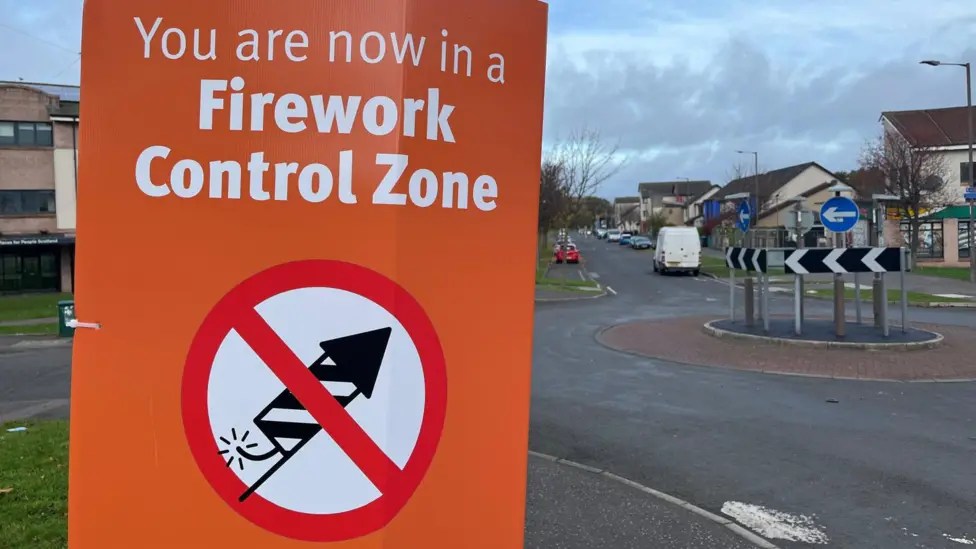
Share your views on Firework Control Zones for 2025

A consultation on Firework Control Zones (FCZ) for autumn 2025 in Edinburgh is now underway.

Earlier this year interested communities were invited to apply for their area to become a FCZ. Consultation participants will now be able to give feedback on nine potential FCZs in:

  • Niddrie
  • Sighthill/Broomhouse
  • Gracemount
  • Moredun
  • Calton Hill
  • Seafield
  • Balerno
  • Corstorphine
  • Longstone

Consultation responses will help form plans for future FCZs, which will be reported to Culture and Communities Committee in August.

Councillor Margaret Graham, Culture and Communities Convener, said:We want people to be able to enjoy Bonfire Night safely and responsibly, and introducing FCZs is one way we can support communities to do that.

“As well as drawing on experience from last year’s FCZs, this consultation will help us to better understand the impact on residents as we approach autumn 2025.

“I would encourage all those who are interested to take part in the consultation to help us shape plans for Bonfire Night.”

FCZs were first introduced to support the safe use of fireworks in Edinburgh in 2024, based on assessments from Police Scotland, the Scottish Fire and Rescue Service, and Council data.

These covered Balerno, Calton Hill, Niddrie and Seafield and lessons learned from their operation will be considered in the introduction of future FCZs.

The current consultation will run until 29 July. Take part online.

Two more arrests in connection with violent incidents in the East and West

Officers investigating the violent incidents in the East and West of the country have made two further arrests, bringing the total to 44.

Following the recovery of a firearm in the Roseburn Path area of Edinburgh on Wednesday, 11 June, 2025, a 25-year-old man was subsequently arrested and charged in connection and was due to appear at Edinburgh Sheriff Court today, Friday, 13 June.

Officers also executed warrants this morning at addresses in South Queensferry and Edinburgh.

A 22-year-old man was arrested and charged in connection with fire-raising of a vehicle on Peacocktail Close in Edinburgh on Friday, 16 May. He is due to appear at Edinburgh Sheriff Court on Monday, 16 June.

A 21-year-old man has also been reported to the Procurator Fiscal in connection with wilful fire-raisings at two properties in Glasgow and one in Shotts in April.

A dedicated team of officers from our Specialist Crime Division, with support from local divisions across the country, continue to carry out extensive enquiries to gather vital evidence and reassure the public with intelligence-led patrols.

Detective Chief Superintendent Dave Ferry said: “Our continued activity and arrests show our commitment to targeting organised crime and bringing those responsible to justice.

“We continue to investigate and follow a number of positive lines of enquiry. The support and response from the public has been excellent, and I am grateful for the assistance given to us and that continued support from local communities is crucial as we progress our enquiries.

“If you know anything that could assist our ongoing investigation, please do the right thing and speak to us.”

Anyone with information is asked to contact Police Scotland via 101 quoting incident number 0562 of Friday, 21 March, 2025. Alternatively, you can call Crimestoppers on 0800 555 111 where information can be given anonymously.

Community Safety Consulation

WEST PILTON NEIGHBOURHOOD CENTRE

WEDNESDAY 21 MAY 12 – 3.30pm

Sharing this for anyone to join:

For more information on the Place Standard Tool visit www.placestandard.scot

WEDNESDAY 21ST MAY 2025

12:00 PM – 3:30PM @ WEST PILTON NEIGHBOURHOOD CENTRE

LUNCH PROVIDED

Join residents and service providers for an interactive consultation.

Have your say and help shape a safer and better West Pilton for everyone.

Universal kerbside battery collections needed to tackle epidemic of waste fires

  • Incorrectly discarded batteries and electrical devices cause more than 1,200 waste fires every year in the UK – with the number of fires growing by more than 70% year on year.
  • Total annual cost of battery-related waste fires now in excess of £1bn – threatening vital infrastructure and placing additional burden on taxpayers
  • Every UK household on average incorrectly discards nearly 6kg of electrical items each year and more than 3,000 batteries are chucked out every minute
  • New independent research recommends that rolling out council kerbside collections for small electrical devices and batteries across the UK could solve the problem and save more than £6billion associated with battery fires over the coming decade
  • A coalition representing the waste management sector and local authorities have written to Defra minister, Mary Creagh, calling for urgent policy reform to implement universal kerbside collection of batteries and waste electricals, and to ensure producers of these products pay their fair share for this vital new service

Implementing universal kerbside collections for waste batteries and electricals across the UK could save £6bn over the next decade by increasing recycling and avoiding the costs associated with waste fires.

This was the key finding of independent research conducted by expert consultancy Eunomia for the Environmental Services Association (ESA), published today (30th April 2025), which investigated the costs and benefits of various options for collecting small waste electrical devices and batteries at the kerbside.  

Only a quarter (100 of 391) of local authorities currently offer kerbside collection for small mixed waste electric and electronic equipment, which includes devices like old mobile phones, electric toothbrushes, vapes, power tools and toys – but these voluntary services only cover around 23% of households in the UK, and collection methods vary significantly between participating councils.

Because of this lack of convenient and consistent recycling options, waste electrical items, which often contain powerful batteries, are commonly (but incorrectly) discarded in the general rubbish or mixed with other recycling – where they can explode or ignite and pose a significant fire risk.

It is estimated that every household, on average, incorrectly discards nearly 6kg of waste electricals each year – or 155,000 tonnes in total.

Furthermore, Material Focus reports that 1.6 billion batteries were thrown away in 2023/24 in the UK, or 3,000 every minute – with just over a billion of these hidden in electrical devices.

This has contributed to what recycling and waste operators are calling an ‘epidemic’ of battery fires. In 2023, more than 1,200 serious battery-related fires in waste facilities or vehicles were reported and the problem is rapidly growing year on year – with a 70% increase in fires between 2022 and 2023 alone.

The total annual cost of the impacts of battery-related waste fires in the UK is now estimated at more than £1billion. These costs have sky-rocketed from previous estimates, owing to increased frequency of incidents and higher associated costs of the impacts (such as repairs, insurance premiums and public service impacts etc). 

The risks posed by battery fires include not just the obvious risks to peoples’ safety but also damage and downtime to essential infrastructure; the loss of valuable recyclable materials, and pollution to water-courses and the wider environment.

In its report, Eunomia recommends that the best way to address this growing epidemic of battery fires is to implement universal kerbside collections of batteries and small waste electrical devices as part of normal council recycling collections – making correct recycling more convenient for all householders, not just those living in councils where collections already happen.

The report suggests that the best cost/benefit balance would be achieved by retrofitting existing refuse collection vehicles (RCVs) with external cages, where possible, to safely store batteries and small waste electricals – collecting them on existing recycling rounds. This would be supported by both national and local communications campaigns, which would be enabled and made more cost-effective by a consistent approach across the country.

If such a scheme were rolled out today, Eunomia estimates that the number of waste fires would drop correspondingly (with anticipated increased compliance levels) from over 700 a year to just over 100, and that the capital expenditure needed to implement the new service would equate to around just 70 pence per household. 

Responsibility for this service would continue to fall to local authorities, but the relatively modest additional operational expense could be supported by producers of batteries and electrical devices under a reformed Extended Producer Responsibility regime – which UK Government consulted on in early 2024.

Chairman of the Environmental Services Association, and Chief Executive Officer of Biffa, Michael Topham, said: The UK is facing a growing epidemic of battery-related waste fires which threatens lives, vital infrastructure and the environment.

“Whether discarded on their own or hidden inside electronic devices, batteries wreak havoc when they are thrown in the wrong bin, but this sadly happens all too often because of a lack of convenient recycling options for householders.

“Eunomia’s report provides clear evidence of the huge benefits of implementing a nation-wide kerbside WEEE and battery recycling scheme – not just for preventing fires and protecting infrastructure but also realising a £6billion economic benefit while supporting a more circular economy for batteries and waste electricals.

“We urge government to commit to rolling out mandatory universal kerbside recycling services for waste electricals and batteries, and to ensure all parties pay their fair share towards delivering them.” 

Leyla Lugal, Principal Consultant at Eunomia, adds: “Lithium battery fires are hurting people, the economy, and the environment.

“With the number of electrical products on the market set to rise, this problem will get worse without intervention. The only way to implement change effectively and cost-efficiently is through collective action, ensuring strong communications campaigns and widespread national engagement.

“Some local authorities are already undertaking safer battery collections. This research highlights the wide-ranging benefits of such measures, but to drive real progress, we need policy reform as a catalyst for broader industry and consumer change.”

Jon Hastings, Chair of the National Association of Waste Disposal Officers (NAWDO), said: “Fires in waste collection vehicles and treatment facilities pose a risk to staff working in this critical industry, and are causing operational disruption and higher costs for local authorities. 

“It is essential that producers are made responsible for the costs of providing more convenient collection services for batteries and small electrical items to help tackle this growing and dangerous issue, and as such NAWDO joins with the ESA in urging the Government to bring forward the proposed reforms to WEEE regulations as a matter of urgency.”

Councillor Richard Wilkins, Lead Member for Transport and Waste at Somerset Council, said: “Collection of batteries from the kerbside is positive for both our residents and the environment.

“Batteries are becoming more prominent in the things we use everyday. Introducing the collection of batteries and small electricals was a simple way to make sure the right thing was done with them.

“We know Somerset residents are keen to recycle, our recycling rates are in the top 10% in England and more than 100 tonnes of small batteries and electricals were collected from the kerbside last year.”

James Kelly, CEO of the British Metals Recycling Association, said: “The increase in the number of fires across the waste industry is deeply concerning. Be they caused by waste electricals and electronic equipment or orphan lithium-ion batteries, urgent action clearly needs to be taken.

“The best way to tackle this is by introducing a kerbside collection scheme, which would make it easier and simpler for the householder to recycle these items.

“However, this would need to be supported by a national communications campaign to educate householders about the dangers of the incorrect disposal of WEEE and orphan batteries.”

Toni McNamara, Local Authority Recycling Advisory Committee (LARAC) Executive Director, said: “While there is no consensus on local authority-operated collections from LARAC membership, we strongly support producer-funded battery and small WEEE collection schemes, and any initiatives focused on reducing the risk of battery fires.”