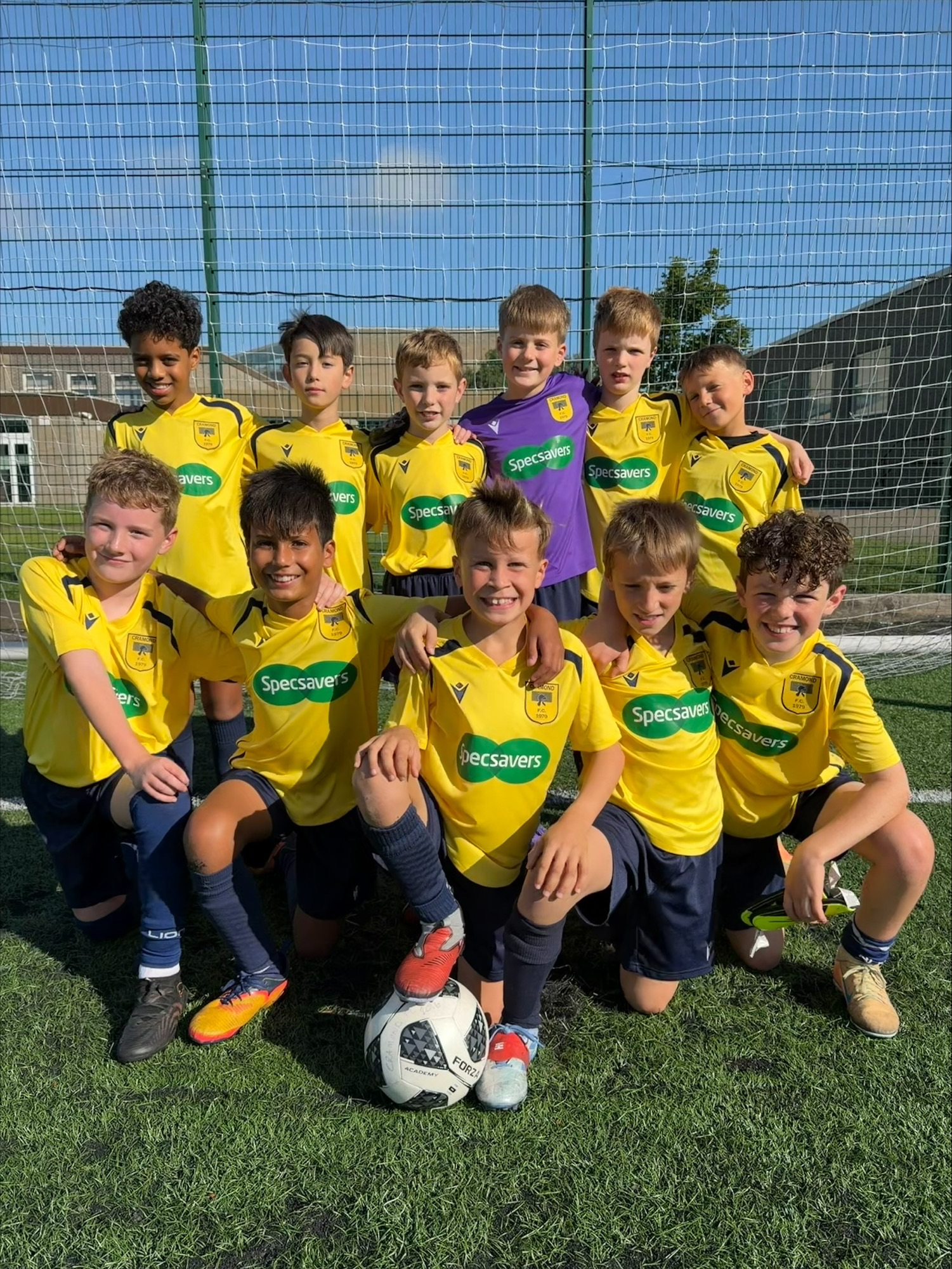
Specsavers is donating £15,000 to the STV Children’s Appeal as it gets behind this year’s STV Children’s Appeal Challenge at the Kelpies.
As part of its sponsorship of the challenge, Specsavers is supporting the Appeal’s work with children and young people across Scotland, while also highlighting the importance of regular eye health checks.
STV presenters Laura Boyd and Sean Batty are preparing to take on this year’s challenge by making sure their eye health is in top form. The pair recently visited Specsavers Grangemouth for comprehensive eye tests and to speak to the store’s eye health experts about the importance of looking after their vision.
The duo will take on a team challenge at the Kelpies today (8 October 2026) to raise vital funds for the STV Children’s Appeal – although exactly what they will be up against is still under wraps.
With Laura and Sean preparing to put their skills to the test at one of Scotland’s most recognisable landmarks, getting them challenge-ready was high on the agenda.
This year marks the first time Specsavers has sponsored the STV Children’s Appeal Challenge, with the £15,000 contribution supporting the Appeal and its work with children and young people affected by poverty across Scotland. Specsavers is also using its involvement to raise awareness of the importance of regular eye health checks.
Specsavers dispensing optician and Grangemouth store manager Joe Smith welcomed Laura and Sean to the locally owned and run store at La Porte Precinct.
More than 20 Specsavers colleagues from across the business, including Joe, will also take part in the Kelpies challenge on 8 October.

Laura Baird, Specsavers Scotland Chair, says: “It is a privilege to support this year’s STV Children’s Appeal Challenge. It’s such an invaluable cause, which raises funds for children and young people living in poverty across Scotland.
“We’re delighted to be supporting the Appeal with a £15,000 contribution as part of our sponsorship of this year’s challenge. With Specsavers stores and colleagues across Scotland, supporting a cause that makes a difference to children and young people in communities right across the country is incredibly important to us.
“We’re also pleased to be highlighting the importance of regular eye tests and giving Laura and Sean the opportunity to make sure their eyes are challenge-ready!”
Laura Boyd, TV presenter and entertainment reporter, says: “Every year, the STV Children’s Appeal Challenge is something I look forward to, and this year it’s been very much kept under wraps.
“We know it’s taking place at the Kelpies, but we’re not sure what this involves – no doubt there will be some nerves but plenty of excitement on the day.
“There’s also a bit of friendly competition between Sean and me, which will add another fun element to the day, and I’m sure our teams will quickly get into the spirit of it. Ultimately, though, the most important thing is raising awareness and much-needed funds for the fantastic STV Appeal.”

Sean Batty, TV presenter and meteorologist, adds: “This is the fifth challenge that Laura and I will be doing together, and I have a feeling it’s going to be very special. We’re looking forward to seeing what they have in store for us.
“It’s also great to have Specsavers on board this year as our official sponsor, and it was fantastic to visit Joe and his team at Grangemouth to make sure our sight was in perfect shape ahead of the challenge.
“Knowing that Specsavers is also supporting the Appeal with a £15,000 contribution makes it even more special, and we can’t wait to get involved in the challenge at the Kelpies.”
The STV Children’s Appeal has raised more than £39 million since it launched in 2011. In 2025, the Appeal raised more than £2.4 million, taking its total raised since launch to more than £39 million.
This year’s challenge will be unveiled on the show on Thursday 29 October and will reveal the fundraising total.
For more information, visit https://stvappeal.tv/https://www.specsavers.co.uk/