GMB Scotland members employed by Glasgow City Council have voted overwhelmingly in favour of industrial action over their pay, which would see strikes across the city’s cleansing service and schools during the International Climate Conference, COP 26.
Pay talks with COSLA, the umbrella body that represents each of Scotland’s local authorities, have stalled, with the employer refusing to budge from an £850 flat rate offer to all local government workers – far short of the £2,000 pay claim that was submitted by the joint trade unions GMB, Unison & Unite.
Following a ballot of cleansing workers and school support staff across the country, Glasgow is the largest of 5 councils in Scotland that could see strike action as soon as November 1st.
96.9% of returned ballots in Glasgow were in favour of strike action.
GMB Scotland represents close to 900 workers in Glasgow’s refuse & cleansing service and a further 600 across Glasgow schools providing cleaning, janitorial and catering services.
GMB Glasgow Cleansing Convenor Chris Mitchell said:“Over the past 18 months throughout this awful pandemic, essential services across Scotland have been held together by an army of low paid workers.
“We were called key workers, even Covid heroes, but while politicians were happy to applaud us on Thursday nights, they’ve never put their hands in their pockets to pay us properly.
“The eyes of the world will be on Glasgow during COP 26, and our politicians now have a choice – will they fairly reward the frontline workers who got the country through the pandemic, or will they risk embarrassing the city and the country on an international stage?
“The message that our members have sent with this ballot result is clear. We are taking a stand for what we deserve, and we believe the people will stand with us.”
Scotland’s rail network will also be hit by strikes during the UN climate summit in Glasgow, the RMT union confirmed yesterday.
“The current situation is not sustainable; it is dangerous for patients and becoming incredibly difficult for staff.” – Dr John Thomson, Vice President of the Royal College of Emergency Medicine Scotland
A substantial new investment of over £300 million in hospital and community care has been unveiled to help tackle what is anticipated to be the toughest winter the NHS and social care system has ever faced.
The new multi-year funding will support a range of measures to maximise capacity in our hospitals and primary care, reduce delayed discharges, improve pay for social care staff, and ensure those in the community who need support receive effective and responsive care.
The NHS and Care Winter Package of additional funding includes:
Recruiting 1,000 additional NHS staff to support multi-disciplinary working
£40 million for ‘step-down’ care to enable hospital patients to temporarily enter care homes, or receive additional care at home support, with no financial liability to the individual or their family towards the cost of the care home
Over £60 million to maximise the capacity of care at home services
Up to £48 million will be made available to increase the hourly rate of social care staff to match new NHS band 2 staff
£20 million to enhance Multi-Disciplinary Teams, enable more social work assessments to be carried out and support joint working between health and social care
£28 million of additional funding to support primary care
£4.5 million available to Health Boards to attract at least 200 registered nurses from outwith Scotland by March 2022
£4 million to help staff with their practical and emotional needs, including pastoral care and other measures to aid rest and recuperation
Health Secretary Humza Yousaf said: “As the winter period approaches, it is vital that we do all we can to maximise the capacity of the NHS and social care system. That’s why I’m setting out our £300 million NHS and Care Winter Package today.
“We cannot look at the NHS in isolation we must take a whole systems approach and these measures will help alleviate pressure across the NHS and social care.
“This significant new investment will help get people the care they need as quickly as possible this winter. Bolstering the caring workforce by increasing their numbers, providing them with additional support, and increasing the wages of social care staff.
“We’ve previously provided funding to ensure that adult social care staff are paid at least the real living wage. Today we’re going further and our new investment will ensure that adult social care staff who are currently paid the real living wage will get a pay rise of over 5%
“Measures I have announced today will help patients whose discharge has been delayed waiting for care and help get them out of hospital and on to the next stage in their care. This helps the individual by getting them the right care, and helps the wider system by ensuring the hospital capacity is being used by those who need that specialist level of clinical care.
“This £300 million of new funding will also fund increases in social care capacity in the community and in primary care – helping to ease the pressure on unpaid carers.
“Our NHS, social care staff and social work staff have been remarkable throughout the pandemic and today’s additional investment will help support them to deliver care to people across Scotland this winter.”
Meanwhile,the latest Emergency Department performance figures for Scotland published by the Scottish Governmentyesterday for August 2021 show that four-hour performance has deteriorated for the fourth consecutive month, again reaching a record low – while the number of patients staying in a major Emergency Department for 12-hours or more reaches a record high.
In August 2021 there were 117,552 attendances to major Emergency Departments across Scotland.
Data show that four-hour performance reached a new record low, with 75.4% of patients being seen within four-hours. One in four patients stayed in a major Emergency Department for four-hours or more before being admitted, transferred or discharged.
The number of 12-hour stays in August 2021 nearly doubled when compared to July 2021. 1,346 patients stayed in a major Emergency Department for 12-hours or more, compared to 760 in July 2021. This figure increased for the fourth consecutive month and it is the highest number of 12-hour stays since records began.
Data also show that 5,279 patients spent eight hours or more in a major Emergency Department. This is the highest figure since records began. The number of patients delayed by eight-hours or more increased for the fourth consecutive month.
Dr John Thomson, Vice President of the Royal College of Emergency Medicine Scotland, said: “The challenge for health care workers is growing significantly. In Scotland, the army have been called in to assist the ambulance services.
“In Emergency Departments, long stays are rising drastically, and one in four patients are staying in an Emergency Department for more than four-hours. It is extremely worrying. These pressures are likely to mount further, and performance deteriorate even more as we head into winter.
“We are seriously concerned about patient safety. Long stays put patients at risk, particularly vulnerable patients, and especially with covid still present in the community. We urgently need a plan to increase flow throughout the hospital, to reduce exit block, to prevent crowding, and to ensure that patients who need it can quickly be moved into a bed for their care.
“The current situation is not sustainable; it is dangerous for patients and becoming incredibly difficult for staff.
“We welcome this afternoon’s announcement by the Secretary of State for Health and Social Care, Humza Yousaf MSP, including the recruitment of more staff and funding for hospital and community care. We hope that these measures will begin to alleviate pressures across the health system, and in particular reduce ambulance handover delays, long stays in Emergency Departments and exit block in our hospitals.
“However, while we welcome this investment, short-term cash injections do little to resolve long-term problems. We must see a long-term workforce plan that includes measures to retain health workers, particularly Emergency Medicine staff, as well as a long-term strategy for social care.”
Responding to the Scottish Government’s announcement to uplift care workers pay to just over £10 an hour, GMB Scotland Secretary Louise Gilmour said:“If we want to tackle the understaffing crisis in social care then we need to substantially increase the basic rate of pay, and for GMB that mean’s a £15 an hour minimum.
“Many of our frontline services are already being delivered on the back of wages of just under or over £10 an hour, and we know this isn’t nearly enough.
“To transform social care for the people who need it and the people who deliver it, particularly as we roll-out a national care service, then we must go further.”
The Scottish Government may also be facing industrial action from nursing staff over the winter …
NHS pay dispute in Scotland: Royal College of Nursing members to be asked about willingness to take industrial action
RCN members working for NHS Scotland are to be asked what industrial action they would be willing to take in support of their ongoing trade dispute with the Scottish government and NHS employers over pay.
The indicative ballot will open on 12 October and close on 8 November.
Eligible members will receive information on the different forms of industrial action.
The indicative ballot will be run by Civica, the independent scrutineer that organised the consultative ballot earlier this year. Eligible members will receive an email from Civica with a personal link to the online voting site on Tuesday 12 October. Weekly reminder emails will also be sent.
The result of the indicative ballot will not formally authorise industrial action. It will be used to inform the next steps RCN members might take.
Julie Lamberth, Chair of the RCN Scotland Board, said: “Industrial action is always a last resort but the current staffing challenges are causing unacceptable risks to patients and staff. The Scottish government has the opportunity to do the right thing by nursing.
“I would urge all eligible RCN members to seek out the available information on what taking industrial action means and what the implications of doing so might be. We need each member to make up their own mind and have their say in the ballot.”
Colin Poolman, RCN Scotland Director, added: “This is your chance to speak up – for your patients and your colleagues. Many of you rejected the pay offer and you know the link between fair pay and safe staffing.
“This is your opportunity to tell us what action you are prepared to take. To let the Scottish government know that the time to protect patient safety and value the safety critical role of nursing is now.”
GMB Scotland serves notice to councils over “derisory and unacceptable” pay offer
Nearly 10,000 school support and refuse and cleansing workers will be balloted for industrial action from next week, after GMB Scotland reps served statutory notice on councils yesterday against a “derisory” pay offer for 2021.
It follows a consultative ballot of GMB Scotland members across Scottish local government which delivered a 95 per cent rejection of COSLA’s £850 a year increase for staff earning up to £25,000 a year.
The ballot will run from Thursday 16 September to Thursday 7 October, with the prospect of strike action affecting school cleansing, janitorial services, refuse collections, and street sweeping from late October onwards.
GMB Scotland Senior Organiser Drew Duffy said:“COSLA’s offer amounts to little more than £15 a week more for our frontline workers in local government, it is derisory and unacceptable.
“The dither and delay on delivering proper value means they are still mired on pre-pandemic pay rates – there has been no “thank you” for these workers.
“Council and political leaders have said many times during this pandemic they value the work of our members, well it’s time they put their money where their mouth is.
“The threat of disruptive strikes in schools and community services is now likely, and unless COSLA chiefs table an improved offer the blame will lie with them.”
Care workers employed by the charity and social landlord Hanover (Scotland) Housing Association will start a programme of industrial action against their management’s “insulting” 1 per cent pay offer.
Action will involve a work to rule including a ban on all overtime and additional holiday working from 17.00 hours from today (Tuesday 7 September), impacting service delivery in care support, cleansing and domestic assistance across twenty-eight sites.
The dispute is the culmination of months of fruitless negotiations between GMB Scotland representatives and Hanover senior management, who themselves were awarded a 4.5 per cent pay rise in 2020, to substantially lift the pay and conditions of frontline staff.
GMB Scotland organiser Ude Joe-Adigwe said:“The employer’s offer means a real-terms pay cut for staff who have worked throughout the COVID-19 pandemic, it’s totally insulting.
“Our members provide vital care and assistance for some of the most vulnerable people in our communities, and they deserve to be treated so much better than this.
“This is not a decision our members have taken lightly; they are proud of their work, but it’s a shame their employer won’t value frontline staff the way they value themselves.
“This action shows Hanover that their staff are prepared to fight for their dignity and value, and we would hope the employer reconsidered its position.”
School support staff and refuse workers moved “a step closer” to industrial action yesterday after GMB members rejected COSLA’s latest pay offer.
95 per cent of members who participated in the union’s consultative ballot over the 2021 offer voted to reject an £850 increase for local government staff earning up to £25,000 a year.
The union will now move to a full industrial action ballot of nearly 10,000 members employed in schools and local refuse and cleansing services, increasing the possibility of autumn strikes.
GMB Scotland Senior Organiser for Public Services Drew Duffy said:“COSLA bosses have failed to table to a pay offer that reflects decent value for many workers who have been part of the frontline response to COVID-19.
“The prospect of an increase that would amount to little more than £15 a week extra in the pockets of workers like school cleaners and refuse collectors has been rightly and resoundingly rejected.
“COSLA’s dither and delay means local government staff across Scotland are still mired on pre-pandemic pay rates – there has been no “thank you” for these workers.
“It means the threat of strikes this autumn, disrupting schools and community services like waste collection and street cleansing, is now a step closer.”
UNISON, Scotland’s largest local government union, has started to issue formal industrial action ballot papers in a dispute over pay.
COSLA, the umbrella body representing council employers, had previously offered staff earning less than £25,000 a flat rate rise of £800. Last week COSLA came back with a revised offer of £850 – working out at approximately 97p per week for the lowest paid staff.
The union says council staff who have kept services and schools running throughout the pandemic deserve a proper pay rise. They say the latest pay offer falls far short of their pay claim and does little to address low pay which has become endemic following a decade of austerity.
The trade union says that councils have suffered a decade of cuts and jobs losses, and that staff have received year-on-year pay cuts. It has meant delivering services has become increasingly stressful for the workforce.
Pressure is mounting on both COSLA leaders and the Scottish Government to find an urgent resolution to this issue.
UNISON intends to take targeted strike action, which means select groups of workers will be balloted. These include members working in school cleaning, school catering, school janitorial as well as those working in waste and recycling services.
Tom Connolly, Branch secretary said: “The last 18 months have taken an enormous toll on council staff who have been working flat out for no reward. Their courage and sacrifices need to be rewarded, yet the employers are failing to recognise their efforts.
“These workers, mostly women, are amongst the lowest paid in the country and have seen their pay drop substantially in recent years. The pay offer falls far short of their colleagues in the NHS and local government workers are left feeling exhausted and undervalued. Scotland’s council workers deserve fair pay.”
Johanna Baxter, UNISON Scotland head of local government, said: “We’ve all relied on council staff to keep our communities clean and safe, protect the most vulnerable and to work in our schools throughout successive lockdowns to allow others to work.
“Without these workers going above and beyond to keep services running over the past year their colleagues in the NHS would have been left without childcare, our mortuaries would have been overwhelmed, our children would have been left without an education and our elderly would have been left without care.
“Yet to date they have received no reward or recognition of their efforts at all. It’s simply not good enough – our council staff are worth more.”
Ahead of crunch talks next week GMB Scotland – the union for local government workers – has written to employer-side representatives for Scottish local authorities, warning bosses “must make good” on the delivery of an improved pay offer for council workers if strikes are to be avoided.
In an act of good faith, Scottish local government unions have suspended preparations for industrial action ballots of their memberships in school support staff and refuse and cleansing services ahead of meetings with representatives of the Conventions of Scotland Local Authorities (COSLA) next Wednesday 18 August.
Plans for industrial actions were put in place last month in response to the existing offer of £800 increase on the basic rate of pay for workers earning up to £25,000 a year, with COSLA chiefs refusing to commit to the delivery of the £500 “Thank You” payment and backpay provisions of the offer.
GMB Scotland Senior Organiser Drew Duffy said:“Strike action affecting school support staff and cleansing workers across Scotland can be avoided if COSLA bring forward an improved offer that is deserving of our members’ consultation.
“Weeks and months have now passed leaving key workers without a proper pay rise while Scottish Government Ministers and COSLA representatives pass the buck of responsibility to each other.
“The applause for our key workers from the political class has long since finished yet our members remain on the frontline of service delivery in our communities.
“Next week COSLA must make good on tabling an offer that reflects the proper value these workers deserve after everything they have done for all of us over the last eighteen months.”
“Honest answers” needed from pladis after proposals for future rejected
Following an announcement this morning by the McVitie’s Tollcross owner pladis, confirming its rejection of counter-proposals to maintain production and intentions to proceed with closure, GMB Scotland Senior Organiser Hazel Nolan said: “It seems clear now that pladis had no intention of engaging in good faith over the future of Tollcross – General Manager Jim Cuthbert told us they “expected more” from the counter-proposals but offered no specific comment on what “more” would look like.
“That’s not good enough. If pladis are walking away from this community after nearly a century of production, and after eighteen months of constant manufacturing during this COVID-19 pandemic, the very least the workforce deserve is honest answers.
“That honesty is also needed for the members of the Action Group because if a firm like pladis no longer sees Scotland as a viable place to do business, then everyone needs to understand why and what must be done to prevent further manufacturing decline.”
The prospect of strike action across Hanover Housing Association services has moved closer after GMB Scotland served the social housing provider with statutory notice for an industrial action ballot against an “insulting” 1 per cent pay offer for frontline workers.
After months of fruitless talks, union members have roundly rejected the real terms pay cut offer for staff like care support workers, cleaners, and domestic assistants, compared to a 4.5 per cent increase package for key management personnel in Hanover in 2020.
In a previous consultative ballot, 81 per cent of GMB members voted against the pay offer and 79 per cent in favour of moving to industrial action against the offer. The full industrial action ballot will run from Monday 28 June to Monday 12 July.
Hanover provide and manage a wide range of housing and services across Scotland, mainly for older people to help maintain their independence within the community.
GMB Scotland Organiser Ude Joe-Adigwe said:“The prospect of a real terms pay cut for many key workers earning little more than the living wage is insulting and made worse by the pay disparity between staff on the ground and management in Hanover.
“And it’s another case in point about the scale of the challenge for the fair work agenda – the backbone of Scotland’s frontline response to COVID-19 has largely been delivered on the backs of workers’ earning just over or under £10 an hour and Hanover is no different.
“This dispute goes to the very heart of the debate over proper value for key workers and the services they deliver, and employers like Hanover need to become part of the solution instead of a persistent low pay problem.
“If we want to build a recovery then it’s got to be better than this and Hanover need to listen to the workers’ voice if they want to avoid the real possibility of industrial action later this summer.”
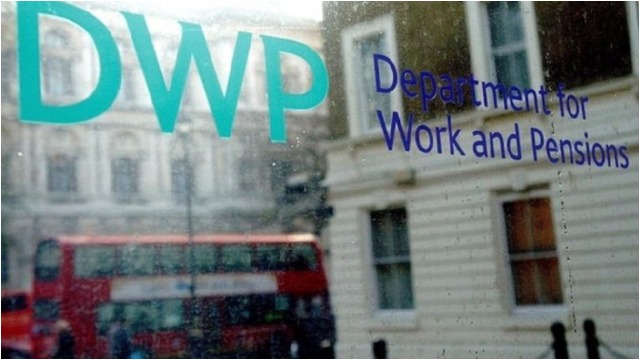
Jobcentre workers are to be balloted in a move that could lead to industrial action. The move is in response to the Department for Work and Pensions’ (DWP) insistence that staff and customers return to jobcentres to deliver face to face services.
Civil service union PCS says that since 12 April, DWP “has been asking considerably more staff to return to jobcentres to carry out face to face interviews with customers. This is despite staff working from home successfully for up to a year, carrying out these interviews by phone.”
The union argues “that coronavirus still poses a threat to safety and that to extend services in jobcentres now is unsafe, and places staff, their families and customers at risk. We are therefore balloting PCS members working in jobcentres to ask if they would be prepared to take industrial action over DWP’s decision.”
The ballot is consultative and a further ballot of members would be required before strike action could take place.
PCS said its demands include “stopping the extension of face to face services, with face to face interviews taking place only with those identified as most vulnerable until the vaccine programme is complete and low rates of infection have been sustained for a significant period.
“We are also asking that DWP sticks to the agreement made in autumn last year, that work coaches can decide how to progress their own workload, including making decisions about how to interview customers.”