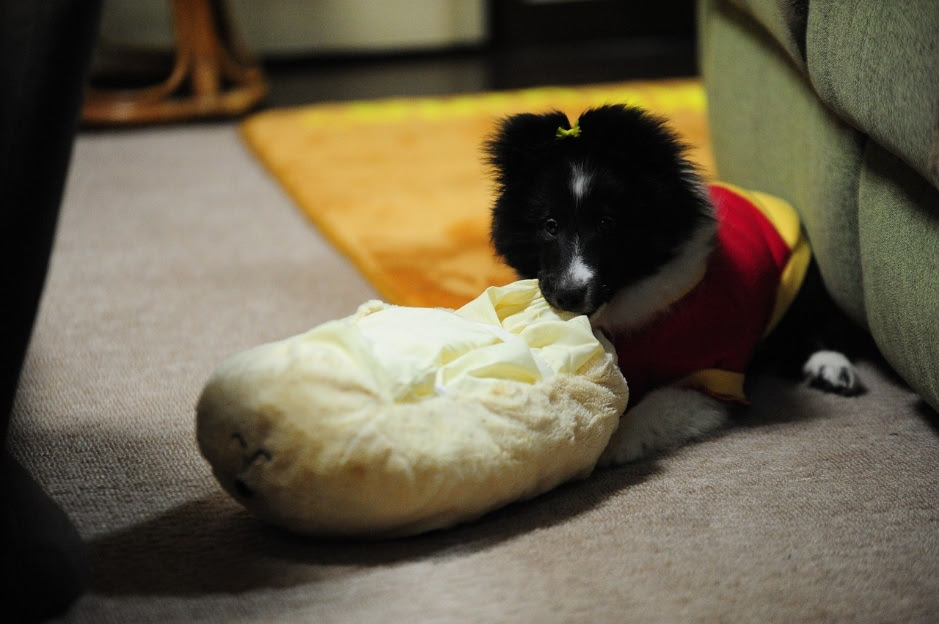
Pandemic Puppies – The Next Generation

National survey to determine whether Covid-19 continues to impact puppy buying

The Royal Veterinary College (RVC) is once again calling on puppy owners to take part in a national online survey to understand the pre-purchase motivations and behaviours of owners of puppies purchased during 2021.

Data from the survey, known as “Pandemic Puppies – The Next Generation”, will be used as a comparison to previous years (2019 and 2020), to determine whether the changes in puppy buying in the UK seen during the COVID-19 pandemic have returned to their pre-pandemic baseline or persisted into 2021.

Following the major success of the RVC’s first study in 2020, this follow-up study will investigate the legacy of this period and the future of UK puppy buying culture, particularly given pandemic restrictions continue to lift within the UK.

While many owners were likely making well-intentioned purchases, the demand has inevitably increased the risk to puppy health and welfare. Vets are concerned that the pandemic puppy boom is persisting, consequently adding pressure to veterinary services in the UK.

Therefore, the findings of this study will be used to help support owners regarding their dogs’ future welfare as well as informing the approach that key players within the veterinary and animal welfare sectors should take when sharing educational messaging with prospective owners to better promote canine welfare.

Dr Rowena Packer, Lecturer in Companion Animal Behaviour and Welfare Science at the RVC said: “The COVID-19 pandemic led to changes in the way many of us bought our household goods, with online ordering and delivery a common feature of lockdown life.

“The pandemic also led to changes in the way the UK bought puppies during 2020, due to the many restrictions to travel and social contact during this period.

“Many of these so-called ‘Pandemic Puppies’ became much-cherished companions, helping households cope with lockdown life; however, there are concerns that some owners were duped into buying from unscrupulous breeders. We are interested in whether pandemic-related changes in puppy buying persisted into 2021, so we can best support owners of puppies bought during this period going forward.

“We would love to hear from anyone who purchased a puppy during 2021 to share their experiences.”

Results from the Winter 2020 survey – which involved more than 7,500 respondents – uncovered several changes in buying habits. Owners were more likely to buy a younger puppy, pay a deposit without seeing their puppy, be first-time dog owners with children in their household, and pay more than £2,000.

Other factors included owners being more likely to see their puppy without their littermates and collecting their puppy from outside their breeders’ property or having it delivered.

These pandemic-related changes, such as viewing and purchasing puppies online, and having them delivered directly to owners may be perceived as ‘convenient’ by some but in fact, threaten canine welfare.

Posing harms to both puppies and breeding dogs, understanding whether this online culture is preferred by consumers, and if so, how to change it to protect canine welfare will be key.

“Pandemic Puppies – The Next Generation” is now open for responses, with findings expected by the summer.

Respondents to the online survey must be over 18 years of age, residents in the UK, have brought home a puppy (any breed or cross breed) aged under 16 weeks during 2021, and to have purchased their puppy from a private seller rather than rehomed or bred the puppy themselves.

If you would like more information, please visit: www.rvc.uk.com/Pandemic-Puppies-of-2021-research or, to take part in the survey, visit: 

www.rvc.uk.com/Puppy2021-survey

Fight the freeze!

Five ways to prepare your pets for below zero temperatures

With icy weather warnings predicted to sweep across the UK this weekend, a national vet charity is urging pet owners to take extra precautions to protect furry friends from the cold.

PDSA Vet Lynne James said: “Winter can be a dangerous time for all animals, but fine coated, poorly, young or elderly pets are at higher risk of hypothermia in freezing temperatures. Thankfully, there are simple steps we can all take to keep our precious furry family members safe, warm and healthy as the mercury drops.

Extra layers

“Use a well-fitting, fully lined, non-restrictive waterproof coat to help keep your pooch warm and dry when on walks if they are very young, old or have thin fur. Try to avoid walking your furry family member in freezing cold weather if they are poorly – instead, encourage them to go to the toilet in the garden, then bring them straight back into the warmth.

Slippery surfaces

“Ice and snow can be painful for large and small pets alike if it gets stuck between their paws, so try to keep hair in between their pads trimmed and check their paws when they come back inside. Using a paw butter can help prevent sore cracked pads.

Shelter for small pets

“When the temperature hits below zero, move outdoor rabbits and guinea pigs to a warm and sheltered area, such as a shed or car-free garage, making sure they’re protected from drafts and exhaust fumes. They should still have access to natural light, plenty of room and be given regular access to an outside run so that they can exercise when the temperatures are slightly milder.

Curfew for cats

“Your puss may want to stay indoors more when it gets cold – give them toys to play with to keep them occupied and a litter tray so they don’t have to brave the elements if they don’t want to. If they still prefer to go outside, make sure they can easily get back inside or have access to a warm, sheltered area when the temperature plummets.

Snuggle up

“All furry friends should have extra bedding over winter, and small pets will love piles of extra hay to snuggle up to. Your puss will really appreciate a few extra comfy spaces to curl up in around the house, too – igloo beds are ideal, as they help furry friends get really cosy. You can even place a safely wrapped, animal-safe heat pad under their bedding for extra warmth.”

Vet charity PDSA provides free and low-cost vet care for those who struggle to pay treatment costs for their sick and injured pets. For many vulnerable pets, PDSA is there to help when there is nowhere else for their owners to turn.

Since the first UK lockdown began, PDSA’s dedicated vet teams carried out more than one million phone consultations.

With 388,000 pets treated in 2020, by keeping their 48 Pet Hospitals open, PDSA can support the thousands of pets that need help across the UK every day.

Every pet deserves a fighting chance. Please donate today and help save pets’ lives – www.pdsa.org.uk/pdsa-chance.

Edinburgh charities benefit from Community Connect support

Edinburgh School Uniform Bank has successfully secured £15,000 thanks to Scotmid Co-operative’s Community Connect award scheme.

Edinburgh School Uniform Bank, which distributes school uniform to families in Edinburgh who are facing financial hardship, was awarded the funding after being shortlisted by the convenience retailer as one of three good causes and charities in the East of Scotland to receive financial support from an £25,000 pot.

Other recipients of funding in the East include Canine Concern Scotland Trust, which provides therapy dogs for patients in hospital after a stroke or suffering traumatic brain injuries, and Scottish Huntington’s Association (see below).

Julia Grindley, Chair of the Board of Trustees at Edinburgh School Uniform Bank (above) said: “We are absolutely delighted to receive a £15,000 Scotmid Community Connect Award.

“This award will allow us to provide school uniform and warm jackets to over 600 local children. This funding will make a huge difference to their confidence and their sense of belonging, as well as keeping them cosy through the winter.”

Since Scotmid’s Community Connect launched in 2017, more than £460,000 has been awarded to 42 good cause groups, enabling key projects to come to life in local areas.

Shirley MacGillivray, Head of Communities and Membership at Scotmid, said: “Community Connect is one of the main ways we can support those communities that we serve and we are delighted to provide Edinburgh School Uniform Bank with this funding, which will help them to continue providing vital services.

“Times remain challenging for many people; being able to help improve the lives of others across the country is one of the very reasons we exist.”

Scottish Huntington’s Association has successfully secured £5,000 thanks to Scotmid Co-operative’s Community Connect award scheme.

The Association, which provides 1-1 advice, peer group work sessions, youth mental health services for children with a parent living with Huntington’s Disease and have a 50% chance themselves of inheriting the condition, was awarded the funding after being shortlisted by the convenience retailer as one of three causes and charities in the East of Scotland to receive financial support from an £25,000 pot.

Gemma Powell, Senior Fundraiser from Scottish Huntington’s Association said: “We are absolutely delighted to receive a £5,000 Scotmid Community Connect Award towards Scottish Huntington’s Association Youth Service.

“This funding will help us bring back our annual youth camp which is attended by young people growing up in families impacted by Huntington’s disease across Scotland.

“This camp offers young people the chance to make and catch up with friends, share experiences, learn more about Huntington’s disease and, for many, enjoy a break from caring responsibilities. We’re so grateful to Scotmid and their members.”

Mel Hughes, CEO of Canine Concern Scotland Trust said: “We are absolutely delighted to receive a £5,000 Scotmid Community Connect Award.

“This award will allow us to develop our Therapet® Visiting Service in the NHS Lothian area, starting with the Western General Hospital in Edinburgh.

“This funding will make a huge difference to patients recovering from a stroke or neurological condition, who will benefit from a Therapet® visit which will aid their physical, mental and emotional recovery.”

Since Scotmid’s Community Connect launched in 2017, more than £460,000 has been awarded to 42 good cause groups, enabling key projects to come to life in local areas.

The Big Dog Walk goes to Glasgow!

Event designed in a Covid safe environment

Touchpoint Live Media, the organisers of the hugely popular DogFest events, are delighted to announce that their Big Dog Walk Series is coming to Chatelherault Country Park,  Glasgow on October 10th, our first in Scotland.

The Big Dog Walk is a unique opportunity for dog owners and their families to walk together in the stunning Chatelherault Country Park. Dogs and their owners can choose from either a 2k, 5k or 10k route and walk times have been staggered this year for the comfort and safety of all taking part. 

Brand new this year, there will be a Puppy’s First Socialisation Walk, this will be a 2k walk for those with little legs and is a fabulous opportunity to introduce your new addition to other dogs and socialise them in a safe organised way.

If your dog is not one for crowds you can join our ‘Beat the Rush’ walk for dogs who love their walkies, but may be a but more anxious s and prefer having their own space. You and your dog will be left to explore the walk at your own pace on our first walk of the day.

Our walks aim to bring together dog lovers and dogs to encourage socialisation and exercise. The walk will be the best walk ever for dogs as you join hundreds of  other pups and their owners on a beautiful route with photo points and pit stops on the route for you and your dog to stop and have a drink and a snack at.

Back at the Event Village there will be plenty to do and see including  shopping, expert advice, the fun dog show, and plenty of festival food and drink. 

We are delighted this year to have the Dogs Trust on board as our Official Charity Partner who will be bringing along their Temptation Alley to challenge your dog. Participants can also raise more money for any charity of their choice upon signing up.

Prices are £10.50 per adult and children 5-16 years are free of charge. For more information and to book tickets, visit The Big Dog Walk.

Nicole Cooper, Managing Director of Touchpoint Live Media, says: “The Big Dog Walk is a wonderful opportunity for all dog lovers to get out and walk with the four-legged member of the family.

“We are so thrilled to be hosting walks again this year at these six beautiful locations, and very excited to be bringing these events to Scotland for the first time. These walks are a brilliant way to all get together in the great outdoors with all the family, and we cannot wait to welcome everyone.”

Majority of dog owners in Scotland have no plans in place for pets if worst were to happen

Dogs Trust urges owners to think ahead and make provisions for the care of their dog should they become seriously ill or pass away 

  • Almost half (49%) of dog owners in Scotland have not made any plans or thought about who would take over ownership of their dog if they became seriously ill or passed away 
  • More than half (54%) of dog owners in Scotland think a friend or family member would take over ownership of their dog but have not discussed it with them 

Almost half (49%) of dog owners in Scotland have not made any plans about who would take over ownership of their dog if the worst were to happen, according to data from Dogs Trust’s brand-new research.  

The findings, released today, suggest owners could be putting their dogs in a vulnerable position by not making provisions for their care should they fall seriously ill or pass away, with 29% of the dog owners in Scotland surveyed by the charity admitting that they have not even thought about what would happen in that scenario.  

Worryingly, 54% of respondents in Scotland also said that whilst they think they have a friend or family member who would take over ownership of the dog, they have not discussed it with the person in question and a further 8% said they do not have anyone who would be able to help – a cause for concern for the charity.  

Dogs Trust is urging the public to sign up to their free Canine Care Card Service, to ensure their dog can be cared for by the UK’s largest dog welfare charity at one of their state-of-the-art rehoming centres, should they become too ill to be able to keep them or pass away.  

The charity is also encouraging dog owners to appoint a ‘dog guardian’, this could be family member, friend or even a neighbour or vet who agrees to take care of your dog and sign over your dog to Dogs Trust in the interim should you no longer be able to.

Dogs Trust also recommends updating your Will to include your Canine Care Card information and notifying friends and family of your wishes to ensure the process is dealt with as smoothly as possible when the time comes. 

Owen Sharp, Dogs Trust Chief Executive, said: “Recent world events have shown that we never know what is around the corner and that life can be unpredictable. As a nation of dog lovers, we know the little quirks that make our dogs unique and I for one enjoy having the peace of mind that if the time ever comes when I can’t be with my dog, Dogs Trust is the next best place for her to be and they will never put a healthy dog down.  

“We want to normalise making plans for the care of your dog should the worst happen, so that dog owners can have peace of mind that their four-legged friend will be given the best possible care if they no longer can.

“We would urge dog owners to think about signing up to a free Canine Care Card, so that should the worst happen Dogs Trust can take your dog in and make sure they are looked after as you would at home.” 

Jock, Maurice and Reece, Rough Collies 

Mum Reece, and her two sons Maurice and Jock, arrived at Dogs Trust’s Rehoming Centre in West Calder after their owner sadly passed away. Being a Canine Care Card holder, their owner ensured all three dogs would be taken care of should the worst happen. When they first arrived, all dogs were in need of some TLC and were very shy but sweet, loving and gentle. 

Susan Dunstan, from New Galloway, became aware of the trio after receiving a call from the team at Dogs Trust West Calder. Susan and her husband had adopted many dogs from the centre before and often more than one at the same time; and the team at West Calder wanted to ensure the trio were placed in the care of a family with the time and space to look after them all. 

In the last three years Susan and her husband have adopted 10 dogs from Dogs Trust, usually dogs that are very old or in need of palliative care. Having spent most of her life caring for dogs and with four acres of land for dogs to play in, the Dunstans were more than happy to open her heart and home for another three dogs. 

Mrs Dunstan said: “I wasn’t aware of the Canine Care Card and how dogs are taken care of in the event that something happens to their owner and they can no longer look after them. It is such a rewarding feeling to know that I have given Reece, Maurice and Jock another chance as part of a loving family, as it could have been difficult for them to find a new home together. 

“All three have settled in very well since coming home with me and they have been sticking to a healthy routine. I am delighted to be able to say they are all doing well and looking great. They also get on very well with my other two rescue dogs and while it was a big adjustment for all dogs, have developed a real bond.” 

This important message comes as the charity launches a heart-warming TV advert this week, encouraging people to consider signing up for a free Canine Care Card.

The advert, with a voice over from dog-loving actor, Jonathan Pryce, depicts the close bond between crossbreed, Wilf and his owner, Tom – including Wilf’s penchant for stealing Tom’s underpants. Unfortunately, Tom passes away, but luckily he had signed up to Dogs Trust’s Canine Care Card, meaning that Wilf and all his quirks, were taken in by the charity.

The advert will be airing across UK TV screens for eight weeks and can be viewed  https://youtu.be/kSs9_RIJzjg 

For more information or to sign up for a Canine Care Card visit:

www.dogstrust.org.uk/ccc 

The Farmer’s Dog partners with DogLost in “missing” campaign

The Farmer’s Dog has partnered with DogLost, a voluntary organisation helping stolen and missing dog owners, by launching a “missing” campaign reminiscent of the missing children milk carton campaign used in the USA in the 1980s.

The Farmer’s Dog UK, a raw dog food company, will affix stickers with the profiles of six missing dogs produced by DogLost onto their mail order boxes.

Customers are invited to take a picture of the sticker and share on their social media channels to digitally help the search for the missing dogs. The stickers will be changed at the end of each month, so in a year The Farmer’s Dog will highlight seventy-two stolen and long-term missing dogs.

Since the beginning of the pandemic the demand for four-legged friends has risen exponentially with workers and families spending more time at home and lacking social interaction. In the first six months of lockdown, it was estimated that 2m dogs were purchased within the UK.

This increase in demand has led to a rise in dog thefts, with the most sought-after breeds selling into the thousands of pounds.

DogLost, run solely by volunteers, have been overwhelmed with requests by grief-stricken owners who have reported their canine companions either lost or stolen. Penalties for dog-theft remain low so thieves are becoming more brazen with reports of dogs stolen from outside shops and even direct from owner’s gardens.

DogLost recommend the below five theft prevention tips to help safeguard against dog theft during the summer holidays:

· Microchip your dog – microchipping is now required by law. This ensures that your dog can easily be identified and returned to you if they get lost or stolen.

· Social media settings – consider making your social media accounts private as thieves can easily identify targets through these channels.

· Stay alert – beware of strangers and do not let your dog off the lead unless you are sure that they will return.

· Security – make sure your garden is secure and that any gates are locked or have an alarm. Do not leave your dog outside alone for any length of time.

· Insure your dog – and consider policies that include ‘missing pet cover’

Brian Balston, The Farmer’s Dog commented: “The Farmer’s Dog are excited to launch our “missing” campaign with DogLost, a voluntary organisation which does incredible work in returning dogs to their owners.

“We have a nationwide customer base of dedicated dog owners; we are excited to be working with DogLost and we hope that our collaboration helps dogs returned to their rightful owners.”

Justine Quirk of DogLost said: “With dog ownership in the UK at an all-time high, unfortunately so is dog theft. Last year we had 465 reported thefts and to date in 2021 we have had 254 reported stolen.

“We are delighted that The Farmer’s Dog came to us with their “missing” campaign concept which, with the benefit of social media, can only help us in our mission to reunite stolen dogs with their owners.”

www.thefarmersdog.uk 

www.doglost.co.uk

It’s great to be ‘bark’!

 Dogs Trust Dog School Edinburgh re-opens for face to face classes  

Dogs Trust Dog School Edinburgh is celebrating welcoming dogs and their owners to face to face training classes once again.   

Hundreds of families across the region have welcomed dogs into their lives over the last year and with the country experiencing national lockdowns, Dogs Trust Dog School in Edinburgh switched to teaching classes online to make sure dogs didn’t miss out on the chance to learn new life skills.  

But now lockdown has eased, the training team are excited to be meeting up with four-legged friends and their owners once more to train dogs of all ages, from puppies and adolescents to adult dogs.  

Julie Morrison, Head Coach of Dog School Edinburgh said: “We were so pleased to have been able to continue training dogs in such a difficult year and thousands of dogs have received their training classes online in recent months, but nothing beats hearing the pitter patter of paws in the training room!   

“Life is going to change in the coming weeks and months for ourselves and our dogs, which means owners may need to start putting some adjustments in place. Our classes can help owners teach their dogs the skills they need to continue living happily alongside them and to cope with the different experiences that life out of lockdown will bring.   

 “This year, Dog School is being supported by funding raised by generous players of People’s Postcode Lottery. We want to say thank you to them as their support has meant we have been able to continue providing training to owners and their canine friends, despite the extraordinary times we have all experienced.”  

Classes will be held at North Merchiston Club at Watson Cresent, Edinburgh Tabernacle at Inverleith Gardens and 71st Scout Hall at Corstorphine Road. 

Classes will follow government guidance and there will be a maximum of six people allowed in a training class, ensuring social distancing measures can be followed. To make sure demand can be met, online training classes will also continue.   

To find out more, visit  www.dogstrust.org.uk/dogschool   

Letters: Sun risks for cats

Dear Letters Editor

With Sun Awareness Week taking place between 3–9 May, Cats Protection would like to advise cat owners to be aware of the risks posed to their cat by the sun.

Pale-coloured cats, or those with unpigmented white noses or ears, are particularly at risk from the sun’s rays which can cause sunburn and skin cancer. 

Those affected can suffer long term damage including, in severe cases, having to have their ear tips removed to prevent the cancer from spreading.

Following a few simple tips owners can help protect their cat from the harmful effects of the sun. These include keeping them indoors on sunny days between 10am and 3pm, asking your vet for advice about suitable sunscreen and ensuring you provide plenty of shade to enable your cat to shelter from the sun’s rays.

Yours faithfully,

Dr Sarah Elliott BVetMed MANZCVS (Medicine of Cats) MRCVS

Central Veterinary Officer, Cats Protection

Letter: Building back together to help more cats

Dear Editor,

At Cats Protection we have much to be grateful for. This year has challenged us like never before but we have come through with greater focus and a renewed commitment to improving the welfare of cats and supporting better cat ownership.

As we mark the anniversary of the first lockdown measures, we want to learn from our shared successes and experiences and acknowledge what we have achieved together.

One year ago we launched Hands-Free Homing, a pioneering online adoption process that has become the new normal. Prospective owners pick a pet from our website and, after a chat with our adoption team, the cat is delivered to its new home. 

This programme has been a triumph, allowing us to successfully match more than 20,000 cats with their forever homes to provide much-needed companionship.

Additionally, the number of cats returned by their new owner has gone down by a third.

We do not underestimate this incredible achievement and the dedication of everyone involved in helping us reach this milestone.

It is just one example of how our team of colleagues, volunteers and supporters have risen to every challenge and proven how we can progress by embracing change. Thanks to their hard work, cats in need continue to receive our support, even in these most trying times.

I would like to thank everyone at Cats Protection who has contributed to our response to extraordinary circumstances and who continues to be part of our outstanding team.  

Yours faithfully,

JAMES YEATES

CEO, Cats Protection

How to stop pets destroying your home and costing you a fortune

Pet owners tired of their pups and kittens tearing up soft furnishings and making messes are being offered tips to prevent damage to their home.

The money saving team at NetVoucherCodes.co.uk are sharing advice on how to protect household items from ruin on a budget.

Parents of naughty pets can prevent costly damage from cat scratches with spray deterrents and encourage outdoor doggy toilet trips with a loud clap.

Because pets are known for being the best company, the number of new owners has increased over lockdown, but they can make more chaos than bargained for. A few home insurance policies cover pet damage and liability, so it is worth checking details of protection with the provider.

A spokesperson for NetVoucherCodes.co.uk said: “They are cute, funny, and you love them to bits. But, sometimes the furry members of the household can cause the most expensive messes.

“Regardless of if you are a new pet owner or if you have just started noticing new destructive behaviours, these tricks will help save money and protect your household items from chewing, scratching and biting.

“Animals tend to have very short memories, so they won’t connect their past naughtiness with your current yelling or other punishment, so it is best to take more of a tactical approach to prevent damage from happening ahead, saving cash in the long run.”

Tips to prevent animal damage in the home:

1. Chewing

Canines love sinking their teeth into stuff. It is a natural, but annoying habit for dog lovers. To discourage destructive chewing of remote controls, shoes and furniture, owners can make a natural deterrent spray. Dogs will not like the bitter taste of vinegar or citrus oil, but it is harmless to them and will keep them from putting things coated in it in their mouths.

Seeing as chewing is natural, pet parents should make every effort to make DIY chewable toys from old household items. Using materials like old denim, ropes and old t-shirts is a great way to make money go further and give a new lease of life to old items ready for the bin.

2. Inside toilet trips

Puddles of pee and piles of poop are never fun for pet owners. They require lots of time to deep clean and can put costly stains on carpets.

A dirty litter box is one of the first things that sends a cat elsewhere to do their business, so make sure your kitty’s is kept clean and empty.

If it is the dog who always gets caught in the act of doing their business inside the house, try and startle them slightly every time they get caught. A loud clap should stop the pup’s pee mid-stream, allowing owners to lead them outside gently and in an encouraging way.

To prevent repeat offenders, clean accidents with an enzymatic cleanser. It will destroy the odours that are likely to attract your pet back to the same spots.

3. Scratching

Couches and chairs are key targets when kitties want a scratch, but they are often the costliest items in the living area.

To prevent damage from scratching cats, special herbal sprays can be bought at a pet store. They replace the scent of a cat’s territorial “markers” with a smell that is unpleasant to them but is barely noticeable to the human nose.

If the spray doesn’t work, it might be an idea to use a double-side sticky tape strip on particularly problematic areas, as paws are extremely sensitive to touch, making sticky surfaces exceptionally annoying.

If your problematic area for scratches is around doorframes and the wooden legs, consider putting a post made of cedar in their space.

4. Tearing up

Dogs are known for suffering from separation anxiety and vets advise they shouldn’t be left for more than four hours on their own.

Sometimes it is unavoidable, but when dogs are anxious, they are notorious for tearing up anything they can get their paws on or teeth around.

The best way to prevent it is by making sure the pup is too tired to cause a mess when no one is in the house. Tire them out by walking and running before they are alone and leave engaging and interactive puzzles, to mentally stimulate and exhaust them.

5. Rule out medical problems

Sometimes, problematic behaviour from a pet can be a cry for help. It is important to rule out any potential medial issues. Dogs are known for soiling indoors as a result of incontinence problems, but also because of a change in diet, new medications, gastrointestinal upset or anxiety issues.

Cats often produce more urine and have more accidents when they are suffering from urinary tract infections or even kidney failure.