UK launches world-first study to assess antibiotic resistance levels in healthy dogs and cats

SCOTLAND’S RURAL COLLEGE TO LEAD RESEARCH

New, groundbreaking research to protect both animal and human health from antibiotic-resistant infections is underway to develop the world’s first dedicated surveillance system in healthy dogs and cats, the Veterinary Medicines Directorate (VMD) has announced.

Over half of UK adults own pets and live with them in a shared environment, meaning that bacteria, including resistant bacteria, can spread easily between animals and people. All animals and humans have bacteria in their bodies and in many cases these bugs do not cause any harm.

However, some bacteria can be resistant to antibiotics which can lead to serious human or animal health consequences if they cause an infection. Through this study, the VMD seek to understand more about the levels of antibiotic-resistant bacteria in household pets across the UK, to better protect public health and the health of our pets.

Pet owners across the UK will be contributing to the research programme; the study aims to identify the most reliable methods for understanding AMR in dogs and cats and will include outreach to households and veterinary practices to submit faecal samples from the animals they live with and look after. 

These samples will generate AMR surveillance data in healthy companion animals for the first time.

Scotland’s Rural College (SRUC) will conduct the pilot study over 4 years and bring huge expertise in this field of work, having established surveillance programmes in other countries. 

Abi Seager, VMD CEO said: “Antimicrobial resistance is one of the most serious global health threats that we face.

“I am proud to launch this ground-breaking AMR surveillance project in healthy cats and dogs with SRUC, who have a proven track-record of establishing surveillance programmes from the ground-up, and this new study is a truly One Health intervention to tackle AMR.

“A recent report published by the Public Accounts Committee on AMR, highlighted the need to address surveillance gaps in animals and we are pleased the VMD is already driving progress in this area.”

John Berezowski, Professor in Disease Surveillance at SRUC’s Rural and Veterinary Innovation Centre (RAVIC) in Inverness, said: “This initiative is critical for a better understanding of the transmission and maintenance of AMR in our pets. Our experts have worked hard to develop a practical AMR surveillance system.

“We plan to follow a team approach, working with pet owners and their vets as we explore how best to collect samples for surveillance throughout the UK.”

This work will build on existing surveillance programmes in animals, coordinated by the VMD. Currently, in companion animals in the UK, surveillance for AMR only covers a limited number of clinically unwell animals and no country currently has representative national surveillance of AMR in healthy dogs and cats.

The work also follows a similar study recently carried out by UKHSA, looking at the levels of resistant bacteria in healthy people.

VMD are also working to address gaps in clinical surveillance data from companion animals under veterinary care, by addressing barriers to public-private AMR data sharing. This work is being funded by the Integrated Security Fund Biosecurity Portfolio and is being conducted in partnership with the University of Liverpool and private veterinary laboratories.

How to stop pets destroying your home and costing you a fortune

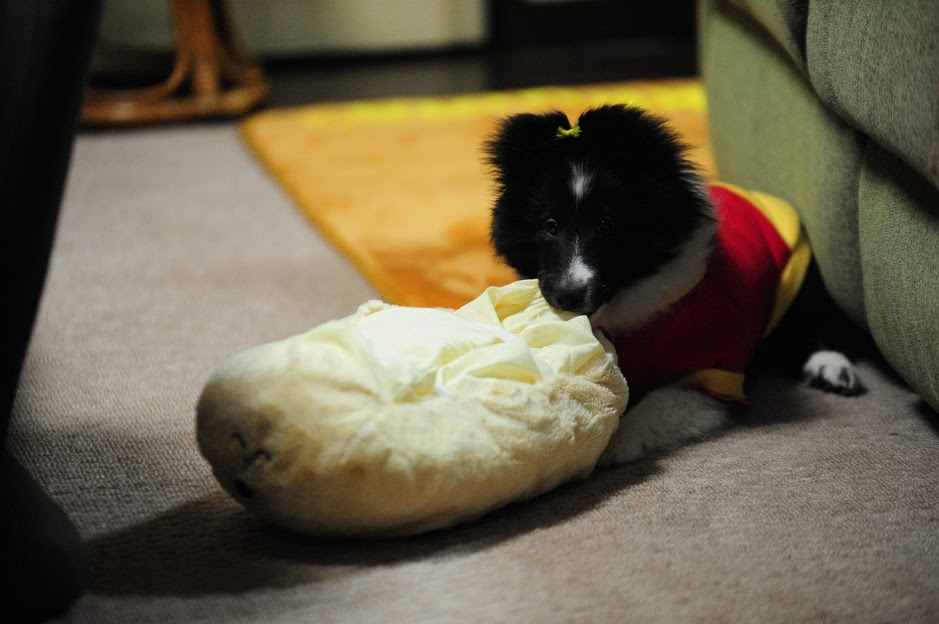
Pet owners tired of their pups and kittens tearing up soft furnishings and making messes are being offered tips to prevent damage to their home.

The money saving team at NetVoucherCodes.co.uk are sharing advice on how to protect household items from ruin on a budget.

Parents of naughty pets can prevent costly damage from cat scratches with spray deterrents and encourage outdoor doggy toilet trips with a loud clap.

Because pets are known for being the best company, the number of new owners has increased over lockdown, but they can make more chaos than bargained for. A few home insurance policies cover pet damage and liability, so it is worth checking details of protection with the provider.

A spokesperson for NetVoucherCodes.co.uk said: “They are cute, funny, and you love them to bits. But, sometimes the furry members of the household can cause the most expensive messes.

“Regardless of if you are a new pet owner or if you have just started noticing new destructive behaviours, these tricks will help save money and protect your household items from chewing, scratching and biting.

“Animals tend to have very short memories, so they won’t connect their past naughtiness with your current yelling or other punishment, so it is best to take more of a tactical approach to prevent damage from happening ahead, saving cash in the long run.”

Tips to prevent animal damage in the home:

1. Chewing

Canines love sinking their teeth into stuff. It is a natural, but annoying habit for dog lovers. To discourage destructive chewing of remote controls, shoes and furniture, owners can make a natural deterrent spray. Dogs will not like the bitter taste of vinegar or citrus oil, but it is harmless to them and will keep them from putting things coated in it in their mouths.

Seeing as chewing is natural, pet parents should make every effort to make DIY chewable toys from old household items. Using materials like old denim, ropes and old t-shirts is a great way to make money go further and give a new lease of life to old items ready for the bin.

2. Inside toilet trips

Puddles of pee and piles of poop are never fun for pet owners. They require lots of time to deep clean and can put costly stains on carpets.

A dirty litter box is one of the first things that sends a cat elsewhere to do their business, so make sure your kitty’s is kept clean and empty.

If it is the dog who always gets caught in the act of doing their business inside the house, try and startle them slightly every time they get caught. A loud clap should stop the pup’s pee mid-stream, allowing owners to lead them outside gently and in an encouraging way.

To prevent repeat offenders, clean accidents with an enzymatic cleanser. It will destroy the odours that are likely to attract your pet back to the same spots.

3. Scratching

Couches and chairs are key targets when kitties want a scratch, but they are often the costliest items in the living area.

To prevent damage from scratching cats, special herbal sprays can be bought at a pet store. They replace the scent of a cat’s territorial “markers” with a smell that is unpleasant to them but is barely noticeable to the human nose.

If the spray doesn’t work, it might be an idea to use a double-side sticky tape strip on particularly problematic areas, as paws are extremely sensitive to touch, making sticky surfaces exceptionally annoying.

If your problematic area for scratches is around doorframes and the wooden legs, consider putting a post made of cedar in their space.

4. Tearing up

Dogs are known for suffering from separation anxiety and vets advise they shouldn’t be left for more than four hours on their own.

Sometimes it is unavoidable, but when dogs are anxious, they are notorious for tearing up anything they can get their paws on or teeth around.

The best way to prevent it is by making sure the pup is too tired to cause a mess when no one is in the house. Tire them out by walking and running before they are alone and leave engaging and interactive puzzles, to mentally stimulate and exhaust them.

5. Rule out medical problems

Sometimes, problematic behaviour from a pet can be a cry for help. It is important to rule out any potential medial issues. Dogs are known for soiling indoors as a result of incontinence problems, but also because of a change in diet, new medications, gastrointestinal upset or anxiety issues.

Cats often produce more urine and have more accidents when they are suffering from urinary tract infections or even kidney failure.