More than 7555 children in Edinburgh to benefit from the doubling of Scottish Child Payment

SNP MSP Gordon MacDonald, has welcomed the First Minister’s announcement that the Scottish Child Payment will be doubled from April 2022.

The announcement will see at least 7555 eligible children across Edinburgh receiving £20 per week per child from spring next year, with more than 106,000 children across Scotland immediately benefitting from the increased payment.

Since the launch of the Scottish Government payment on 15 February 2021, £2,036,820 has been issued in payments to families in Edinburgh.

It is now expected that over 400,000 children could be eligible for the doubled payment by the end 2022, which is when the benefit, which is unique in the UK, will be extended to children under the age of 16.

SNP MSP for Edinburgh Pentlands, Gordon MacDonald said: “I am delighted that at least 7555 children across Edinburgh will have their Scottish Child Payment doubled in just four months time. This will give £20 per child per week to 7555 children in Edinburgh – four times the amount originally demanded by campaigners.

“The Scottish Government’s national mission to tackle child poverty is absolute – with £2,036,820 having been provided to families across Edinburgh since February, and almost £32 million across Scotland as a whole.

“The doubling of the Scottish Child Payment to £20 is the type of bold action that makes a real difference to people’s lives and shows how focussed the Scottish Government is on meeting Scotland’s Child Poverty targets.

“Once again, the tale of two governments is striking. While the SNP are doubling the Scottish Child Payment to lift thousands of children out of poverty, the Tories at Westminster have just cut £20 per week from many of the same families – knowingly pushing thousands of families into poverty.

“The people in Edinburgh deserve the chance to escape the damaging policies we get under Westminster control and get the chance to choose a better path, one with the full powers that an independent Scotland would bring and allow us to build a fairer society.”

Scottish Child Payment to be doubled, First Minister confirms

The Scottish Child Payment will be doubled to £20 per week per child from April 2022, the First Minister has announced. The decision has been welcomed by poverty camapigners.

First Minister Nicola Sturgeon confirmed that more than 105,000 children will immediately benefit from the increased payment, which supports low income families with children aged under 6.

First introduced in February 2021 as a £10 per week payment designed to tackle child poverty, it provides regular, additional financial support for eligible families.

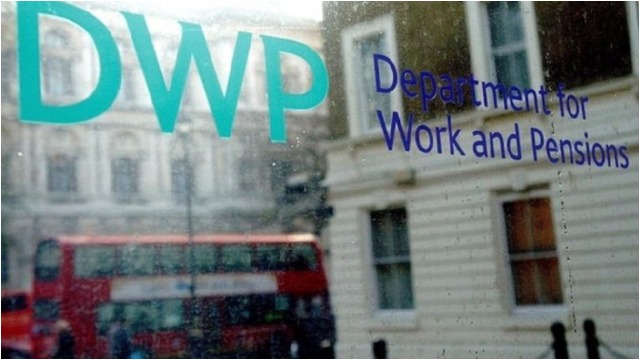
The benefit, which is unique in the UK, will be fully rolled out to children under the age of 16 by the end of 2022, subject to data on qualifying benefits being received from the Department of Work and Pensions. It is expected over 400,000 children could be eligible for the doubled payment from that point.

From 2023/24 it will represent an annual investment in tackling child poverty of around £360 million a year. The increase to £20 per week further underlines the Scottish Government’s national mission to tackle child poverty.

The First Minister said: “The Scottish Government is determined to lift children out of poverty.

“Of the £2 billion a year that the Scottish Government invests to support people on low incomes, over £670 million is already targeted at children. Through the range of new payments delivered by Social Security Scotland, low income families receive, in the early years of each child’s life, £5,000 of additional financial support.

“At the heart of this is the Scottish Child Payment – the only payment of its kind anywhere in the UK, designed solely to lift children out of poverty and give them better lives. The £10 per week payment for eligible children under age 6 will be extended to all eligible children under 16 at the end of 2022; and we committed to doubling the payment to £20 per child per week within this Parliamentary term.

“I am proud that our budget will confirm that we will double the Scottish Child Payment from the start of the new financial year. This increase to £20 per child per week will reach over 105,000 children under age 6 in just four months’ time.  When we extend the Scottish Child Payment to all under 16s at the end of next year, over 400,000 children and their families will be eligible.

“This is the boldest and most ambitious anti-poverty measure anywhere in the UK. Delivering it isn’t easy. It will involve hard choices elsewhere in our budget. But it is a choice we are opting to make.

“Eradicating child poverty is essential if we are to build the strongest foundation for Scotland’s future. And that is what we are determined to do.”

Scottish Government Minister and Scottish Green Party Co-Leader Patrick Harvie said: “With rising inflation, energy costs and the recent UK Government cuts to Universal Credit, further action to tackle child poverty could not have been more urgent.

“I’m therefore delighted that the Scottish Government has been able to double the Scottish Child Payment from April, just months after our policy of free bus travel for children and young people goes live.

“These bold actions deliver on key commitments made in the cooperation deal between the Scottish Government and the Scottish Green Party, and will make a real difference to families across Scotland.”

Scottish Greens MSP Lorna Slater said the decision will be pivotal to tackling child poverty in Lothian. 

Ms Slater said: “With a new Covid variant, rising energy costs, inflation and the catastrophic impact of a Tory Brexit being felt, it is more important than ever that we do everything we can to help people that are being hit by Westminster’s cuts and austerity.

“That is why I’m delighted that we will see the Scottish Child Payment doubled in the forthcoming Scottish budget. This will be pivotal to tackling child poverty and will be welcomed by families that are feeling stretched, particularly those that have been hit by Boris Johnson’s punishing Universal Credit cut.

“With Greens in government we are delivering for people and the planet and making a real difference to families in Lothian and beyond.” 

“That is why we are introducing free bus travel for everyone under 22 from January, extending free school meals to all primary school pupils and ensuring that government contracts pay the real living wage. We will continue to work towards a fairer, greener Scotland.” 

Social Security Scotland delivers a number of benefits for families. These include Best Start Grant Pregnancy and Baby Payment, Early Learning Payment, School Age Payment and Best Start Foods.

The newly doubled Scottish Child Payment, together with the three Best Start Grant payments and Best Start Foods, could give families up to £8,400 by the time their first child turns 6.

Campaigners have welcomed the announcement:

Chris Birt, Associate Director for Scotland at Joseph Rowntree Foundation said: “This is very welcome news that will provide vital support for families with young children following what is expected to be a challenging winter as the cost of living continues to rise. Doubling the payment for older children cannot come soon enough. 

“As we noted in our Poverty in Scotland report, this investment alone will not be enough to meet the interim child poverty targets, but it is an important step in the right direction and will make a real difference to families.”

MSP welcomes rollout of Child Disability Payments

SNP MSP for Edinburgh Pentlands, Gordon MacDonald, has welcomed the Scottish Government’s rollout of financial support for families of children with a disability.

The new payment, which provides money to help with the extra costs of caring for a child with a disability or ill-health condition, opens for applications across the country today.

For the first time anywhere in the UK, disability benefit applicants can apply for Child Disability Payment online, as well as by phone, post or face-to-face.

As the Child Disability Payment replaces the UK Government’s Disability Living Allowance for children, this is for new applications. Those already receiving Disability Living Allowance for children do not need to apply.

These approximately 52,000 current cases are being automatically transferred in phases from the Department for Work and Pensions to Social Security Scotland and will be completed by spring 2023.

This is the first of three complex disability benefits to be introduced by the Scottish Government, with Adult Disability Payment to start next year.

Commenting on the rollout Gordon MacDonald, said: “The Child Disability Payment is a significant milestone for Scotland’s new social security system.  

“I’m extremely pleased that families across Edinburgh will benefit from a simplified and much less stressful system that allows them to apply for the payment online, by phone, by post or face to face. For too long families have faced an overly complicated process that feels like it’s been designed to keep them out.

“I’m glad that people both here in Edinburgh, and right across Scotland, are benefitting from an SNP Government that is putting dignity, fairness and respect at the heart of its social security system.”

Lothian MSP calls for change to Social Security

Foysol Choudhury MSP has called on the Scottish Government to be ambitious in its approach to Social Security.

During a Holyrood debate ‘’Accessing Scottish Social Security Benefits’’, he called for the rise of the Scottish Child Payment to £40 a week in 2022/23, given that over a quarter of Scottish children now live in poverty in Scotland. He also called for a raise to the 20-metre rule. Currently, if you can walk one step over 20 metres you cannot access the enhanced rate of mobility support.

MS Society Scotland has also called for the extension of the rule say that it has acted as a barrier to people with MS accessing social security benefits.

Mr Choudhury asked if the Government was prepared to change the eligibility criteria.

Commenting after the debate, Foysol Choudhury MSP said: “Scotland needs to be ambitious. The devolution of welfare powers gives us the chance to shape what kind of society do we want to be.

‘’The chance to restore dignity and respect to the heart of the social security system, yet now we know that the delay of the SNP has only halted the progress and affects the potential benefit takeup for Scotland.’’

Foysol Choudhury’s speech in full:

Thank you Presiding Officer and it gives me great pleasure to speak in today’s debate.

Presiding Officer, the devolution of welfare powers gives us the chance to shape what kind of society do we want to be. The chance to restore dignity and respect to the heart of the social security system, yet now we know that the delay of the SNP has only halted the progress and affects the potential benefit takeup for Scotland.

There can be no doubt that Covid-19 has hit low-income families and the most vulnerable disproportionately hard, deepening poverty and dragging more families into financial insecurity.  Today half of the families in poverty have a member who is a disabled person and even before the pandemic, child poverty rates were high and projected to rise further.

The over next decade, Scotland must be bold, must be willing to use the full levers of powers to transform if we are to meet our targets on child poverty and live up to our ambitions of being a nation that respects, protects and fulfils human rights and where we can all achieve our potential.

We can start of course with the Scottish Child payment, something that has continued to be on the minds of the chamber thanks to the efforts of my friend and colleague, Pam Duncan Glancy.

Just over a quarter of Scottish children live in poverty in Scotland. 260,000 children, right now in 2021.  That’s something that should shame us all. We talk a lot, but this Parliament needs to seriously get ambitious for Scotland’s children.

Let’s raise the Scottish Child Payment to £40 a week in 2022/23. Let’s ensure that every kid in Scotland have a good quality of life, without the people that love them having to worry about where the money is coming from.

Even with the full rollout, the Scottish Government is likely to miss their interim child poverty target by six percentage points – leaving an extra 50,000 children in poverty. From the end of the furlough, the cruel cut to Universal Credit thanks to the Tories, and the Scottish Government delays to rolling out and increasing the Child Payment have squeezed Scottish family incomes when they are already having to deal with the economic shocks dealt by the pandemic. We can and must do better.

Presiding Officer, for those with lifelong conditions, they look to this chamber and ask, ‘how are you going to defend me’?

Those with MS for example are looking for hope. The MS Society, Labour and many organisations are all calling for the removal of the 20-metre rule from the proposed Adult Disability Payment. The Scottish Government are replacing PIP with ADP and as part of this new benefit, the Government has largely replicated the PIP eligibility criteria, including retaining the 20-metre rule as part of the assessment criteria for ADP.

A Citizens Advice Scotland Survey in 2021 found that a majority of Bureaux advisers working to help people with disabilities navigate the social security system agree that the 20 metre rule should be extended to 50 metres. 

Presiding Officer, for those who don’t know that the 20-metre rule is, it was introduced as part of the eligibility criteria to access Personal Independence Payment. Under the rule, if you can walk one step over 20 metres you cannot access the enhanced rate of mobility support.

Fatigue, both physical and mental is one of the most debilitating symptoms of MS and other neurological conditions. The rule does not consider the severity of fatigue many will experience after walking 20 metres.

So, I would be grateful if the Government can respond to concerns raised by those who have MS. Is the Government prepared to change the eligibility criteria. Because those claiming disability payments deserve dignity and respect.

Presiding Officer, the social security system we shape in this Parliament must ensure no one is held back by poverty and inequality.  Scottish Labour would use all the powers we have here in Scotland to make sure that people have the support they need to participate fully in society.

The social security system Labour would build to secure the wellbeing and human rights of everyone and seek to guarantee a Minimum Income Standard that no one would fall below. Having a strong, adequate and automated SSS will lead to higher levels of takeup.

Scottish Labour will build a social security system based on the principles of Adequacy, Respect and Simplicity. Those are the principles that will guide me as we come together to shape our Social security for Scotland to ensure it works for all.

Maximising incomes and increasing access to benefits

Ensuring social security benefits are accessible to all who are eligible will be vital in helping people on low incomes deal with the aftermath of the pandemic, Social Justice Secretary Shona Robison has said.

Scotland’s new benefit take-up strategy outlines plans to make sure that nobody misses out on financial support due to a lack of awareness or barriers to applying.

Actions from the strategy, which builds on learning from the first in 2019, include:

  • working with partners to improve targeting of information and advice
  • challenging myths and stigma around claiming benefits
  • continuing to remove barriers to accessing social security in Scotland

The Scottish Government will also explore the introduction of automatic payment for certain devolved social security benefits to make it as easy as possible for people to maximise their incomes.

Ms Robison said: “Social security is a collective investment in building a better and fairer society and part of that is ensuring people are aware of, and can access, the financial support to which they are entitled.

“The pandemic has made us even more aware of the importance of a strong social security safety net – alongside skills, employment and childcare support – and our new benefit take-up strategy sets out how we will ensure we reach those in need.

“We have seen good levels of take up of the Scottish Child Payment and Best Start Payments, which support families on low incomes, with initial estimates ranging between 77% and 84%. As part of our national mission to tackle poverty we are determined that everybody should be able to access payments they are due.

“We will invest £10 million over this Parliament to increase advice services with a focus on providing these in accessible settings and targeting families.

“This investment will support our ambition to maximise incomes, tackle poverty and improve wellbeing, and this will be more vital than ever as we continue our recovery from COVID-19.”

The 2021 Benefit Take Up Strategy builds on learning from the first strategy, published in 2019.

Dragged Down By Debt

JRF Study reveals scale of debt crisis among low-income households

  • Number of low-income households in arrears has tripled since pandemic hit 
  • 4 in 10 working-age low-income households fell behind on bills during pandemic 
  • Millions are behind on rent and bills and have had to take on new borrowing 
  • JRF calls for urgent action to support low-income families through cost-of-living crisis and prevent worsening wealth inequality 

A large-scale study of households on low incomes has revealed the extent of the debt crisis hanging over the UK’s poorest families as the country braces to weather a cost-of-living crisis. 

The analysis by the Joseph Rowntree Foundation (JRF) looks at households in the bottom 40% of incomes in the UK – those with a household income of £24,752 or less. This represents around 11.6 million households.  

It estimates that 3.8 million such households are in arrears with household bills, totaling £5.2bn. 950,000 are in rent arrears; 1.4 million are behind on council tax bills; and 1.4 million are behind on electricity and gas bills. 33% of low-income households are now in arrears, which is triple the 11% estimated by a similar study prior to the pandemic.   

Working-age households on low incomes (those aged 18-64) have been particularly hard hit: 44% are in arrears. For households aged 18-24 this rises to almost three-quarters (71%) of people being in arrears. 

The survey shows clear signs that the profound financial impact of the pandemic has dragged families who were previously just about managing into arrears on essential bills. A large majority of households who are now behind on their household bills (87%) said that they were always or often able to pay all their bills in full and on time before the pandemic hit.  

This is not surprising given people on low incomes were more likely to lose income during the pandemic due to job loss, reduced hours or being furloughed. Even before recent energy price rises began to bite, six in ten households on low incomes (62%) reported that their costs increased during the pandemic.  

The other clear trend in the survey is the increased borrowing taken on by households on low incomes. Around 4.4million such households have taken on new or increased borrowing, and their total amount of borrowing comes to an estimated £9.5bn. 69% of households with new or increased borrowing are also in arrears. 

 The study highlights groups that have been hit particularly hard. Over half of the households in the following groups have been pulled into arrears: 

  • Families with children (55%),  
  • Households in London (55%),
  • Households with a person under 45 answering the survey (56%),  
  • Black, Asian and minority ethnic households (58%) 

Many families on low incomes are still reeling from the huge £20 per week cut to Universal Credit and Working Tax Credit earlier in the month. It is worrying that the survey was conducted in September when many of the households surveyed received the uplift which has now been removed. 

Energy bills and other costs are continuing to rise, with the price of energy projected to soar further in the coming months. An increase in National Insurance contributions next April is another extra cost many working people will face.

Of the households surveyed who receive Universal Credit, 40% are not confident they will be able to pay their bills in full and on time, while 35% don’t think they will be able to avoid taking on more debt. Half (50%) of these households say they do not feel confident they can find a job or work more hours, calling into question the Government’s insistence on jobs as the only solution. 

The comparison between how poorer and wealthier households have fared during the pandemic is striking. The Bank of England found that wealthier households have tended to accumulate savings during the pandemic. 

These households were more likely to stay in work and to be able to work from home, reducing daily costs, and to save money during lockdown due to enforced saving. Homeowners also benefited from rising house prices. 

JRF is urging the Government to put in place a package of support at the Budget to ease pressure on low-income households and prevent further debt. 

As well as urging the Government to reinstate the £20 in Universal Credit, the report also recommends that the Government provide at least £500m additional grant funding via the Household Support Fund for targeted debt relief. 

It is also essential to address the systemic drivers of debt including through writing off Tax Credit debts when people move onto Universal Credit and addressing Universal Credit advance repayments that many households have no option but to take on during the five-week wait for the first payment.

This flaw in the design of the benefit has long been criticised by food banks and anti-poverty groups for causing ‘destitution by design.’ 

Katie Schmuecker, Deputy Director for Policy & Partnerships at JRF said: “There is a debt crisis hanging over millions of families on low incomes. Behind these figures are parents gripped by anxiety, wondering how they will put food on their children’s plates and pay the gas bill; young people forced to rely on friends to help cover their rent and avoid eviction.  

“While many households on higher incomes have enjoyed increased savings and rising house prices during the pandemic, people on low incomes are under serious financial pressure that shows no sign of abating. As a society, we believe in protecting one another from harm. As costs pile up and incomes have been cut, we urgently need to rethink the support in place for people at the sharp end of the cost of living crisis.  

“The Budget is about priorities. We know the Chancellor is capable of taking bold action to protect people from harm when it is required. Reinstating the £20 per week increase to Universal Credit and boosting funding for councils to tackle debt must be priorities in next week’s Budget. We must give families the firm foundations they need to flourish and take part in our economic recovery.” 

Biggest ever overnight cut to social security “makes a mockery of levelling up”

This morning, around 5.5 million families across the United Kingdom are waking up £1,040-a-year worse off due to the Prime Minister imposing the biggest ever overnight cut to social security.

Despite fierce opposition from across the political spectrum, his government has pressed ahead with this controversial cut which will cause immense, immediate and avoidable hardship.

As the cut comes into effect today, the Prime Minister must face the five most serious consequences of his cut:

  1. Half a million more people pulled into poverty, including 200,000 children.
  2. Makes social security wholly inadequate by reducing the main rate of out-of-work support to its lowest level in real terms since around 1990 and its lowest ever level as a proportion of average earnings.
  3. Around 20% of all working-age families across the UK have lost £1,040 a year. 6 in 10 single parent families will be affected by this cut.
  4. 1.7 million people who will experience this cut to Universal Credit are unable to work – due to caring for others, disability, or illness – a promise of higher wages will do nothing to help them.
  5. The cut takes £6 billion of spending power out of local economies. The cut has the most severe impact in Yorkshire and the Humber, the North East, North West and West Midlands, although no region will be left unscathed.

Helen Barnard, Deputy Director of the Joseph Rowntree Foundation, said: “Today the Prime Minister has imposed the biggest ever overnight cut to social security. It makes a mockery of his mission to level up.

“Despite overwhelming opposition, he is ploughing ahead with a cut which fundamentally undermines the adequacy of our vital social security system as we face a cost-of-living crisis. This is not building back better, it’s repeating the same mistakes made after the last financial crisis.

“The Government says a key test of levelling up is improving living standards, yet they have just made around 5.5 million low-income families £1,040 a year worse off. People’s bills won’t get £87-a-month cheaper from today, in fact they are going up.  Ministers’ arguments in recent days beg the question: has the party that created Universal Credit forgotten the purpose of the system?

“The Prime Minister is abandoning millions to hunger and hardship with his eyes wide open. Low-income families urgently need him to reinstate this vital lifeline.”

Participants in the Covid Realities project responding to the Prime Minister’s comments on the eve of the cut:

“My husband has been in his job for 25 years +, he hasn’t received a pay rise in 5 years and has recently been told there’s no way he will get one anytime soon.

So I’m sorry but there’s no fix there for us. Once again the only option is to struggle and I’m tired of it.” – Emma, England, Covid Realities

“He has no idea how tough it is and how hard people are working to make ends meet!

It is sickness inducing that he completely misses the point that families will either be cold or hungry due to this cut.” – Kim, Wales, Covid Realities

“Fuel and food is on the increase and … families on a low income cannot afford to absorb these costs.

“It is short-sighted to not think of the long term costs involved when already impoverished working families cannot sustain themselves.” – Aurora, England, Covid Realities

“So our prime minister has said he knows it is tough for people on low incomes, does he honestly? … How as parents can we support our children when we are going without food, hungry and unable to concentrate and even sleep at night with worry and stress, do you really understand?

 … I would invite any MP to come and actually experience the day to day drain of living on low income and the impact that has on our mental and physical wellbeing.” – Caroline, Northern Ireland, Covid Realities 

Political consequences:

  • 413 parliamentary constituencies across Great Britain will see over a third of working-age families with children hit by the planned £1,040-a-year cut to Universal Credit and Working Tax Credit.
    • Of these 413 constituencies, 191 are Conservative – 53 of which were newly won at the last general election or in a subsequent by-election.
  • In 35 local authorities across Great Britain, 50% or more of working-age families with children will be impacted by the planned cut.

“THE NASTY PARTY IS WELL AND TRULY BACK”

Edinburgh Pentlands SNP MSP Gordon MacDonald has condemned the £20 a week cut to Universal Credit, which comes into force today. The First Minister of Scotland, the First Minister of Wales and the First Minister of Northern Ireland have also condemned the measure.

The previous week, the Scottish Parliament voted overwhelming to support cancelling the Tory UK Government’s planned £20 a week cut to Universal Credit.

Gordon MacDonald also raised the matter with the Cabinet Secretary for Social Justice, Housing and Local Government, Shona Robison seeking information on what representations the Scottish Government has made to the UK Government.

Ms Robison confirmed that the Scottish Government had written to the UK Government on eight separate occasions since March 2020 to ask it to retain the much-needed £20 uplift. In addition on 30 August, Ms Robison joined colleagues from Wales and Northern Ireland to write to the UK Government to urge it to retain the uplift. They are yet to receive a response.

SNP MSP Gordon Macdonald for Edinburgh Pentlands said: “The Scottish Parliament overwhelmingly spoke and demanded the Tory UK Government halts their plans to scrap the uplift to Universal Credit.

“Sadly, we also witnessed every single Tory MSP failing to stand up to their Westminster bosses in opposing the £20 a week cut – the biggest welfare cut since the 1930s at the worst possible time.  Even former Scottish Tory leader, Ruth Davidson and six former Tory DWP Secretary of States, opposed the cut.

“I am standing up for the 32,022 households impacted across Edinburgh, but the Tory Government at Westminster has now implemented their plans that will rip more than £1,000 a year out of the hands of the most vulnerable at a time when they need it most.

I am quite frankly shocked, but not surprised, that the Scottish Tory MSPs not only voted to back the Universal Credit cut which will condemn thousands of families to poverty, but actively defended it – the Nasty Party is well and truly back.

“History will remember them for this – Scottish Tory MSPs are letting down thousands of families and children with this callous cut in favour of propping up their Tory chums in the UK Government who are imposing these policies on the people of Scotland.

“This demonstrates once again how the people of Scotland cannot afford to continue to suffer under Westminster control. We need to have the option of choosing a different path in a referendum which can give us the full powers of independence where we can build a fairer Scotland.”

JRF: The Chancellor may say he has a plan for jobs – but he has no plan for paying the bills

Chancellor of the Exchequer Rishi Sunak made the keynote speech at the Conservative Party conference in Manchester yesterday. On the week the Tories will cut the £20 Universal Credit lifeline, the Chancellor told the conference:

Whatever it takes.

That phrase, and those press conferences, were my introduction to so many of you as Chancellor.

It was daunting to face such a challenge in my first days in office. And what it also meant is that more than a year has gone by before I had the chance to meet you all properly. And that is why these last few days have been such a joy. Meeting you all face to face and hearing so many of you say to me “Wow, you’re even shorter in real life!”

Nothing can ever prepare you to become Chancellor, especially in recent times. There have been occasions where it really did feel that the world was collapsing. In those moments, there are certain things I fell back on. Yes, my family. Yes, my colleagues. Yes, my tremendous Treasury team.

And yes, the person who made all this possible, the person who delivered a thumping Conservative majority, my friend, our leader, the country’s Prime Minister, Boris Johnson.

But the other thing I fell back on is something we all have in this room. Our values. Our Conservative values.

I believe in some straightforward things.

I believe that mindless ideology is dangerous. I’m a pragmatist. I care about what works, not about the purity of any dogma. I believe in fiscal responsibility. Just borrowing more money and stacking up bills for future generations to pay, is not just economically irresponsible. It’s immoral.

Because it’s not the state’s money. It’s your money.

I believe that the only sustainable route out of poverty comes from having a good job. It’s not just the pounds it puts in your pockets. It’s the sense of worth and self-confidence it gives you. So I will do whatever I can to protect people’s livelihoods, and create new opportunities too.

And when it comes to those new opportunities, I am very much a child of my time. I spent the formative years of my career working around technology companies in California. And I believe the world is at the beginning of a new age of technological progress which can transform jobs, wealth, and transformed lives.

So: pragmatism. Fiscal responsibility. A belief in work. And an unshakeable optimism about the future. This is who I am. This is what I stand for. This is what it will take. And we will do whatever it takes.

Our Plan is Working

And there can be no prosperous future unless it is built on the foundation of strong public finances.

And I have to be blunt with you. Our recovery comes with a cost.

Our national debt is almost 100% of GDP – so we need to fix our public finances. Because strong public finances don’t happen by accident. They are a deliberate choice. They are a legacy for future generations. And a safeguard against future threats.

I’m grateful, and we should all be grateful to my predecessors and their 10 years of sound Conservative management of our economy. They believed in fiscal responsibility. I believe in fiscal responsibility. And everyone in this hall does too.

And whilst I know tax rises are unpopular. Some will even say un-Conservative. I’ll tell you what IS un-Conservative.

Unfunded pledges.

Reckless borrowing.

And soaring debt.

Anyone who tells you that you can borrow more today, and tomorrow will simply sort itself out just doesn’t care about the future.

Yes, I want tax cuts. But in order to do that, our public finances must be put back on a sustainable footing.

Labour’s track record on the public finances speaks for itself.

Since 2010, we’ve had 5 Labour Leaders, 7 Shadow Chancellors and innumerable spending pledges. And in all that time they still haven’t got the message. The British people won’t trust a Party that isn’t serious with their money. That’s why they vote Conservative.

We must never forget that the fundamental economic differences between us and Labour run very deep.

Differences not just about debt and borrowing but about how to deal with the real pressures people face in their lives.

And right now, we are facing challenges to supply chains not just here but right around the world and we are determined to tackle them head on.

But tackling the cost of living isn’t just a political sound bite. It’s one of the central missions of this Conservative government.

Picture this: you’re a young family. You work hard, saving a bit each month. But it’s tough.

You have ambitions for your careers for your children.

You want to give them the best more than you had.

Now you tell me: Is the answer to their hopes and dreams, just to increase their benefits?

Is the answer to tell that young family the economic system is rigged against you, and the only way you stand a chance is to lean ever more on the state?

Be in no doubt, that is the essence of the Labour answer.

Not only does Labour’s approach not work in practice. It is a desperately sad vision for our future.

But there is an alternative. An approach focused on good work, better skills, and higher wages.

An approach that says: ‘Yes, we believe in you. We will help you. And you will succeed.”

And better still, it’s more than words. It’s a plan in action. A Conservative plan and Conference it is working.

We’re giving people the means and opportunities to help themselves

Governments rarely get to set the tests by which they will ultimately be judged.  

And our test is jobs.

Remember, as economies around the world pulled the shutters down, forecasters were predicting unemployment to reach 12%. Millions of people were on the precipice of losing their jobs, their livelihoods, and their homes.

Well, the forecasts were wrong.

The unemployment rate is at less than 5% and falling. That’s lower than France, America, Canada, Italy, and Spain.

And we now have one of the fastest recoveries of any major economy in the world.

Now it wasn’t that the forecasters had bad models No. It’s just their models did not take account of one thing – and that was this Conservative Government. Our will to act and our plan to deliver.

An increased national living wage. The restart programme. Sector based work academies. Doubling work coaches. Job finding support. Traineeships. Apprenticeship incentives. Skills Bootcamps.  And the Prime Minister’s Lifetime Skills Guarantee.  

All things we are doing that won’t just help people but will give them the means and opportunities to help themselves. ‍

Our plan for the future

I believe in good work, better skills, and higher wages.

I believe that every person in this country has the potential to become something greater.

And I know that we, and only we, the Conservative party, are the ones who can make that happen.

And our economy cannot be what we need it to be without the courage, creativity and sheer force of will that each new generation brings.

Yet, at its peak just under 1 in 3 workers under 25 were on furlough. One in three.

That’s one million people who didn’t have the fall back of a career history or a network of contacts, and in many cases hadn’t even moved into their first job.

And so what did we do? We created the Kickstart scheme, up running and working in a matter of months. A landmark programme that is helping young people start exciting new careers.

And thanks to our plan, young people, just like John Chihoro who introduced me today, are starting those new jobs in their thousands.

So to give more young people the same chance as John, I can confirm we are expanding our successful Plan for Jobs into next year.

The Kickstart scheme extra support through the Youth Offer, the Job Entry Targeted Support scheme, and our Apprenticeship Incentives. All extended because we believe in the awesome power of opportunity.

And we are going to make sure that no young person in our country is left without it.

But what we do today means little if we don’t also have a plan for tomorrow.

A plan for the future.

A future economy shaped by the forces of science, technology, and imagination.

The years I spent in California left a lasting mark on me, working with some of the most innovative and exciting people in finance and technology. Watching ideas becoming a reality. Seeing entrepreneurs build new teams.

It’s not just about money.

I saw a culture, a mindset which was unafraid to challenge itself, reward hard work, and was open to all those with the talent to achieve.

The future is here

I look across the United Kingdom and that culture is here too in the young people I’ve already spoken about today, unencumbered by timidity and orthodoxy.

And it’s there in our willingness to take risks not just on companies, but on people.

People with the raw potential to create a wave of the most dynamic high growth companies. A wave that will reach the farthest corners of the world.

That optimism, that unshakeable belief that the future, can be different and better was also at the heart of Brexit.

I remember over five years ago being told that if I backed Brexit my political career would be over before it had even begun.

Well, I put my principles first. And I always will.

I was proud to back Brexit. Proud to back Leave.

And that’s because despite the challenges in the long term, I believed the agility flexibility and freedom provided by Brexit would be more valuable in a 21st century global economy than just proximity to a market.

That in the long term a renewed culture of enterprise willingness to take risks and be imaginative would inspire changes in the way we do things at home.

Brexit was never just about the things we couldn’t do. It was also about the things we didn’t do.

That’s why we introduced the super deduction, a UK first in tax policy which is triggering an explosion in capital investment.

That’s why we created the Help to Grow scheme another UK first to help small and medium sized companies digitize skill up and scale up.

That’s why we launched the Future Fund another UK first in government investment backing high potential start-ups.

My point is this: even if you can’t see it yet, I assure you, the future is here.‍

Now is the time to turn to the future

Last year alone the UK attracted more venture capital investment to our startups than France and Germany combined.

And along with enhanced infrastructure and improved skills, we are going to make this country not just a Science Superpower, not just the best place in the world to do business… I believe we’re going to make the United Kingdom the most exciting place on the planet.

Take Artificial Intelligence. Once the stuff of science fiction. Now it’s reality – and we’re a global leader.

The steam engine kicked off the industrial revolution. Computers delivered automation. The internet brought information exchange.

And as the latest general-purpose technology, AI has the potential to transform whole economies and societies.

If Artificial Intelligence were to contribute just the average productivity increase of those three technologies, that would be worth around £200 billion a year to our economy.

And so today, I am announcing that we will create 2,000 elite AI scholarships for disadvantaged young people and double the number of Turing AI World-Leading Research Fellows, helping to ensure that the most exciting industries and opportunities are open to all parts of our society.

New policy, focused on innovative technology, supporting jobs for the next generation, a sign of our ambition for the future.

Because that’s why we are here. All of us. That’s why we became members of the Conservative party.

That’s why you all give up so much of your time sacrificing things that are important to you in order to help build a better future.

You know, the longer I spend in this job, the more I realise that the worst parts of politics are driven by fear. Fear of change. Fear of losing. The fear of being wrong. Even fear of the future.

And when people get scared they create divisions. They say: “you’re either with us or you’re with them.” But you cannot make progress if you’re pitting people against each other.

That’s what you get from a tired, fearful sort of politics. We saw it last week in Brighton.

It’s not just that Labour don’t like us. They don’t even like each other.

Whereas we, the Conservatives, are now and always will be the party of business and the party of the worker.

The party of the private sector and the public sector.

A party for the old and the young.

The British people want a party that can get things done.

So, at just the moment when it feels like we’ve done enough, that we’ve gotten through, that we can take a rest, we must not stop.

Now is the time to show them that our plan will deliver.

And now is the time, at last, at long last, to finally turn to the future.

Thank you.

Responding to the Chancellor’s speech at Conservative Party Conference, Helen Barnard, Deputy Director of the Joseph Rowntree Foundation, said: “The Chancellor may say he has a plan for jobs but he has no plan for paying the bills.

“He spoke of doing whatever it takes to protect people’s livelihoods, yet he is cutting the incomes of around 5.5 million families by £1,040 a year on Wednesday when we are facing a cost of living crisis.

“It is completely wrong to suggest there is a trade-off between good jobs and adequate social security when they are both essential to improving people’s living standards.”

“This cut will impact many working families and inadequate social security makes it harder for people to seize opportunities whilst they struggle to stay afloat. We must ensure people who are sick, disabled or caring for others and therefore unable to work can meet their needs with dignity.

“To impose the biggest ever overnight cut to social security would be economically irresponsible which is why it is so fiercely opposed from across the political spectrum. The Government can’t credibly claim to be levelling up while levelling down people’s incomes. He must abandon this cut.”

First Ministers urge PM Boris Johnson: Do the right thing

First Minister Nicola Sturgeon has joined with the First Minister of Wales and the First Minister and deputy First Minister of Northern Ireland to demand Prime Minister Boris Johnson “do the right thing” by reversing the decision to withdraw the £20-a-week uplift to Universal Credit.

In a rare joint intervention, the leaders of the devolved nations have warned in a letter that the UK Government “is withdrawing this lifeline just as the country is facing a significant cost-of-living crisis.”

They have urged the Prime Minister to “consider the moral, social and economic harms” of the of this cut, and “do the right thing” and reverse his government’s decision to withdraw this funding which will harm around 6 million people across the UK.

The First Minister, along with Welsh First Minister Mark Drakeford and Northern Ireland First Minister and deputy First Minister Paul Givan and Michelle O’Neill say the move, which comes into effect this Wednesday, 6 October, is short sighted at a time of increases in the cost of food and fuel, rising inflation, the end of the furlough scheme, and imminent rise in National Insurance contributions.

First Minister Nicola Sturgeon said: “I do not think there has been anything quite so morally indefensible in UK policy in recent times as the proposed cut to Universal Credit.

“At a time when we are facing the impact of the pandemic, Brexit and soaring costs, removing £20 per week from the lowest-income households simply cannot be defended in any way, shape or form.

“The planned cut represents the biggest overnight reduction to the basic rate of social security in more than 70 years and would sever a crucial lifeline for countless households across the UK at a time when budgets are already facing an unprecedented squeeze.

“It is an immoral, ill-thought out and ultimately counterproductive policy which simply must be stopped.  

“Those on low incomes are going to find it difficult to feed their children, heat their homes, and pay their rent if the cut goes ahead. We have therefore united as the leaders of Scotland, Wales and Northern Ireland to say to the Prime Minister: ‘Do not do this.’”

The full text of the letter is included below:

Dear Prime Minister

We are writing to call on you, with the utmost urgency, to reverse your Government’s short-sighted decision to withdraw the £20-per-week uplift to Universal Credit.

Your Government is withdrawing this lifeline just as the country is facing a significant cost-of-living crisis. This winter millions of people are facing an untenable combination of increases to the cost of food and energy, rising inflation, the end of the furlough scheme, and an imminent hike to National Insurance contributions.

There is no rationale for cutting such crucial support at a point when people across the UK are facing an unprecedented squeeze on their household budgets.

Within the last month, an overwhelming majority of elected members in Holyrood, the Senedd, Stormont and Westminster have voiced their opposition to this cut to Universal Credit, as have the four social security committees of each parliament. The four Children’s Commissioners of each nation, numerous charities and faith groups have also expressed their grave concerns as have millions of people who face additional and unnecessary hardship because of this cut to Universal Credit against the backdrop of a winter of hardship.

We note your Government’s announcement of a Household Support Fund – an acknowledgment that too many people will be unable to make ends meet this winter. Unfortunately, a £500 million fund handed out on a discretionary basis is wholly inadequate to making up the £6 billion shortfall in social security expenditure that will result from the cut to Universal Credit.

Your Government has repeatedly refused to conduct any impact analysis on the biggest overnight reduction to the basic rate of social security for more than 70 years.

As such, it is important that we draw your attention to the growing body of evidence and analysis about the harm this cut will inflict. Research by the Resolution Foundation and the Trussell Trust has highlighted the significant and devastating impact the cliff-edge withdrawal of the £20-a-week uplift to Universal Credit will have on family incomes, with an associated rise in food insecurity.

The Legatum Institute has produced sobering analysis highlighting that the £20-per-week uplift has kept 840,000 people, including 290,000 children, out of poverty in Q2 of 2021. It makes no sense at all to knowingly pursue a policy that will result in this immense and needless rise in child poverty and we ask you to consider the lasting harm and costs of this cut accordingly.

It is important to note that this will increase poverty and hardship without delivering any tangible social or economic benefits. The UN Special Rapporteur on Extreme Poverty and Human Rights said – when calling upon you to reverse this cut – that for a healthy and well-qualified workforce to emerge, your Government must provide adequate levels of social protection. Years of a freeze on benefits means Universal Credit has not kept pace with rising living costs. Further to this, rising inflation means that a basic rate of Universal Credit after this cut will hold less purchasing power than it did in March 2020.

To support a meaningful recovery from this pandemic we must first ensure the needs of our most vulnerable are met. This cut threatens to undermine the recovery by diminishing the capacity of six million people to make ends meet.

It is not too late for you to reverse the decision to take money out of the pockets of the poorest in society at a time when they are facing a serious cost of living crisis.

We, with the full support of the Northern Ireland Executive and the Scottish and Welsh Governments, urge you to consider the moral, social and economic harms of this cut, and do the right thing and reverse your decision to withdraw this lifeline.

A copy of this letter is being sent to the Secretary of State for Work and Pensions, the Chancellor of the Exchequer and relevant Secretary of States for the devolved nations.

Yours sincerely

Nicola Sturgeon First Minister of Scotland

Mark Drakeford First Minister of Wales

Paul Givan First Minister of Northern Ireland

Michelle O’Neill Deputy First Minister