Refreshed ‘Ready Scotland’ website to help communities work together
Communities are being encouraged to continue to support each other as the country moves into winter.
The Scottish Government’s recently refreshed Ready Scotland website (ready.scot) provides a range of information for anyone looking for support during the coronavirus (COVID-19) pandemic, as well as advice on preparing for winter weather.
It also provides guidance for those who wish to help out those around them, whether on an individual basis or through volunteering with local community groups or charities.
https://twitter.com/i/status/1326608249685151745
Deputy First Minister John Swinney said: “In any year, winter weather can be a challenge for many of us, and this year it will come while we are already managing the effects that COVID-19 is having on so many aspects of our lives.
“As we have seen in previous winters, and as we saw so clearly during our lockdown in the spring and in the months since, the strength and kindness of our communities and our desire to look out for our neighbours is one of our greatest resources.
“These support networks are no less important now than they were in the spring, especially to older, disabled and at risk people, and those who are on their own or feeling lonely. While we can’t visit each other as we might have done in previous years, a phone call or a text can go a long way, and there are a wide range of services standing ready to provide support.
“I would encourage people to continue to take time to check in with those around you and offer any help that you are able.”
Guidance on giving and finding help during the coronavirus pandemic, preparing for winter weather, and forming community groups is available on the Ready Scotland website.
For those without digital access, coronavirus support can be sought from the National Assistance Helpline by telephoning 0800 111 4000.
Clearyourhead.scot has a range of advice and resources, also offering practical assistance for anyone feeling low or needing to speak to someone for emotional support.
Three council areas are to move up a protection level as cases of Coronavirus (COVID-19) continue to rise in their areas.
Fife, Perth & Kinross and Angus local authority areas will move from Level 2 – where they have been since the new levels system was announced – to Level 3 with the change coming into effect from 6am on Friday 13 November.
All other local authority protection levels are unchanged. The city of Edinburgh remains at Level 3.
Within Level 1, those living in Shetland, Orkney and the Western Isles will, from Friday, be able to meet one other household inside their homes, up to a maximum of six people. Guidance will issue for anyone who travels to the mainland to avoid in-home socialising for a period after their return.
Speaking in parliament this afternoon, First Minister Nicola Sturgeon said there was no immediate requirement to move any local authorities into Level 4 – the highest level – but that this was being kept under strict review.
First Minister Nicola Sturgeon said: “The sacrifices everyone is making are hard – and they feel never-ending. But they are helping. They have made a difference, and they are saving lives. There is no doubt that the restrictions we have put in place have dramatically slowed the spread of the virus.
“But hospital admissions are still too high. The number of new cases we are seeing – more than 1,000 a day on average – is also too high. And we cannot be sure that we are seeing a sustained fall in cases.
“As I have said repeatedly in recent days, a rising or even plateauing rate of infection is not a stable position. We want to see a decline in cases. And so we will be monitoring the situation carefully in the days ahead.
“In light of the situation I have just outlined, it would clearly not be prudent to ease restrictions today.”
The First Minister again stressed the importance of travel restrictions in bringing down the infection rate of the virus.
Those in Levels 3 and 4 should not travel outside their local authority area unless travelling for essential reasons such as work, healthcare, or caring responsibilities, while those in a Level 1 or 2, should not be going into a Level 3 or Level 4 council area, except for those same essential purposes.
She added that these will remain in guidance over the next week but preparation for regulations will continue in the event they are required to be put into law.
Level allocations from 6am Friday 13 November:
Level 1:
Highland
Moray
Western Isles
Orkney
Shetland
Level 2:
Aberdeenshire
Aberdeen
Scottish Borders
Dumfries & Galloway
Argyll & Bute
Level 3:
Fife
Angus
Perth & Kinross
Inverclyde
East Dunbartonshire
West Dunbartonshire
Renfrewshire
East Renfrewshire
City of Glasgow
South Ayrshire
East Ayrshire
North Ayrshire
Stirling
Falkirk
Clackmannanshire
City of Edinburgh
Midlothian
West Lothian
East Lothian
Dundee
North Lanarkshire
South Lanarkshire
The assessment of what level of protection should be applied to each local authority is broadly based on an analysis of five key indicators:
number of positive COVID-19 cases per hundred thousand people over the last week
percentage of positive tests
forecast for new cases in the weeks ahead
capacity of local hospitals
capacity of local intensive care facilities
These factors are assessed alongside the advice and recommendations of local public health officials, National Incident Management Team, the Scottish Government’s chief clinical and policy advisors, and consideration of local circumstances, such as: specific COVID-19 outbreaks; travel and work patterns; and the extent to which health services are provided by neighbouring health boards.
Final decisions are based on all of these factors.
Alongside a table setting out the levels, a detailed analysis paper has also been published setting out the Scottish Government’s assessment and overall decision for each local authority.
The UK Government has published guidance for students to travel home at the end of the term while controlling Covid-19 transmission risk.
The Scottish Government is expected to follow suit with a statement at Holyrood later today.
University students will be able to travel home to spend Christmas with their families once the national restrictions end on 2 December, following steps set out in new Government guidance published today.
In order to travel home safely, students in England will be required to follow the current national restrictions in place until 2 December, completing this four-week period in their term-time accommodation.
From 3 December to 9 December, which will be known as the ‘student travel window’, students will be allowed to travel home on staggered departure dates set by universities, who will work with other institutions in the region to manage pressure on transport infrastructure.
The student travel window will mean students can travel having just completed the four-week period of national restrictions, reducing the risk of transmission to family and friends at home.
Universities should move learning online by 9 December so students can continue their education while also having the option to return home to study from there.
As announced by the Prime Minister this week, the Government will also work closely with universities to establish mass testing capacity. Tests will be offered to as many students as possible before they travel home for Christmas, with universities in areas of high prevalence prioritised.
This will provide further reassurance that where students test negative, they can return home safely and minimise the risk of passing coronavirus on to their loved ones.
If a student tests positive before their departure they will need to remain in self-isolation for the required period of ten days. Moving all learning online by 9 December gives enough time for students to complete the isolation period and return home for Christmas.
The guidance delivers on the Government’s pledge to ensure students can be with their families at Christmas while limiting transmission of the virus.
Universities Minister Michelle Donelan said: ”We know this Christmas will feel different, and following this incredibly difficult year we are delivering on our commitment to get students back to their loved ones as safely as possible for the holidays.
“We have worked really hard to find a way to do this for students, while limiting the risk of transmission. Now it is vital they follow these measures to protect their families and communities, and for universities to make sure students have all the wellbeing support they need, especially those who stay on campus over the break.”
Deputy Chief Medical Officer Dr Jenny Harries said: “The mass movement of students across the country at the end of term presents a really significant challenge within the COVID-19 response.
“The measures announced today will help minimise that risk and help students get home to their families as safely as possible for Christmas. It is crucial that students follow the guidance in order to protect their families and the communities they return to.”
Universities are expected to make plans to ensure students can travel home safely at the end of term, working with local public health officials and transport operators.
Students should follow the Government’s travel guidance, which includes wearing face coverings unless exempt, avoiding busy routes and times, and limiting car sharing with only their household or bubble where possible.
We are working with the other governments across the UK to ensure that all students, no matter where they live or study are treated fairly and can travel home as safely as possible to keep all our communities safe.
English students at universities in Scotland, Wales or Northern Ireland, should follow the guidance relevant to where they are living before returning home.
When they return to England, they should follow their local guidance for their home area. Students returning to their home in England who have not completed the 4 weeks of national restrictions should undertake at least 14 days of restricted contact either before or after return home to minimise their risk of transmission.
Universities have also been asked to provide additional help and practical support to students, particularly for students who remain on campus over Christmas, which can include care leavers, international students and students estranged from their families. Universities should ensure they are properly cared for and can access affordable food, medical and cleaning supplies if needed.
The Government has provided over £9 million to leading mental health charities to help them expand and reach those most in need, as well as working closely with the Office for Students to provide up to £3 million to fund Student Space, a new mental health support platform.
The department also worked with the Office for Students to clarify that providers were able to use existing funds, worth around £23 million per month for April to July this year and £256 million for Academic Year 2020/21, towards hardship support.
The first step towards a national thrombectomy service for stroke patients is underway with the launch of a pilot in the North of Scotland.
Thrombectomy is a highly skilled procedure in which blood clots are removed mechanically rather than broken down by medicines (thrombolysis). It is used to treat those with severe stroke and reduce their risk of long-term disability.
NHS Tayside developed a training programme in Mechanical Thrombectomy (MT), supported by the Scottish Government. Key staff were trained by Professor Iris Grunwald, one of the UK’s leading stroke thrombectomy interventional neuroradiologists, using advanced simulation techniques.
Initially the thrombectomy procedures in Dundee will be performed on patients in Tayside before the service is extended to patients across the North.
A fully operational 24/7 service is anticipated in Tayside by 2023, and will form part of a national network in line with the Scottish Government’s Programme for Government commitment.
In the West of Scotland, the Queen Elizabeth University Hospital campus will provide a ‘hub’ thrombectomy service for the West of Scotland by 2023, while the NHS Lothian service will also be operating from the Little France site within the same timeframe.
Health Secretary Jeane Freeman said: “Over the past 10 years, the number of people dying from stroke in Scotland has decreased by more than 35%. While this is significant progress, we can still achieve even better outcomes.
“A quality and clinically safe thrombectomy service is part of our wider commitment in this year’s Programme for Government to ensure those who experience severe stroke receive the best possible treatment and care.
“It is testament to our healthcare professions that we are now seeing this first step towards a national roll-out, despite the additional pressures placed on them during the pandemic and I want to thank them for their hard work.
“Funding will continue to be made available to other boards to develop the programme and the framework.”
Honorary consultant interventional radiologist in NHS Tayside Professor Graeme Houston said: “We are delighted to be able to launch this service to provide mechanical thrombectomy for patients in the North of Scotland.
“Thrombectomy delivers a significant benefit for some patients who have sudden onset of stroke with significantly improved outcomes and a reduced level of disability.”
Chest Heart & Stroke Scotland Chief Executive Jane-Claire Judson said: “It’s good that we are seeing tangible progress towards thrombectomies being available to stroke patients in Scotland.
“People in Scotland must be given the best possible chance of living without disability or dependency after a stroke. We know that at least 600 people a year in Scotland would benefit from a thrombectomy. Developing the skills to deliver this procedure is a key part of establishing the service in Scotland.
“This progress is being driven by inspirational stroke survivors campaigning for change. Together, we will keep campaigning to make sure that this game-changing stroke treatment is available as soon as possible.”
The Stroke Association in Scotland welcomes the announcement that mechanical thrombectomy is to be made available to some Scots for the first time since 2018.
This is a long overdue but a significant first step towards delivery of a national thrombectomy service for the whole of Scotland which should be in place by 2023.
Thrombectomy is vital. Around 700 stroke patients are eligible for the procedure in Scotland each year. Patients who have a stroke caused by a large blood clot in the brain would potentially benefit from a thrombectomy procedure.
It involves inserting a catheter into an artery, usually within six hours of someone having their stroke, to remove the blood clot. This allows blood flow to resume and oxygen to reach brain tissue.
The treatment can dramatically reduce the devastating consequences of stroke such as losing the ability to walk and talk. Around one in three people who receive a thrombectomy after their stroke will be less disabled as a result, and around one in five of those who receive it will be able to function completely independently afterwards.
Andrea Cail, Director Scotland for the Stroke Association said: “Thrombectomy is a game-changing treatment, and it is good to finally have it available in Scotland again. But it is only the first step. Stroke is now a clinical priority in Scotland and restarting a thrombectomy service for those need it will be the difference between living or dying; living permanently disabled or without any disabilities at all.
“Thrombectomy is an extraordinary, highly-specialised, procedure that can save lives, reduce disability and is absolutely cost effective. One thrombectomy patient is estimated to save the NHS £47,000 over a five year period.
“We congratulate everyone involved in the North of Scotland thrombectomy planning group on making this happen. We know it’s not been easy. It has required serious commitment from everyone involved. By working together, hundreds of people affected by stroke and their families will benefit over the next few years.
“All Scots deserve the same. Thrombectomy must also be made available to the larger population centres of Glasgow and Edinburgh as soon as possible.
“We urge all those involved in developments for these next two sites to work together with purpose, and for the Scottish Government and Health Boards involved to urgently resolve or remove any barriers towards implementation and delivery. The time it has taken and is taking Health Boards to sort this out is lengthy and unacceptable.”
Professor Rustam Al-Shahi Salman, consultant neurologist in Edinburgh and President of the British Association of Stroke Physicians, says: “Mechanical thrombectomy for acute ischaemic stroke is one of the most effective treatments in modern medicine.
“We knew this in 2015. In the last five years, about 45 people in Scotland have had this treatment, but about 700 people should have it each year. I am relieved that this dire disservice to patients with stroke is beginning to come to an end in Tayside. Patients elsewhere in Scotland deserve the same.”
Case study
Norrie Andrews, 77, from Glasgow had his stroke in Majorca last year. Only a few days into the holiday, Anne, Norrie’s partner, had gone to check on some electricity issues they had been experiencing. On her return, she found Norrie slumped over the side of his chair unable to talk and unable to move. Norrie had had a massive stroke.
He was taken to the local hospital quickly, and was administered with thrombolysis, a drug to break up the clot. Unfortunately the thrombolysis had no effect and the doctors decided Norrie would benefit from thrombectomy. He was immediately transferred to Son Espases University Hospital in Palma.
Anne had to give consent for Norrie to undergo thrombectomy (on his behalf.) It felt like an endless series of questions and forms that needed answered.
The procedure took 15 minutes and when Anne went up to the intensive care unit to see him she was amazed. He was alert, his speech was starting to come back and some movement too. They could hardly believe how something so horrifying had turned on its head.
Norrie still had some mild impairments, but the seriousness of his disability was saved (they believe,) by thrombectomy. And just over two weeks later, Norrie walked out of hospital without any difficulty and his speech was fine.
Anne said: “The doctors told me that had Norrie not had thrombectomy, he would never have been out of a wheelchair or spoken again. I was so relieved to hear this and we both felt very fortunate to have been in Majorca at the time.
“After returning home, I discovered thrombectomy would not have been available at the time of Norrie’s stroke. I was amazed to think a small island like Majorca had the treatment my husband so badly needed. Norrie is now back to his old life again.
“He walks every day and I am thrilled he has started to play golf again. He keeps his brain ticking over with puzzles, crosswords and word searches. He’s seeing his friends now, which has lifted his spirits and I’m able to see my own friends too.
“I am thrilled to hear thrombectomy is available in Scotland now. Stroke is a devastating illness and the disability caused by a stroke can be lifelong, destroying lives. I hope now there will be more people in Scotland making better recoveries from stroke because of thrombectomy.”
The first effective vaccine against coronavirus vaccine can prevent more than 90% of people from getting Covid-19, a preliminary analysis shows.The vaccine developers, Pfizer and BioNTech – have described it as a “great day for science and humanity”.
Vaccine candidate was found to be more than 90% effective in preventing COVID-19 in participants without evidence of prior SARS-CoV-2 infection in the first interim efficacy analysis
Analysis evaluated 94 confirmed cases of COVID-19 in trial participants
Study enrolled 43,538 participants, with 42% having diverse backgrounds, and no serious safety concerns have been observed; Safety and additional efficacy data continue to be collected
Submission for Emergency Use Authorization (EUA) to the U.S. Food and Drug Administration (FDA) planned for soon after the required safety milestone is achieved, which is currently expected to occur in the third week of November
Clinical trial to continue through to final analysis at 164 confirmed cases in order to collect further data and characterize the vaccine candidate’s performance against other study endpoints
Pfizer Inc. and BioNTech SE today announced their mRNA-based vaccine candidate, BNT162b2, against SARS-CoV-2 has demonstrated evidence of efficacy against COVID-19 in participants without prior evidence of SARS-CoV-2 infection, based on the first interim efficacy analysis conducted on November 8, 2020 by an external, independent Data Monitoring Committee (DMC) from the Phase 3 clinical study.
“Today is a great day for science and humanity. The first set of results from our Phase 3 COVID-19 vaccine trial provides the initial evidence of our vaccine’s ability to prevent COVID-19,” said Dr. Albert Bourla, Pfizer Chairman and CEO.
“We are reaching this critical milestone in our vaccine development program at a time when the world needs it most with infection rates setting new records, hospitals nearing over-capacity and economies struggling to reopen.
“With today’s news, we are a significant step closer to providing people around the world with a much-needed breakthrough to help bring an end to this global health crisis. We look forward to sharing additional efficacy and safety data generated from thousands of participants in the coming weeks.”
After discussion with the FDA, the companies recently elected to drop the 32-case interim analysis and conduct the first interim analysis at a minimum of 62 cases. Upon the conclusion of those discussions, the evaluable case count reached 94 and the DMC performed its first analysis on all cases.
The case split between vaccinated individuals and those who received the placebo indicates a vaccine efficacy rate above 90%, at 7 days after the second dose. This means that protection is achieved 28 days after the initiation of the vaccination, which consists of a 2-dose schedule.
As the study continues, the final vaccine efficacy percentage may vary. The DMC has not reported any serious safety concerns and recommends that the study continue to collect additional safety and efficacy data as planned. The data will be discussed with regulatory authorities worldwide.
“I want to thank the thousands of people who volunteered to participate in the clinical trial, our academic collaborators and investigators at the study sites, and our colleagues and collaborators around the world who are dedicating their time to this crucial endeavor,” added Bourla. “We could not have come this far without the tremendous commitment of everyone involved.”
“The first interim analysis of our global Phase 3 study provides evidence that a vaccine may effectively prevent COVID-19. This is a victory for innovation, science and a global collaborative effort,” said Prof. Ugur Sahin, BioNTech co-founder and CEO.
“When we embarked on this journey 10 months ago this is what we aspired to achieve. Especially today, while we are all in the midst of a second wave and many of us in lockdown, we appreciate even more how important this milestone is on our path towards ending this pandemic and for all of us to regain a sense of normality.
“We will continue to collect further data as the trial continues to enroll for a final analysis planned when a total of 164 confirmed COVID-19 cases have accrued. I would like to thank everyone who has contributed to make this important achievement possible.”
The Phase 3 clinical trial of BNT162b2 began on July 27 and has enrolled 43,538 participants to date, 38,955 of whom have received a second dose of the vaccine candidate as of November 8, 2020.
Approximately 42% of global participants and 30% of U.S. participants have racially and ethnically diverse backgrounds. The trial is continuing to enroll and is expected to continue through the final analysis when a total of 164 confirmed COVID-19 cases have accrued.
The study also will evaluate the potential for the vaccine candidate to provide protection against COVID-19 in those who have had prior exposure to SARS-CoV-2, as well as vaccine prevention against severe COVID-19 disease.
In addition to the primary efficacy endpoints evaluating confirmed COVID-19 cases accruing from 7 days after the second dose, the final analysis now will include, with the approval of the FDA, new secondary endpoints evaluating efficacy based on cases accruing 14 days after the second dose as well.
The companies believe that the addition of these secondary endpoints will help align data across all COVID-19 vaccine studies and allow for cross-trial learnings and comparisons between these novel vaccine platforms. The companies have posted an updated version of the study protocol at https://www.pfizer.com/science/coronavirus.
Pfizer and BioNTech are continuing to accumulate safety data and currently estimate that a median of two months of safety data following the second (and final) dose of the vaccine candidate – the amount of safety data specified by the FDA in its guidance for potential Emergency Use Authorization – will be available by the third week of November. Additionally, participants will continue to be monitored for long-term protection and safety for an additional two years after their second dose.
Along with the efficacy data generated from the clinical trial, Pfizer and BioNTech are working to prepare the necessary safety and manufacturing data to submit to the FDA to demonstrate the safety and quality of the vaccine product produced.
Based on current projections the companies expect to produce globally up to 50 million vaccine doses in 2020 and up to 1.3 billion doses in 2021.
Pfizer and BioNTech now plan to submit data from the full Phase 3 trial for scientific peer-review publication.
Prime Minister Boris Johnson is to hold a press conference at 5pm and Scotland’s First Minister Nicola Sturgeon says the vaccine announcement is welcome news.
The First Minister ended today’s lunchtime media briefing by saying: “It might not be all that visible at the moment but there is light at the end of this tunnel.
“The news we’ve heard this morning – that early indications show a vaccine being developed by the pharmaceutical company Pfizer, which has been trialled in other countries across the world, is 90% effective – is good news. Perhaps amongst the best news we have had in recent weeks.
“It’s not going to provide us with the way out of this today, or tomorrow, or next week, or perhaps not even in this calendar year. But this development, along with all of the work that is going into the development of other vaccines, does give us real hope that in the not too distant future, science is going to find us the way out of this terrible time.
“So hold onto that hope today, and also use it as a motivation. What we are living through right now, and all the restrictions that are so difficult for all of us, will not last forever. But it is really important we stick with them so that we get out of the other side of this with as few people as possible becoming ill, with as few people as possible losing their lives.
“That means all of us sticking with these tough restrictions that we are all fed up with but which we know will reduce the impact of this virus.
“So please stick with it for now and keep hold of the hope we have today that there is an end, and that we will see it in the not too distant future.”
Democratic nominee Joe Biden has defeated President Trump in the 2020 presidential election as he secured the 270 electoral college votes required to win the race, according to projections by Associated Press, NBC News and other trusted news outlets including our own BBC and ITV.
With four states yet to declare, the Democrats have 279 votes while the Republicans have 214.
In a victory speech on Saturday (early hours of this morning in the UK), President Elect Biden said: “I pledge to be a president who seeks not to divide, but unify. Who doesn’t see red states and blue states, only sees the United States.”
While Mr Biden called for national unity, it’s unlikely to be a smooth transition for the President Elect.
President Trump is not known for losing gracefully and, while he has made no public appearances since the polls closed, he has released a barrage of tweets claiming widespread election fraud – so far without producing any evidence of corruption or voting irregularities.
Among them:
THE OBSERVERS WERE NOT ALLOWED INTO THE COUNTING ROOMS. I WON THE ELECTION, GOT 71,000,000 LEGAL VOTES. BAD THINGS HAPPENED WHICH OUR OBSERVERS WERE NOT ALLOWED TO SEE. NEVER HAPPENED BEFORE. MILLIONS OF MAIL-IN BALLOTS WERE SENT TO PEOPLE WHO NEVER ASKED FOR THEM!
Trump also released a statement: “The simple fact is this election is far from over.”
The Trump campaign team now plan to challenge the election result in the US courts.
FM @NicolaSturgeon has warmly congratulated President-elect Biden and Vice President-elect Harris on their success:
“Scotland and America share deep and longstanding bonds of friendship, and I look forward to these being renewed and strengthened in the years ahead”
The UK Government has also conveyed good wishes to the President-elect.
UK Prime Minister Boris Johnson has congratulated Joe Biden on his US election victory.
Mr Johnson said he looked forward to “working closely” with the new president-elect.
Foreign Secretary Dominic Raab also commented on result of the US Presidential Election.
Dominic Raab, said: “My congratulations to Joe Biden and Kamala Harris on winning this election, with more votes than any candidate in US history. President Trump fought hard in what proved a close contest.
“We’re looking forward to working with the new administration on all of our shared interests, from tackling Covid-19 to counter-terrorism, and collaborating closely through our Presidencies of COP26 and the G7 next year.
“The friendship between the UK and US has always been a force for good in the world.”
Students across Scotland will have access to more support to help them deal with the mental health impacts of the coronavirus (COVID-19) pandemic.
Additional Scottish Government funding will allow support staff to carry out more frequent checks to identify potential mental health issues, as well as wider welfare concerns, such as access to food deliveries and other necessities.
The funding will also help to increase the number of drop-in chats for students, which will offer counselling on a digital platform.
Staff will also be able to direct students to the appropriate services, including referring them to a clinician, if appropriate.
Minister for Mental Health Clare Haughey said: “We want students and their families to feel reassured that practical and welfare support is in place, particularly given current circumstances.
“This extra funding will build on the support already in place, including the additional counsellors provided by our recent investment of £3.64 million.
“During the pandemic we have committed £6 million of funding to improve mental health throughout Scotland. And on Monday, we announced £15 million to respond to the mental health issues of children and young people. Students have access to all services available to the general population, including the Clear Your Head campaign to support people to take care of their mental health and wellbeing.
“We have also expanded the NHS24 Mental Health Hub so that it is now available 24 hours a day, seven days a week, and increased the capacity of the Breathing Space telephone helpline and web support service.”
NUS Scotland President Matt Crilly said: “We warmly welcome today’s additional funding which will help to support students’ mental health and wellbeing after a tough start to the academic year.
“The impact of COVID-19 on students has undoubtedly taken its toll – academically, financially and socially. Now more than ever we need to ensure that their mental health and wellbeing is looked after, and this funding is a welcome start to ensuring that every student who needs support, has access to it. We look forward to further details of how the funding will be allocated and spent.”
Director of Access, Learning and Outcomes at the Scottish Funding Council, James Dunphy said: “Positive mental health is fundamental to students’ ability to progress and make the most of their education experience.
“We know the COVID-19 pandemic has had a significant impact on the mental and emotional health of many students, both new and returning, and so we welcome this additional funding.
“Colleges and universities have made great progress with the funding they have already received, employing additional counsellors to support students in need, and this additional funding will enable them to target their support in more flexible ways, including increased access to online services, crisis intervention, and wellbeing support for those in isolation.”
Universities will have accessible wellbeing services, with details on their websites.
The Student Information Scotland website has the student support pages of every institution to signpost students to the support which is available.
A new law giving children equal protection from assault comes into force in Scotland on Saturday.
Children in Scotland will have the same protection from assault as adults when the Children (Equal Protection from Assault) Act 2019 legislation comes in to force on Saturday (7 November 2020).
NSPCC Scotland, alongside other organisations from civic society and families across Scotland, campaigned for many years to make this happen. They called for an archaic defence, which allowed adults charged with assaulting a child to claim ‘reasonable chastisement’ or ‘justifiable assault’, to be removed from Scots law.
Joanna Barrett, NSPCC Scotland policy and public affairs officer, said: “This new law, finally gives children in Scotland their rightful protection against assault and the same safeguards as adults.
“By making this common sense move to get rid of the outdated defence of ‘justifiable assault’, we will be joining more than 50 other countries around the world in taking measures to protect the most vulnerable members of society.
“This law sets out in clear terms that physical punishment should no longer be part of childhood in Scotland and it marks a momentous step in making it a country where children’s rights are truly recognised, respected and fulfilled.”
The Children (Equal Protection from Assault) (Scotland) Act 2019 removes the outdated defence of “reasonable chastisement” from the physical assault of children, giving them the same legal protections everyone else already has.
The legislation, brought forward by John Finnie MSP and supported by Scottish Ministers, was passed by the Scottish Parliament in October 2019.
Children’s Minister Maree Todd said: “I’m very pleased that Scotland has become the first part of the UK to legislate to ensure that children, without exception, have the same protection from assault as adults.
“This outdated defence has no place in a modern Scotland. It can never be reasonable to strike a child. The removal of this defence reaffirms that we want this country to be the best place in the world for children to grow up so that they feel loved, safe, respected and can realise their full potential.
“We have worked in partnership with organisations including children’s charities, Social Work Scotland and Police Scotland on implementation of this Act. As part of this, we will continue to promote positive parenting and build on the support we already offer to children and families.”
Deadline for Expressions of Interest: 5pm, Wed 18 Nov 2020
A new £1.5million Scottish Government initiative launches today to establish a network of creative practitioners, organisations and communities to respond to the impact of COVID-19.
The initiative will also provide employment opportunities and actively engage people in shaping the future cultural life of their community.
Grants of between £100,000 and £300,000 are available to organisations from the Culture Collective programme through Creative Scotland.
Culture Secretary Fiona Hyslop said: “We recognise that culture is more important than ever to Scotland’s collective wellbeing and prosperity.
“And place – where people, location and resources combine to create a sense of identity and purpose – is at the heart of realising the full potential of communities across Scotland and supporting them to respond creatively to the challenges posed by COVID-19.
“The national Culture Collective pilot programme’s approach to establish a network of creative practitioners, organisations and communities reflects the ambition both of our Programme for Government and the Culture Strategy for Scotland.”
Iain Munro, Chief Executive of Creative Scotland said: “The Culture Collective will spark new thinking and promote collaboration locally and across Scotland as we respond to the impacts of COVID-19 on the sector and communities.
“Through the support provided by the Scottish Government, cultural organisations, local partners and creative practitioners will have the opportunity to work together, establishing important employment opportunities and developing new models of creative community engagement and participation.”
The Culture Collective programme is part of a Scottish Government package of COVID-19 emergency funds for creativity and culture being administered through Creative Scotland:
£15million Culture Organisation and Venues Recovery Fund which opened for applications on Thursday 17 September with a deadline of Thursday 24 September. 348 applications have been received totalling over £22million. Application assessments are taking place and an update on decisions will be communicated early November.
£3.5million additional funds for Creative Scotland’s Open Fund which is open for applications to individuals and organisations on a rolling basis.
£3million Youth Arts funding package comprising of at least £1.2million through the Access to Youth Arts Fund open to applications until Thursday 12 November; the £700,000 Small Grants Scheme which was open to applications until Monday 2 November; £50,000 assigned to the Time to Shine Nurturing Talent Fund, and anadditional £1,050,000 allocated to support a number of targeted national and local area youth music and wider youth arts organisations. These organisations were invited to apply for the Youth Arts Targeted Fund by Tuesday 13 October.
Previously announced funds from the Scottish Government are:
Updates on all emergency funds are being published regularly on the Creative Scotland website and publicised through media and social media communications.
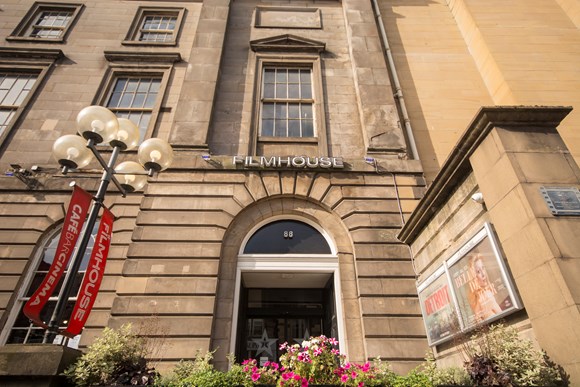
The Dominion, Filmhouse Edinburgh and Edinburgh-based touring cinema operators Regional Screen Scotland and the INDY Cinema Group are among 30 independent cinemas and two touring operators to receive £3.55 million from the Scottish Government’s Independent Cinema Recovery and Resilience Fund and The National Lottery, through Screen Scotland.
The Fund, which aims to bridge the immediate financial gap faced by independently owned cinemas as a result of COVID-19, will now support these cinemas who can operate in the short-term, within Scottish Government guidelines, and help others towards reopening, when it is safe to do so.
Fiona Hyslop, Cabinet Secretary for Culturesaid: “We understand the severe impact this pandemic has had on businesses across Scotland, including our independent cinemas which play such an important role in communities across the country.
“We have had to make some really difficult decisions recently that will impact on cinemas which have worked so hard to re-open safely, but we have to put health considerations above everything else and I hope this funding, along with the business support that will be available, will help independent cinemas cope with all the challenges they face.
“Culture is vitally important to all of our lives, and we are determined to do everything within our powers to see the sector through this crisis. This fund is part of the ongoing financial support the Scottish Government is making available to the sector.”
Sambrooke Scott, Head of Audience Development at Screen Scotlandsaid: “Independent cinemas have always played a vital role in communities across Scotland, bringing people together to immerse themselves in great film experiences from filmmakers around the world, and around the corner.
“It’s been the most challenging of times for these hard-working venues but, with the help of this Scottish Government and National Lottery support, they will continue to open and operate safely as local restrictions allow.
“By putting stringent measures in place to protect staff and audiences alike they will open where able and bring the magic and escapism of cinema back, which is something we need now more than ever.”
The Dominion Cinemasaid: “We are very fortunate to be in a position to benefit from the Recovery and Resilience Fund for Independent Cinema.
“This will allow us to maintain our position in the industry and help enable us to welcome our loyal patrons back when the time is right.”
Ian Brown, Group CEO and Founderof Edinburgh-based touring cinema operator the INDY Cinema Group said: “This support from Screen Scotland has been crucial in ensuring that INDY Cinema Group and its team are here both now and for the future to support our cinemas and communities across Scotland.
“Without the support all our work over the past 10 years to assist in building community cinemas, commercial independents and ever growing cinema support services for our industry was at risk of being lost.
“Now we are in a position to not just survive but ensure that we are ready for the challenge to come and helping all of our communities and cinemas grow again”
Ken Hay, CEO of Centre for the Moving Image(Filmhouse Edinburgh) said: “Cinemas are the heart of many communities and Filmhouse and Belmont Filmhouse are no different.
“Our communities want us to be open so that we can dim the lights and help people escape everything else for a couple of hours with the magic of cinema – and they’ve already donated over £100,000 so that we can do just that.
“And this funding from Screen Scotland will be integral in keeping both cinemas open over the next 5 months – when we’re allowed to be.”
Robert Livingstoneof Edinburgh-based Regional Screen Scotland, operator of the touring cinema The Screen Machine said: “The Independent Cinema Recovery Fund is a crucial measure to help to sustain cinemas across Scotland.
“At Regional Screen Scotland we’re very grateful for this support, as it will allow us to begin touring again with the Screen Machine, by compensating for the box office income lost through the need to maintain 2m physical distancing.
“This means we can bring at least some Christmas cheer to many smaller communities in the Highlands.”