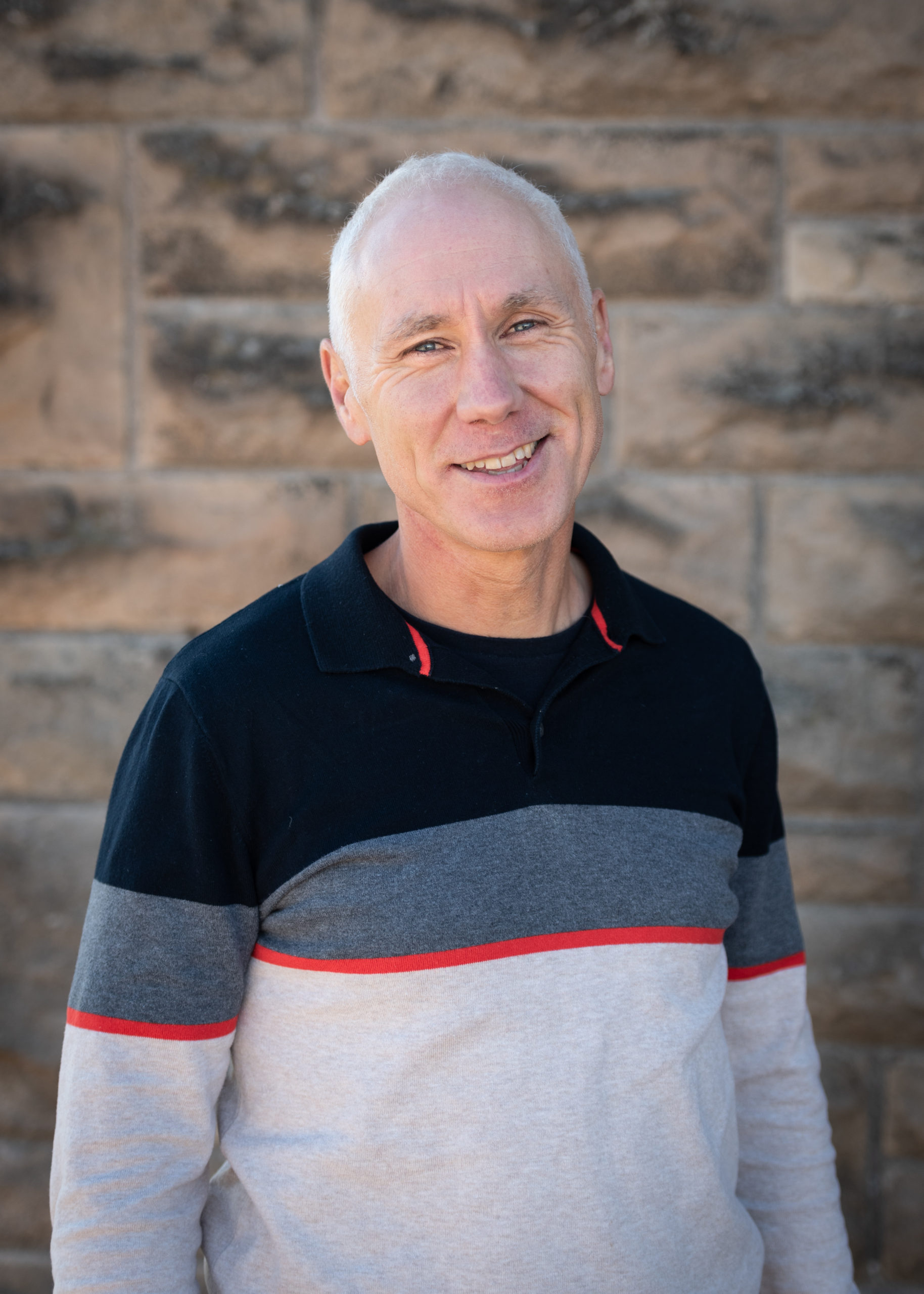
Renewable energy sector funds over £1m in Education and Training Grants

Foundation Scotland is supporting individuals to unlock their potential 

Growing numbers of Scottish communities are setting up dedicated Education and Training grants programmes across Scotland, thanks to community benefit funds provided by the renewable energy sector and onshore wind farms.  

Foundation Scotland has been able to support the distribution of more than 900 of these grants, worth over £1 million, since the first Education and Training fund was established in 2015.  

These funds have been specifically set up to support individuals with costs that are a barrier to accessing college or university or to cover expenses for training programmes and skills improvement that help them enhance their employment opportunities.  

Foundation Scotland has to date distributed over £150 million of funding to more than 12,000 organisations making a difference the length and breadth of the country. From local food banks and counselling services, to youth groups and training funds, they have awarded over 44,000 grants to charities, social enterprises and community groups across Scotland since they were established in 1996.   

However, support for individuals seeking to take that ‘next step’ to fulfil their employment potential is less well-known.  

Despite most university places being free in Scotland, the cost of attending can be prohibitive for many young people. Erin Morrison from Eastfield in North Lanarkshire recently received funds to help with rising costs relating to studies. Erin is now studying for a BEng in Civil Engineering and is the first person from her family to go to university.   

She successfully applied to the Harthill, Eastfield and Greenrigg Education & Training Fund for a total grant of £3,300, which will be split into three payments during her university course, helping to subsidise many of the costs relating to studying.  

Erin says: “I attended a school in a deprived area and was greatly affected by the SQA grade awarding system from 2020.

“Due to the lack of school funding, there are also very limited opportunities for students like myself. But I am now studying Civil Engineering at the University of Strathclyde, and I am the first person in my family to go to university.  

“However, there are so many additional costs. The fund has been a big help to me, it definitely takes the pressure off. You really don’t understand how expensive textbooks are for university, there’s quite a lot that you need. Many people don’t take that into consideration, so it has really helped me out.” 

Rachel Searle from Foundation Scotland said: “When individuals are supported to unlock their potential through training programmes and education, not only do they benefit, but the local economy does too.  

“The majority of those who have been awarded funds would otherwise not have been able to access support to further their career goals. This untapped talent lives in every community, and this type of fund is helping individuals and communities to flourish and grow.

“Foundation Scotland will continue to support and promote these localised education and training opportunities as a key way to ensure community benefit funds reach into the heart of communities.“  

For more details, visit www.foundationscotland.org.uk 

National Emergencies Trust to pilot disaster fundraising programme with local community networks

The National Emergency Fundraisers programme will build on Scotland’s remarkable Covid response

UK disaster response charity, the National Emergencies Trust, has announced plans to pilot a National Emergency Fundraisers programme in Scotland that will empower local community networks to support nationwide fundraising efforts at speed during domestic disasters.

The programme will invite networked organisations across the UK who have members who can support those who have a presence at village and street level, like Business in the Community, to receive tools, support and early warning alerts to help them raise funds fast in their communities when national emergencies arise. 

The programme will build on learnings from the National Emergencies Trust’s Coronavirus Appeal, which was able to raise nearly £100 million for those in great need within just weeks, thanks to fast-acting fundraisers. Nearly £10 million of this was distributed within Scotland, including £7 million to 1,400 grassroots charities and groups through Foundation Scotland.

At an event in Edinburgh co-hosted by the National Emergencies Trust, its patron, NatWest Group and partner, Foundation Scotland, the Trust, outlined how the National Emergency Fundraisers programme aims to build on Scotland’s ‘remarkable’ pandemic response. 

Lord Dannatt said: “The generosity and community spirit shown in Scotland during the Covid-19 pandemic was nothing short of remarkable. It happened organically but has created powerful blueprints for how national and local organisations can come together to support those affected by disasters.

“By providing community networks with fundraising tools and support ahead of the next national emergency, we hope to help them to step up at speed during future emergencies, playing a valuable role in the UK’s disaster resilience.”

Responding to the pilot announcement, Stewart Prodger, Chair of Neighbourhood Watch Scotland, said: “When crises arise, local community groups can be incredibly agile to act but it’s not always clear how they can best help those in urgent need.

“The National Emergency Fundraisers programme offers a chance to channel local energies and skills into fast, coordinated fundraising that could make a meaningful difference to people’s lives. With around 30,000 Neighbourhood Alert direct users, and over 1500 registered local groups, Neighbourhood Watch Scotland looks forward to hearing more about the pilot.”

Michael Duncan, Head of Giving Strategy & Programmes, Sustainable Banking at NatWest Group, which hosted the event at its flagship building in St Andrew Square, said: “It should be a source of great comfort that the National Emergencies Trust will be there during future domestic disasters to raise funds fast for those in urgent need.

“This new programme is a way to make that response even stronger, while enabling community groups to support the national giving effort at speed.”

Giles Ruck, Chief Executive of Foundation Scotland, who gave a keynote address at the event, said: “We learned from the pandemic that in times of national crisis, it is vitally important to get funds quickly to where they are most needed in communities.

“Based on this learning, funds raised by National Emergency Fundraisers will mean we can act fast to help those most affected by national emergencies, whether that’s offering financial support to survivors or awarding grants to local groups who can offer practical and emotional support.”

The event featured performances from charities that had received Coronavirus Appeal grants from Foundation Scotland.

These included a beautiful choir performance from the Forget Me Notes Project, who use music to build community and combat isolation in a variety of settings and entertainment by Dundee-based Shaper/Caper, a multi-award-winning dance organisation and charity who aim to shape the world through creative adventure. 

Also present were Edinburgh-based intercultural charity, Building Bridges, who connect cultures and support emerging communities in Scotland and Blood Bikes Scotland, a charity run 100 per cent by volunteers providing a free transport service to the Scottish NHS.


The event in Edinburgh also marked the third anniversary of the National Emergencies Trust.

Launched in 2019 on the recommendation of the Charity Commission following learnings from the 2017 Grenfell Tower fire tragedy and terror attacks in Manchester and London that year, the Trust was created to help to coordinate public fundraising and ensure equitable fund distribution during domestic disasters. 

The National Emergency Fundraisers National Emergency Fundraiser programme is a key part of the charity’s emergency preparedness work.

It will be piloted in Scotland over the coming months with networked organisations invited to input into the programme before its UK-wide roll-out next year.

To find out more visit: www.nationalemergenciestrust.org.uk 

pictures: Lewis James Houghton

Foundation Scotland has distributed over £150 million 

Major funder has supported over 12,000 organisations across the country 

Foundation Scotland, Scotland’s community foundation, has to date distributed over £150 million to more than 12,000 organisations making a difference the length and breadth of the country. 

From local food banks to counselling services, to youth groups to training funds, the major funder has awarded over 44,000 grants in total to charities, social enterprises and community groups across Scotland since they were established in 1996 

Foundation Scotland is an independent foundation that specialises in supporting charitable initiatives within local communities. 

The funds awarded to projects within Scotland’s communities are thanks to the generosity of donors who support the Foundation’s work. The breadth of donors includes individuals, families, companies, community bodies and other charities that work with the Foundation to set up and distribute charitable funds.

The Foundation connects donors’ funds with community organisations working on the ground, ensuring their support stays relevant to local circumstances to deliver real impact.  

Throughout the pandemic, the team at Foundation Scotland worked relentlessly to bring in new funds to meet the unprecedented demand from communities throughout the crisis. New donors such as The National Emergencies Trust helped the funder to distribute over £37 million in the two years that followed the first lockdown in 2020.   

Using the Foundation’s extensive knowledge and proven reach within communities, the funds were distributed quickly to where they were needed most.

Thousands of groups across Edinburgh and Lothians have received vital support from Foundation Scotland.  These include organisations such as Edinburgh Tool Library (above), Edinburgh Women’s Aid and North Edinburgh Dementia Care. 

The funder continues to work closely with communities across Scotland to identify and support the most critical needs emerging during cost-of-living crisis, working with new and existing donors to create funds for charitable groups. Being able to distribute additional funding is as much a priority now as it was throughout the pandemic.

Giles Ruck, Chief Executive at Foundation Scotland, said: Reaching this significant milestone of over £150 million distributed to date is an outstanding achievement. For over 25 years, we’ve maintained our vision of supporting confident, thriving, resilient communities across Scotland, and we look forward to continuing this support to deliver continual impact.  

“We know that local groups are best placed to offer support as they have the knowledge, passion and determination to deliver exceptional results.    And for every community to thrive, it should be resourced to match its vision and powered by transformative funding.

“Thanks to the generosity of donors, corporates and individuals, we have collectively enabled and empowered thousands of vital local projects, such as Aberdeen Sailing Trust, to transform lives for the better.   

“We are currently experiencing overwhelming demand for funding, and we will continue to work hard to reach and connect with new donors keen to distribute funds effectively at a local level so that together we can continue to deliver extraordinary support.” 

From grantmaking to social investment opportunities, legacies to bursaries, Foundation Scotland is continually developing innovative and effective ways for donors to help Scotland’s communities thrive.

Anyone interested in supporting their work can contact: development@foundationscotland.org.uk or call 0131 524 0300. 

For more details, visit https://www.foundationscotland.org.uk

North Edinburgh Arts secures funds to build a brighter future

Charity will receive £300,000 from Foundation Scotland

North Edinburgh Arts (NEA) has secured vital funding from Foundation Scotland, Scotland’s community foundation, to develop and grow it’s popular community spaces.  

This investment will support the charity to refurbish, redesign and extend its existing arts centre on MacMillan Square to create a high-quality culture, arts and meeting space for current and future generations to enjoy for years to come.   

North Edinburgh Arts is a purpose built creative and community venue in Muirhouse, that has served the whole of North Edinburgh, for over 20 years.

The existing 2-storey hub incorporates two studios, a 96-seat theatre, recording studios, offices and a café with children’s play area and large garden. This current centre is a well-loved and well-used venue, but the charity seeks to expand facilities to meet growing needs in the area.  

Muirhouse, one of the most deprived wards in Scotland, is currently the focus of targeted regeneration, building 700 new homes, a health facility, a new nursery and creating a new town centre around MacMillan Square. The new ‘MacMillan Hub’, developed through a dynamic partnership with the City of Edinburgh Council, will become an anchor building creating and enhancing community life, offering services for everyone, whilst focusing on the most disadvantaged. 

The £300,000 from Foundation Scotland’s Investing in Enterprise Fund has enabled the charity to move its ambitious build plans forward.  Half of this funding is a non-repayable grant, with the remainder through a low interest loan.  The Foundation Scotland team prides itself on working together with applicants to offer more than just the traditional funding offer, also providing unique insight, planning support and advice to help attract further investment. 

Maria Law, Social Investment Executive at Foundation Scotland, said: “The MacMillan Hub will be an important and inspiring place for everyone in the local community and we are extremely proud to be supporting its development.

“It was clear from our first meeting with the North Edinburgh Arts team that they had both the vision and the determination to turn their plans into reality and we are delighted to be here with them today to see the action on site.   

“The £300,000 investment from Foundation Scotland will support the charity to increase its footprint by a third so that they can provide more local people of all ages and all abilities with creative classes and community activities at a time when it’s never been needed more.  

“Thanks to these new facilities, families will have an affordable safe and welcoming place to come to and enjoy, young people will be given more opportunities to develop skills, confidence and self-esteem, and older people will feel part of a connected community. 

“We know there are other groups that urgently need this support to get started or grow, and this is even more challenging in the current climate. We are encouraging all interested groups to visit our website or contact our team directly to discuss their eligibility.

 Lesley Hinds, Chair of North Edinburgh Arts, said: ”This new capital project will allow North Edinburgh Arts to flourish and bring a first-class facility to Macmillan Square. NEA is a special place for the community of North Edinburgh and is a trusted anchor organisation now fully in community ownership thanks to our recent Community Asset Transfer.

“The development of NEA and the MacMillan Hub has cross-party support, locally and nationally, with this enthusiasm matched by that of our community. This enthusiasm has kept us going through some difficult times and now, with thanks to Foundation Scotland’s funding and capacity-building support, we are looking forward to bringing a truly inspirational place to the heart of Muirhouse.” 

The City of Edinburgh Council and North Edinburgh Arts expect the MacMillan Hub build to be completed by the end of 2023. 

Foundation Scotland’s ‘Investing in Enterprise Fund’ offers up to a quarter of a million pounds in blended finance to eligible social enterprises, community organisations and charities operating in 18 local authority areas.  

For more information, including details on how to apply for the Investing in Enterprise Fund visit: foundationscotland.org.uk/social-investment  

Deacon Blue star opens new community café and pavilion in Grassmarket

Offering everything from woodwork classes to meals for those who are homeless, the Grassmarket Community Project aims to create a community and provide sanctuary for those in the city who are often excluded.  

The registered charity runs the fully accessible community hub and café on Candlemakers Row where people can pop in for their caffeine fix and something fresh to eat knowing that all proceeds support social good in the area. 

However, with demand for their services growing year on year, and with the café rapidly running out of space, the registered charity secured funding from Foundation Scotland.

An investment of over £375,000 has enabled the organisation to extend its existing facilities and create a brand-new pavilion space hosting Coffee Saints, a larger, bright and friendly café and improved spaces for activities.   

Ricky Ross is a long-term supporter of the Grassmarket Community Project’s work and was there on the night to officially open the space and meet staff, volunteers, supporters and local people.   

Foundation Scotland, Scotland’s community foundation, offers social investment funding to social enterprises, community organisations and charities. Up to 50% of the funding is through a non-repayable grant, with the remainder through a loan. Foundation Scotland’s social investment team prides itself on its relationship-based support and helps successful applicants to raise further funds.  

Chris Holloway, Head of Social Investment at Foundation Scotland, said: “Grassmarket Community Project secured over £375,000 from Foundation Scotland and we have worked closely together across the last few years to get to this exciting stage.  

“Jonny and the team have worked so hard to get to where we are today.  It’s great to finally have the doors open and get to see inside the spaces which will mean so much to so many. 

“The funding landscape has changed monumentally post-covid.  There are far less available opportunities for capital costs, and building costs are rising significantly.  Yet we know groups urgently need this support to get started or grow. We’ve invested over £12.5 million in 72 organisations across the last ten years.

“This funding, combined with our dedicated and experienced support, has delivered transformational change. We enable socially conscious groups to become more sustainable, grow, and become less reliant on grant funding. It’s a win-win all round, and our impact reporting shows that this funding model works.

“We are encouraging all interested groups to visit our website or contact our team directly to discuss your eligibility”.   

Jonny Kinross, CEO of Grassmarket Community Project, said: “The support we’ve received from the team at Foundation Scotland has been instrumental in enabling us to plan, develop and now finally officially open our fantastic new café and pavilion in the centre of the city.  

“We’re extremely grateful to have received such a significant sum across the combination of loan and grant funding but above this, the team have offered a real partnership approach to the finance, which has been so refreshing and supportive.  

They have taken the time to understand our business, the challenges and the opportunities presented.  

“Like everyone else, our project was inevitably held up through the crisis, but the team have been with us every step of the way.  We are so excited that our doors are now open, and we can’t wait to meet old and new friends for a coffee in the new café.”  

Foundation Scotland’s ‘Investing in Enterprise Fund’ offers up to a quarter of a million pounds in blended finance to eligible social enterprises, community organisations and charities operating in 18 local authority areas.  

For more information, including details on how to apply for the Investing in Enterprise Fund visit: 

foundationscotland.org.uk/social-investment 

Closing soon: Funding for activities tackling alcohol-related harm

The Scotch Whisky Action Fund offers eligible projects up to £25,000 – closes 25th April 

Foundation Scotland, Scotland’s community foundation, set up the Scotch Whisky Action Fund (SWAF) in 2013 and has to date awarded over £940,000 to 70+ projects aiming to reduce the negative impact of alcohol-related harm across Scotland.    

Only open once a year, Foundation Scotland is urging interested groups to apply now as applications close on the 25th April 2022.  Offering up to £25,000 in funding; it is the only fund dedicated to tackling alcohol-related harm in Scotland and supports targeted interventions, new initiatives and pilot projects designed to tackle alcohol-related harms in Scotland’s communities.   

Jennifer McPhail, Funds Adviser at Foundation Scotland, said: “We’re delighted to be running this important funding stream again.  

“Now in its ninth year, the Scotch Whisky Action Fund has already made a massive impact on individuals and communities affected by alcohol-related harms. The alcohol industry plays an important role in Scottish society, and Scotch Whisky is at the heart of the industry. 

“However, the misuse of alcohol through excessive or inappropriate consumption can have implications for health and a range of social problems, including anti-social behaviour, violence, family breakdown, problems with money and work.  This can impact individuals, families and communities.   

“The fund is not set up to support recovery or treatment of alcohol issues. Rather it’s for innovative projects  to educate, raise awareness, and prevent future alcohol-related harm.

“Examples of projects include preventative training programmes and diversionary activities for young people, peer support groups for carers and family member counselling services.  

“There are many examples of previously funded projects available on our website and we are advising interested groups to carefully read through all the guidance before applying. We are encouraging those that are interested to progress quickly as the fund only opens once a year.”  

Groups such as Waverley Care, Paisley YMCA, Bright Light and Govan Youth Information Project have received project support across the lifetime of the fund.   

Projects which secure funding from SWAF, and can demonstrate an impact after their first year of funding, may be able to receive further funding of up to £25,000 per annum for a maximum of three years, to support their initiative.

For full information, including eligibility criteria and application details visit:

https://www.foundationscotland.org.uk/scotch-whisky-action-fund  

New funding to support social prescribing art therapy

Over £85,000 awarded to 12 organisations from Foundation Scotland’s PHP Community Impact Fund

Foundation Scotland, Scotland’s community foundation, has announced a dozen community projects in Scotland have received a funding boost thanks to the new PHP Community Impact Fund.  

The fund, established by Primary Health Properties, launched last Autumn to offer support for health and wellbeing initiatives in the communities served by its medical practices.

Managed by Foundation Scotland, one of only two community foundations in the UK to pilot the new initiative, the fund is designed to provide additional and innovative services for those most in need from the patients served by practice buildings owned by PHP across the country. 

Social prescribing enables a holistic approach to people’s health and wellbeing and is increasingly being used to complement the work of GPs and their teams.

The approach continues to play a vital role in helping communities recover and rebuild after the coronavirus pandemic, with a particular emphasis on services to support mental health and combat loneliness.

As one of the UK’s leading investors in modern primary healthcare facilities, PHP created the Community Impact Fund to support GP practices and their communities with this model of care. 

Two Edinburgh-based projects – Thistle Health and Wellbeing (£10,000) and Carr-Gomm (£5000) – have received PHP Community Impact funding.

Jennifer McPhail, Fund Adviser from Foundation Scotland,  explained: ““We were delighted PHP chose Scotland to pilot this innovative new fund. With 38 properties spread across the country we were able to reach community projects from the Lothians up to Aberdeenshire.

“The Community Impact Fund launched at a critical time following the height of the pandemic. As our NHS continues to be under immense pressure, this is a fantastic initiative from PHP to help improve patient wellbeing outcomes, quality of life and emotional wellbeing” 

Teapot Trust, a mental health charity in Musselburgh that provides support for children and families coping with chronic conditions received £5,000 from the fund for a new social prescribing project providing one-to-one art therapy sessions for children and young people.  

Working closely with Community Link Workers, Teapot Trust will encourage self-referrals from children, young people and families in need of support in order to improve their mental health and wellbeing.

Sarah Randell, Chief Executive, Teapot Trust, said: “We are most grateful for the support of Foundation Scotland. The funding we have received from the PHP Community Impact Fund is extending the reach of our one-to-one art psychotherapy service for children and young people struggling to cope with a chronic physical condition.  

“The Teapot Trust self-referrals scheme enables families to get the support they need when they need it most. This funding is supporting referrals from either a PHP owned GP Practice or directly from one of their patient families for the first time.

“Teapot Trust is delighted to help children and families build resilience, develop healthy coping mechanisms and improve mental health and wellbeing through this work across Scotland.”  

Across Scotland, a total of £86,927 was distributed among 12 organisations delivering a range of health and wellbeing programmes for their local communities.

These include services to support young people’s mental health and social inclusion, art therapy for children with long-term chronic conditions, gardening activities to promote wellbeing. This is an excellent example of true partnership working with GP’s, social prescribers and community groups coming together to deliver targeted solutions to their patients. 

Harry Hyman, CEO of Primary Health Care Properties, commented: “We were delighted with the range and scope of the applications to our new Community Impact Fund.

“It’s clear that social prescribing is an important area of growth in promoting health and wellbeing and we look forward to hearing how the organisations we have funded are able to develop their services over the coming months.

Foundation Scotland marks 25th anniversary

Scotland’s community foundation has distributed over £130 million to date 

Foundation Scotland, Scotland’s community foundation, is marking the organisation’s silver anniversary this St Andrews Day – also aptly ‘Giving Tuesday’ this year. 

 Originally established in 1996 as ‘Scotland’s Community Foundation’, the major funder has distributed more than £130 million to charitable organisations, social enterprises, and community groups operating across Scotland since its launch 25 years ago. 

The foundation specialises in supporting charitable initiatives within local communities: from local food banks to counselling services, to youth groups and education and training funds.

Set up with an initial group of three staff, the Edinburgh-based foundation now has over 30, managing around 100 different national and local funding programmes each year.  

Earlier this year the foundation began offering investment for social enterprises following the integration with Resilient Scotland, further expanding the breadth of financial support offered to charitable groups and enterprises.   

Through the pandemic, Foundation Scotland awarded over £1.1 million in crisis support grants to 268 Edinburgh-based community projects. 

Supported groups included The Eric Liddell Centre, East Lothian Roots and Fruits, Sikh Sanjog, Bridgend Farmhouse and The Edinburgh Tool Library (above).  

Quite often, groups can be eligible for more than one source of funding from the foundation and some organisations have received ongoing support from Foundation Scotland for many years.

The team pride themselves in getting to know and understand funded groups, supporting them with essential funding and vital advice to help them to develop and sustain their services.  

Giles Ruck, Chief Executive at Foundation Scotland, said: “We are proud to be Scotland’s community foundation.  For 25 years, we’ve maintained the vision of supporting confident, thriving, resilient communities across Scotland.

“And for every community to thrive, it should be resourced to match its vision and powered by transformative funding. That’s where we come in. Over the last quarter of a century, we have connected the generosity of donors, corporates and individuals, to enable and empower vital projects and grassroot-led change.  

“As we look ahead, we will continue to work hard to reach and connect with new donors keen to distribute funds effectively at a local level so that together we can continue to deliver extraordinary support.” 

The generosity of local donors 

Foundation Scotland is an independent charity. The funds awarded to projects within Scotland’s communities are thanks to the generosity of donors who support the foundation’s work.  

The breadth of donors includes individuals, families, companies, community bodies and other charities who distribute funds. The foundation connects donors funds with community organisations working on the ground, ensuring their support stays relevant to local circumstances and delivers real impact.

Even throughout the pandemic, new donors have come on board, and new funds have opened to help support communities through the crisis and beyond. 

In the summer of 2020, Edinburgh-based investment company Martin Currie approached Foundation Scotland to design and brand a new fund to help them support charities and community groups in Edinburgh, with consideration for projects across Scotland.

Their priorities were to address inequality and support initiatives that improved social and environmental sustainability.  The Martin Currie Community Partnership Programme launched in September, and to date has awarded almost £44,000 between 8 organisations Recent grantees include Edinburgh Remakery, Venchie Children and Youth Project and the Salisbury Centre. 

Jennifer Mair, Chief Operating Officer for Martin Currie said: “The Martin Currie Community Partnership Programme (MCCPP) is delighted to partner with Foundation Scotland to support local charities that promote diversity and inclusion, or social and environmental sustainability.

“The MCCPP was established in 2020 and focusses on the communities where we live and work by partnering with and building deep and lasting relationships with organisations who are well placed to help us deliver Martin Currie’s goal to improve lives.” 

Case Study: The Melting Pot 

The Melting Pot is Scotland’s Centre for Social Innovation. Based in Edinburgh’s city centre on Carlton Road, the organisation runs a large coworking hub, meeting venue and events programme for charities, social businesses, campaigners and freelancers.   

Foundation Scotland has supported The Melting Pot for over 15 years.  The organisation received its first award from the funder back in 2006 and has received £120,000 from a number of different funds to support their growth and development since 2006.  

Claire Carpenter, Founder and CEO of The Melting Pot said: “Foundation Scotland have been an instrumental investor for me and The Melting Pot. They’ve been part of the birthing story – twice now!

“Back in the 00’s when “Coworking” wasn’t a thing you could Google, they saw the potential in my big, novel and very practical idea to better support our sector, in all its diversity. Then, due to Covid, the landscape changed once again – for good.

“We’ve been able to play to each other’s strengths to help #BuildBackBetter. I’m looking forward to seeing how together we co-create the conditions for social innovators to thrive in the years ahead.” 

More Info:

From grantmaking to social investment opportunities, legacies to bursaries, Foundation Scotland is continually developing innovative and effective ways for donors to help Scotland’s communities thrive.

Anyone interested in finding out more can contact:

development@foundationscotland.org.uk 

or call 0131 524 0300. 

For more details visit https://www.foundationscotland.org.uk/ 

Scotland’s Social Action Inquiry is looking for Guides

My name is Darryl Gaffney du Plooy, and I am one of the Co-leads for the Social Action Inquiry (Scotland). The other Co-lead is Deborah Menezes.

We are currently looking for people to help shape the direction of the inquiry. We have given these roles the name of Guides because lived experience will be crucial  for us to navigate sensibly and sensitively through the complex landscapes of Scotland’s Civil Society.

We are inviting applications from any age and all backgrounds. We have produced Easy-Read materials and are welcoming applications sent via video and audio file for people who prefer these forms of communication. 

As well as the option to submit a written application The full details on how to apply can be found at Good Moves or on our Social Action Inquiry Website.

We appreciate that our deadline (12 noon, 22nd of October) might be too short for some people but we would like to communicate that we will be looking to recruit more Guides in 2022.

I also wanted to mention that we will also soon be ready to share with you a programme of activities for us to listen, learn and build bonds with people, places, and communities in Scotland.

Our intention is for the activities to mirror our approach to the inquiry, as in, focusing on relationships, being inclusive & participatory, and orientating energy towards action.

If either or both of these developments interest you, please share and if you would like to get in touch feel free to do so. We will be delighted to hear from you.      

Best wishes

Darryl Gaffney du Plooy

Co-lead Social Action Inquiry

Darryl@socialaction.sco

Invitation for Guides of the Social Action Inquiry in Scotland 

Do you want to live in a Scotland where communities   can make positive differences to their way of life? A Scotland that values social action and helps to make it happpen?  

We invite you to be part of our Social Action Inquiry team to shape the direction of the inquiry by adding your voice and experience into the inquiry process 

What is the Social Action Inquiry? 

The Social Action Inquiry is being set up to find out more about how communities can take action that makes a difference. It will look at what helps, and what gets in the way. It’s hoped that it will help influence how Scotland rebuilds after the coronavirus pandemic. 

The Inquiry’s vision is: 

A Scotland which recognises the value of social action and its potential to enable us to overcome the challenges we face in the 21st century.  

This independent inquiry will be led by people with direct, lived experience of Scottish communities which have felt powerlessness over decisions affecting their own lives, and that this power has been exercised by others. 

It will support people to find their voices, take action, and use what they learn to help create wider change.  For more details, see our website – socialaction.scot 

To help the Inquiry we are inviting people to become Guides.   

What will a Guide do?  

To allow for the Inquiry to create a more inclusive and sustainable journey the Guides will help  shape the direction of the Inquiry.  For more details on the role please download our invitation to become a Guide file below (General or Easy-Read versions). 

Work, Hours and Pay. 

The Guides will meet once a month for one full day, online or in-person.  

The Guides will be offered £200 per day for their time.  

The panel of Guides will be reviewed every six months. This is to ensure diverse perspectives can contribute into the Inquiry.   

I would like to be a Guide. How do I do that?   

You can choose apply that in four different ways:   

  1. Write your answers on our application form (attached below).  
  2. Write a personal statement (no more than 1000 words) telling us why you would like to be a Guide.    
  3. Send us a video, no longer than 10 minutes, telling us why you would like to be a Guide. 
  4. Send us an audio file, no longer than 10 minutes, telling us why you would like to be a Guide.   

 We have chosen these four different ways because we know writing applications can be difficult for people. Guiding questions with how to design your application can be found by downloading the ‘Invitation for Guides’ file below (General or Easy-Read versions)  

When is the closing date for applications?  

Applications are open until 12 noon on the 22nd of October  

We will let people know if they are being invited to an interview by the 29th of October.  

Interviews will be arranged for the week beginning the 1st of November.    

How to submit your application.  

 A copy of the application can be downloaded below.  

 Completed written applications should be sent to hello@socialaction.scot  

Video and Audio Files should be sent by WeTransfer, or via the communication platforms Telegram or  Whatsapp to 07867 181 040.   

Please send a confirmation email to hello@socialaction.scot  informing us which platform you have used to submit your application.   

If you would like to speak to someone above being a guide before you apply or have any additional queries regarding the role or any information noted above, please email:  hello@socialaction.scot    

Downloads

Invitation for Guides Easy Read

Invitation for Guides

Application Form Easy-Read Version

Application Form

Equal Opportunities Monitoring Form

Privacy Statement and References for Video and Audio File Applications 

Coronavirus: Community learning the lessons from the RRR Fund

Foundation Scotland have worked with Scottish Community Development Centre (SCDC) to produce a final evaluation of their Response, Recovery and Resilience (RRR) Fund.

The evaluation offers insight into the difference the RRR Fund has made to groups and communities across Scotland and the challenges that lay ahead. By the time the fund closed in April 2021, it had supported 1190 organisations across the country. Thanks to the National Emergencies Trust and the generous support of our donors, more than £7.4 million was distributed.

This report is the second evaluation of the RRR Fund. The first Rapid Evaluation of the RRR Fund was published in May 2020 and focussed on the first few weeks of the Response phase.

The July 2021 evaluation focuses on organisations who received funding in the Recovery and Resilience phases and includes survey data from more than 150 grantees plus detailed feedback from several focus groups.

The evaluation includes 14 recommendations and learning points within the following headings:

  • Impact on communities and project beneficiaries
  • Impact on community projects/organisations
  • Impact on Community Infrastructure
  • Challenges and Opportunities

The evaluation also includes several case studies from North Edinburgh’s Fresh Start, the Village Storytelling Centre in Glasgow, Headway in East Lothian, Clifftops Project in West Dunbartonshire and the Whitburn and District Community Development Trust in West Lothian.

Joyce Cattanach, Development Officer for Headway East Lothian, said:”Our Funders were wonderful in their response to the pandemic and the impact social isolation and loneliness would have on our already disadvantaged community.

“We sourced additional funding streams that had set up emergency responses; built up a strategy; and changed our outcomes and activities to respond and enable us to continue to work in a different way.”

The survey data, focus group feedback, and SCDC recommendations within the evaluation will help shape future funding and service development at Foundation Scotland. 

To read more, view or download a copy of the full report using the link below: