A winter lockdown could hit elderly and isolated particularly hard, warns sight loss charity

Another nationwide lockdown during the winter months could hit some particularly hard, especially the elderly and socially isolated, warns the charity RNIB Scotland.

The 2020 covid crisis has prompted a greater sense of social cohesion and solidarity, said director James Adams, but it also exposed and exacerbated some of the barriers that blind and partially sighted people still face.

Access to online shopping slots, a lack of essential health information in formats such as audio and braille, and confusion over whether social distancing allowed for blind and partially sighted people to still be guided added to the distress many felt.

“The first lockdown came out of the blue when we had little real-life experience of managing a national emergency,” said James Adams. “But it is now more essential than ever that we learn the lessons and ensure no one falls through the safety-net. Another period of enforced confinement during the winter months could hit some particularly hard.

“During the first lockdown, RNIB Scotland and other charities worked extremely hard to ensure the needs of the most vulnerable were met – at a time when even the most able in society were thrown by the suddenness and uncertainty the crisis had created.

“We negotiated set online shopping slots for people with sight loss, worked with public bodies to ensure the often vital information they put out was available in formats accessible to everyone, and clarified the rules on guiding people with a visual impairment.

“These gains must be reinforced if we are returning to another nationwide lockdown.”

Currently, around 178,000 people are living in Scotland with significant sight loss. Although most are over the age of 60, around 3,500 children and young people also have a visual impairment.

The RNIB Helpline remains available on 0303 123 9999 and information continues to be broadcast on RNIB’s Connect Radio station. The RNIB Talking Book library posts and downloads thousands of titles in audio and other formats.

Social and leisure groups set up by RNIB Scotland will continue to meet by phone over the festive period, while the charity’s resource centre, selling aids and equipment, remains open for orders online. It’s Eye Clinic Liaison Officer service offers practical advice and reassurance to people coming to terms with sight loss, while support in using new technology is also available, and help and information on welfare benefits.

* For people with sight loss, RNIB Scotland runs various telephone group activities, including a “It’s Virtually Christmas!” party this Wednesday and festive quizzes on Christmas Day and New Year’s Day.

Contact Dan Meikle at Daniel.Meikle@rnib.org.uk or phone 07821 810955 to take part.

www.rnib.org.uk/scotland

Singing the Praises of Carers

VOCAL are delighted to have a special performance by the Phoenix Choir, Edinburgh to spread our message that Carers Are Stars!

They have produced a beautiful rendition of I Love Your Smile , introduced by VOCAL Chief Executive, Sebastian Fischer.

We are delighted to share this seasonal treat with all our carers, partners, volunteers and supporters across Edinburgh and Midlothian.

View the video on our webpage here or directly on Vimeo.

To donate to VOCAL’s work with carers, please go to our Carers Are Stars! JustGiving campaign.  Thank you.

Wishing you all a peaceful Christmas and New Year, from everyone at VOCAL.

Sprouts named Britain’s favourite Christmas veg for 2020!

Just when you think 2020 can’t get any stranger, a new survey has named brussel sprouts as the nation’s favourite vegetable for Christmas dinner – https://www.matalan.co.uk/christmas/christmas-day-plan

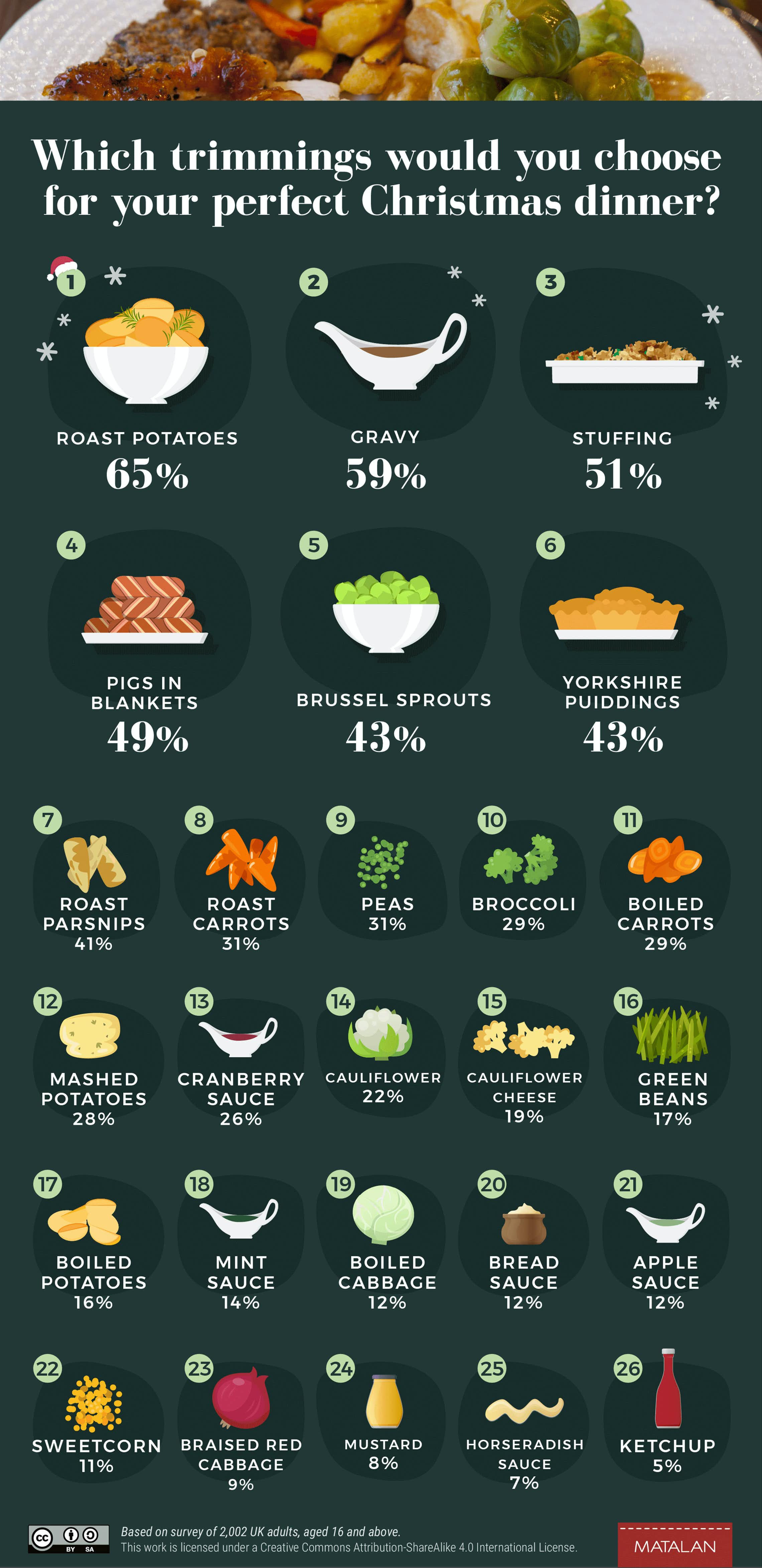
Matalan surveyed over 2,000 Brits to find out how we’re spending Christmas in 2020, looking at everything from what we’ll be wearing to what we’ll be eating. And according to their findings, the often-hated brussel sprout is the most popular vegetable for 2020, and the 5th most popular trimming overall.

Perhaps unsurprisingly, the roast potato came out on top, with 65% of Brits saying their Christmas dinner would be incomplete without them, followed by gravy with 59%.

And in keeping with this weird year, 5% of Brits will be having tomato ketchup on their Christmas dinner this year!

Turkey remains the most popular meat, with 47% of Brits opting for this, followed by roast beef with 18%. Vegetarian and vegan options saw a drop in popularity this year, with a combined total of just 12%.

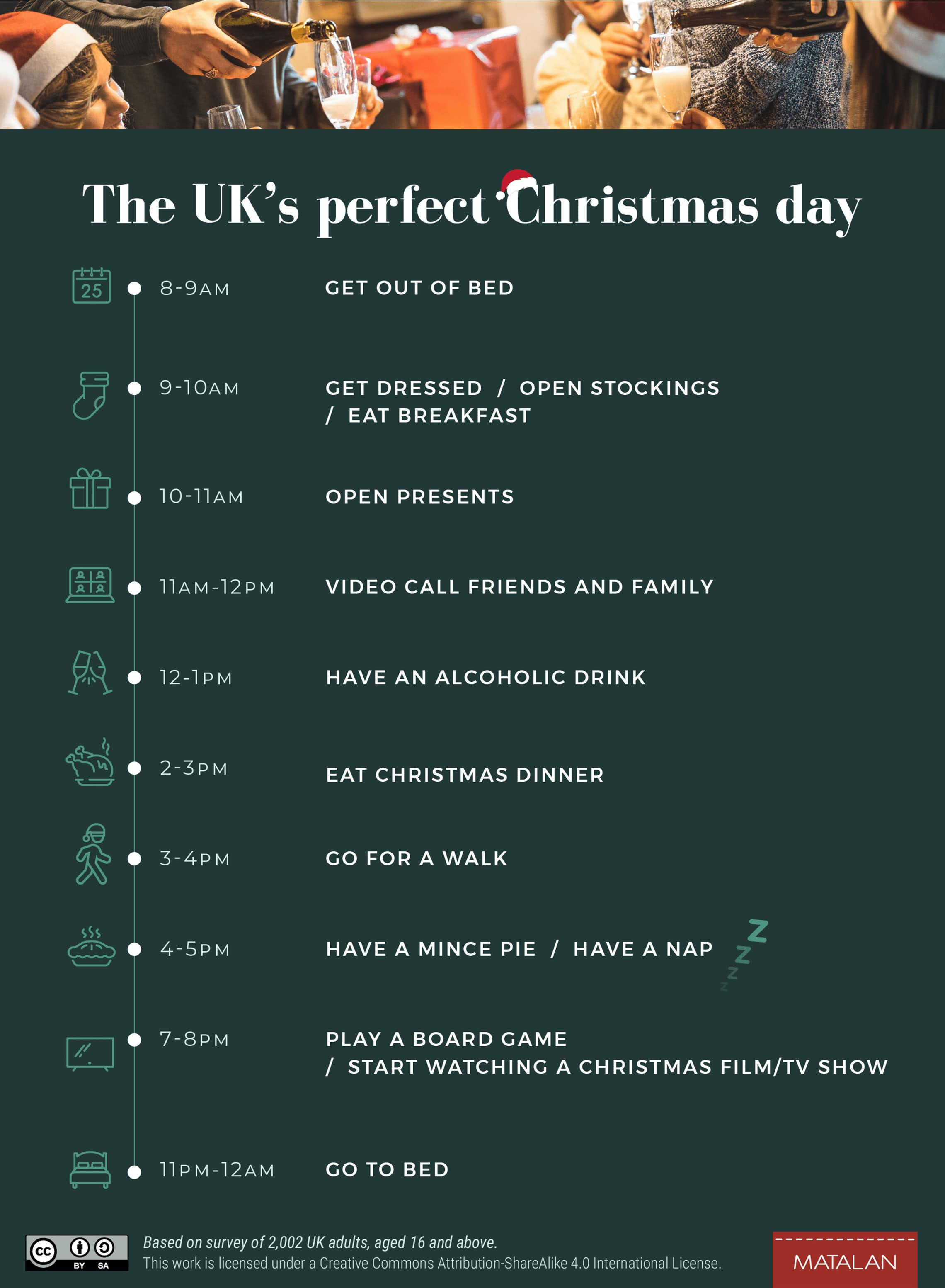
Finally, Matalan found that most Brits will be sitting down for their Christmas dinner between 2pm and 3pm, after speaking with family and friends over video call at 11am and cracking open the bubbly at 12pm!

Head over to the Matalan website to find out more, including what Brits will wearing for Christmas day (we’ll give you a hint, it’s comfy!) – https://www.matalan.co.uk/christmas/christmas-day-plan

ELREC: Thank You & Best Wishes

Dear Friends,

Another quarter in lockdown but I am very hopeful that it will be over soon enough. I think most of us have learnt and adapted to the situation well, but I also know it has been even hard for many. But I want to just remind us all that we are in this together and will get through it together and end up better and even more resilient than before.

As you already know many organisations, businesses and our usual way of life is still on hold in some ways however that does not mean we stop altogether. Online has become the new ‘norm’ although we can still video chat and see family online, its not the same as meeting them face to face.

ELREC has been very busy during this time with the current projects, Communities for Conservation, True Colours, Open Arms and Equalities Engagement. We have been doing much of our work online however our services continue to be open and operating in a socially distanced way.

Our Covid projects, equally informed and Food support has been very busy and well established in the communities. The first provides translated information to various communities on Covid and the lockdown to ensure everyone has equal access to the information we all need to follow. We also offer food support every Friday to around 25-30 families who are in need during these difficult times.

Finally, I want to thank the staff and all the ELREC team and volunteers for their work and efforts especially with organising our online events and delivering the food support service.

Wishing you a happy festive season and best wishes for 2021.

Please find our newsletter here.

Yours faithfully,

Foysol Choudhury MBE

Chair of Edinburgh & Lothians Regional Equality Council

23 pieces of rubbish are dropped in the UK EVERY SECOND

New data shows 23 items of rubbish are dropped in the UK every second

Shocking data has revealed the true impact of the UK’s litter crisis, with cigarettes being the most irresponsibly disposed item.

Data found by Regatta and Keep Britain Tidy shows approximately 30% of litter in the UK is smoking-related, with a staggering 244 million cigarette butts discarded as litter.

According to Keep Britain Tidy, which exists to try to eliminate litter and end waste, two million pieces of rubbish are dropped every day across the country. This means that 23 items of rubbish are dropped every second on average.

“Due to the impact of the Coronavirus, more people than ever have gone out on walks and to explore their local green spaces. The amount of litter dropped by visitors saw local people become frustrated on social media as day-trippers left piles of rubbish lying around instead of taking it home with them,” says a spokesperson for Regatta.

However, this rubbish isn’t just ruining some of the best landscapes in the UK – it’s also having a serious impact on people and the environment.

Keep Britain Tidy recently revealed that street cleaning costs taxpayers more than £1 billion every year, showing the litter crisis isn’t just costing the planet anymore, but the public too.

Meanwhile, RSPCA announced recently they receive an average of 14 calls a day about wildlife harmed by litter, and the organisation suggests that the actual number of animals affected by rubbish is likely to be much higher.

“We all enjoy the great outdoors, and more recently with lockdown easing, people have been admiring all the UK has to offer more than ever.

“We hoped that comparing the litter crisis to one of the UK’s most loved and respected landscapes, we’d be able to encourage others to be mindful of littering and to get involved with a local clean-up event,” a spokesperson for Regatta continued.

UK hit with South African variant of coronavirus

UK Health Minister Matt Hancock has released details of another mutation of the coronavirus. Two cases of the variant, which is linked to South Africa, have now been reported in the UK.

Scotland has introduced further controls on travellers to and from South Africa with immediate effect.

Mr Hancock told yesterday’s Downing Street press conference: “I want to tell you about developments on another new strain of this virus.

“Of course, the fight against this virus is a global effort. And we are constantly vigilant and looking around the world.

As part of our surveillance, and thanks to the impressive genomic capability of the South Africans, we have detected 2 cases of another new variant of coronavirus here in the UK.

“Both are contacts of cases who have travelled from South Africa over the past few weeks.

“The Chief Scientific Advisor and Chief Medical Officer and others met their South African counterparts over the last day.

“We are incredibly grateful to the South African Government for the rigour of their science, and the openness and the transparency with which they have rightly acted, as we did when we discovered the new variant here.

“This new variant is highly concerning, because it is yet more transmissible and it appeared to have mutated further than the new variant that has been discovered here.

“We have taken the following action.

“First, we are quarantining cases, and close contacts of cases, found here in the UK.

“Second, we are placing immediate restrictions on travel from South Africa.

“Finally, and most importantly, anyone in the UK who has been in South Africa in the past fortnight, and anyone who has been in close contact with anyone who has been in South Africa in the last fortnight, must quarantine immediately.

“By quarantine, I mean they must restrict all contact with any other person whatsoever.

“We will be changing the law to give this legal effect imminently.

“These measures are temporary, while we investigate this further new strain, which is currently being analysed at Porton Down.

“And I want to thank everyone involved for the seriousness with which I know they will take these instructions.”

Scottish Ministers have agreed on the basis of advice from senior clinical advisers to introduce further controls on travellers who have been in South Africa in the previous 10 days.

Regulations will require all UK nationals or residents returning to Scotland from South Africa to isolate for 10 days. This will apply to both the individual traveller and their household. Unlike travel into Scotland from other countries, there will be no exemptions to this quarantine policy.

All measures relating to South Africa will be reviewed in light of emerging evidence on the public health risks.

Cabinet Secretary for Transport, Infrastructure and Connectivity Michael Matheson said: “These steps are a precautionary measure to prevent the spread of a variant strain of coronavirus which has been detected in South Africa, which we are still in the early stages of learning about, to Scotland.

“This decision has been taken on clinical advice to help further safeguard public health and keep communities safe.”

Scotland’s Chief Medical Officer Dr Gregor Smith said: “A mutated strain of the virus has been detected in South Africa with greater transmissibility between humans and it is appropriate that we err on the side of caution.

“We do not want to see transmission of this strain in this country and it is imperative that anybody who has recently travelled from South Africa, and their household, should self-isolate for 10 days and follow the guidance laid out by the Scottish Government. If needed, they should contact NHS 24.”

Work will also be undertaken to contact individuals who have recently arrived in the country from South Africa in the last 10 days who may have had a sectoral exemption to encourage them and their households of the need to isolate.

COVID: Community testing to be introduced next month

Targeted approach planned for high prevalence areas

Community testing in areas with high coronavirus (COVID-19) prevalence will begin in January, Health Secretary Jeane Freeman has announced.

In a statement to Parliament on Scotland’s testing and vaccination programmes, Ms Freeman confirmed that community testing resources will be targeted at communities with high transmission rates, following successful trials in early December.

Local authorities will be asked to submit proposals for the programme in early January, which will be delivered in partnership with NHS Boards and supported with additional funding and resources, including mobile testing units and asymptomatic test sites, to provide PCR and lateral flow testing respectively.

In order to better target community testing, waste water sampling undertaken by SEPA and Scottish Water to track COVID prevalence will be expanded from 60 to around 200 tests per week throughout Scotland by the end of January, supported by £1.1 million in additional funding.

Discussions with local authorities are also underway regarding two models of school testing to be trialled in January. The first model will involve in-school testing using lateral flow devices, while the second will involve at-home sampling for PCR testing.

Ms Freeman also confirmed that a total of 56,676 people have received their first dose in the first two weeks of the COVID-19 vaccination programme, which aims to vaccinate all those on the JCVI prioritisation list by the end of Spring 2021. Once this group is complete, vaccination will start for the wider population, subject to available supplies.

The use of larger centres in heavily populated areas such as Glasgow, Edinburgh, Dundee, Aberdeen, and Lanarkshire is being investigated to supplement local and mobile solutions for those in remote and rural areas.

NHS Boards have also been asked to continue recruitment and redeployment, with the aim of securing around 1400 vaccinators and 800 support staff by the end of January.

Ms Freeman said: “I want to acknowledge the sheer effort that has been put in to enable what has been delivered already through our testing and vaccination programmes, and what we will deliver, as I have set out in Parliament today.

“Each of these programmes presents a major logistical challenges in and of themselves. Many people from different organisations and communities have come together to make them possible and I want to put on record my sincere thanks to everyone involved.

“These are incredibly tough times for everyone, at the end of what has already been an incredibly tough year, but this continued expansion of our testing and vaccination programmes will help us meet the challenge we face to drive down COVID rates in Scotland to the lowest possible level.

“Both are vital tools in our work to suppress the virus to the lowest possible level in Scotland, but they are only as important as the other measures we have including the Levels approach, enhanced support for our NHS and care sectors and critically, individuals doing the right thing by following FACTS – all of which are crucial to prevent the spread of this harmful virus through our communities.” 

COVID Vaccines and Testing Programmes: Health Secretary’s statement Wednesday 23 December – gov.scot 

Remember FACTS for a safer Scotland:

F – Face coverings
A – Avoid crowded places
C – Clean your hands regularly
T – Two metres distance
S – Self isolate and book a test if you have symptoms

Embracing our communities

At H&T Pawnbrokers, our teams try to support their local communities – perhaps not something you would expect from a pawnbroker!

Zoe Parry, Regional Manager said; ‘It has been a difficult year for everyone and our colleagues across the country have worked hard to identify where we can help the most.’

As part of this, we have:

  • Collected over 4,000 food items
  • Supported more than 200 families
  • Donated to more than 50 food banks  
  • Collected £1,500 for The Beatson Cancer Charity in Scotland

Zoe added; ‘It is heart-warming to see how much our teams care. They have personally dropped off food, toys and festive collections to many locations some of which include Barnsley, Crewe, Derby, Edinburgh Macclesfield, Manchester, Mansfield, Stockport, Rochdale, Preston and Middlesbrough.

We hope this goes some way to making Christmas a little brighter’.

Christmas Day 2020: Loungewear, Zoom chats, board games & winter walks

For millions of Brits, this weekend’s announcement will have meant last minute changes to Christmas plans, with 46% of Brits saying they were looking forward to spending time with their family. But just because it’s different, doesn’t mean it can’t still be festive, as people look for new ways to celebrate.

Matalan surveyed over 2,000 Brits to see how they’re planning on spending Christmas day in 2020 – https://www.matalan.co.uk/christmas/christmas-day-plan

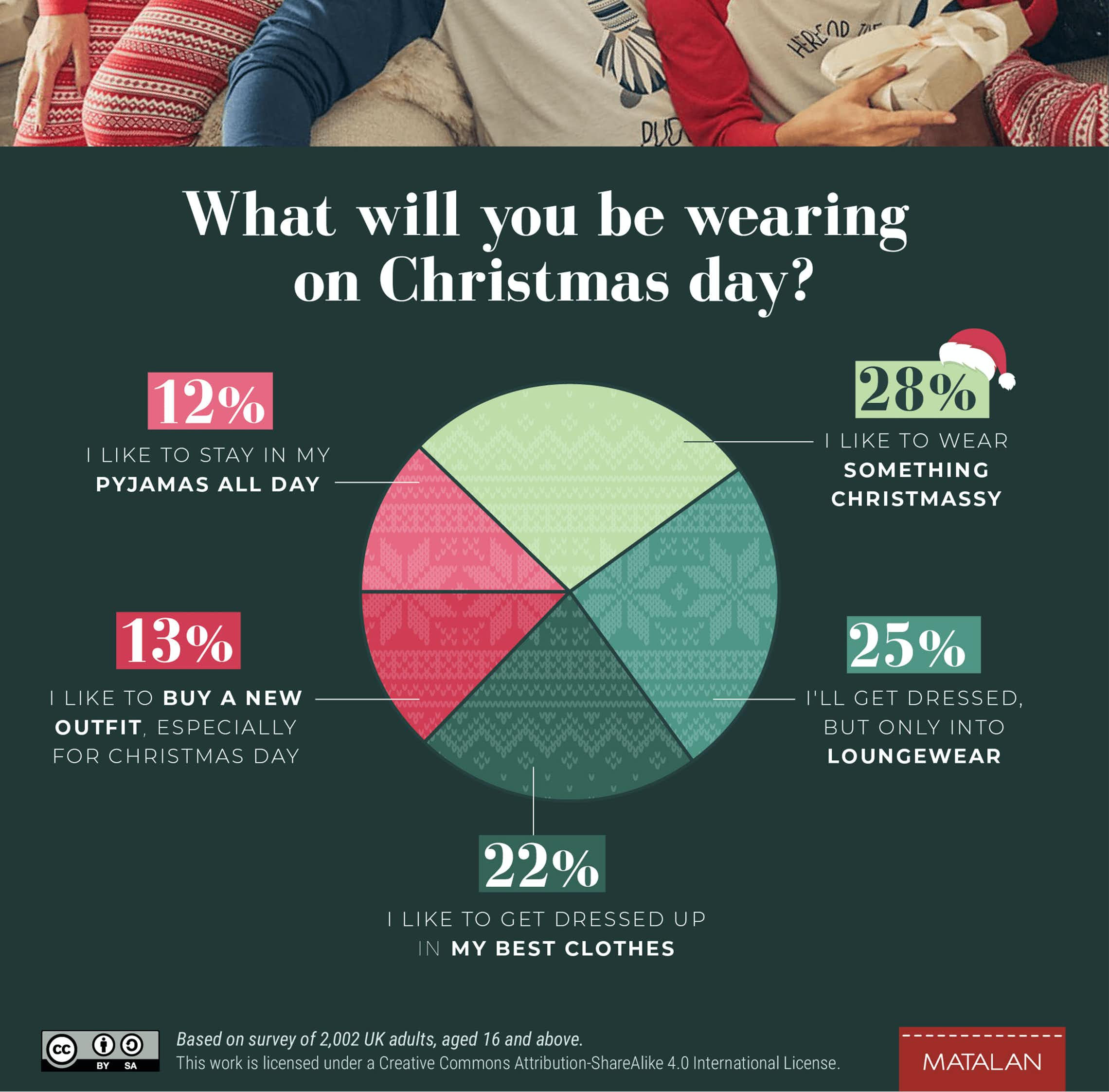
For many people, 2020 has been the year of loungewear, and it seems this trend will be continuing over the festive season. According to Matalan’s survey, 1 in 3 Brits will be keeping comfy for Christmas, spending the big day in either pyjamas or loungewear!

And in keeping with the rest of the year, video calls will be playing a major role, as Brits turn to Zoom, Facetime and Houseparty to spend time with loved ones. According to the survey results, 11am-12pm is the time most of us will be setting aside to arrange video calls with friends and family.

Looking at the rest of the big day, 12-1pm is when Brits will enjoy their first alcoholic drink, with most sitting down to dinner between 2pm and 3pm, before heading outside for a wintery walk.

Finally, we’ll be sitting down to enjoy our favourite festive films and TV shows, or starting a new board game between 7pm and 8pm.

Head over to the Matalan website to find out more, including what Brits will be eating for Christmas dinner this year – https://www.matalan.co.uk/christmas/christmas-day-plan

How coronavirus has changed day-to-day living in UK cities

DIY, baking and watching TV grow in popularity

People in cities across the UK are finding different ways to spend their time during the pandemic, according to analysis of data by Leeds Building Society.

Over 2,500 people in different UK cities were asked how their lives had changed as they adapted to spending more time in their homes during the pandemic. The data was part of a national survey by TLF Research*.

Growing vegetables is taking up more time for people living in Edinburgh (20%), Glasgow (18%) and Belfast (18%). Baking and home cooking has also risen in popularity in Belfast (44%), Leeds (43%), Southampton, Bristol and Cardiff (all 39%), Edinburgh (38%), Norwich (34%) and Glasgow (32%).

Notably, young people are spending more time in the kitchen, with 43% of 18 to 24-year-olds doing more cooking and baking – higher than any other age group, according to the findings.

The pandemic has made us all think about how we can improve our homes. DIY and painting and decorating proved popular in Liverpool (62%), Belfast and Sheffield (both 56%), Leeds (54%) and London (53%).

Other key findings from the survey:

People in Cardiff (46%), Leeds (45%), Sheffield (43%), Norwich, Glasgow, Nottingham (all 42%) said they are shopping online more. The biggest increase was among 18 to 24-year-olds (47%) and over 65-year-olds (47%).

In Manchester (72%), Leeds (67%), Liverpool (65%), Bristol (62%), Cardiff (61%) and Belfast (60%) respondents said they were watching more TV and films. Those aged 18-24 (75%) reported the highest rise; meanwhile the lowest was in the over-65s (52%).

People in London and Bristol (both 31%) and Southampton (27%) have all devoted more time to keeping fit.

In Leeds (24%), Glasgow (19%) and Belfast (18%), people said they were indulging in more home comforts like nice meals and buying more loungewear.

“It’s interesting to see how improvements around the house have become a priority for so many people across the country and how we are all adapting,” says Jaedon Green, Chief Customer Officer at Leeds Building Society.

“Lockdown gave us a chance to pause and think about our immediate and long-term goals, and for many of us this included making our home more comfortable and relaxing as we adapted to new ways of living.

“As people’s priorities shift it looks like more of us will be making changes to ensure we have the homes and lifestyles we want,” he adds.