Lib Dems demand answers on Water of Leith delays

Edinburgh Liberal Democrats have highlighted critical delays to Water of Leith environmental protection measures and are calling for faster action.

Responsing to a Council report on the Water of Leith water quality, local Lib Dems flagged up that a significant amount of planned infrastructure upgrades which are required to screen off sewage and detritus entering the river have been delayed until after 2027.

Over 10 projects will not begin until 2028, including the following Combined Sewage Overflows according to a March update to the High Priority Assets list including around Leith’s Shore, Junction Street, Stockbridge, Bonnington, Dean Village, Murrayfield, and at St Mark’s Park.

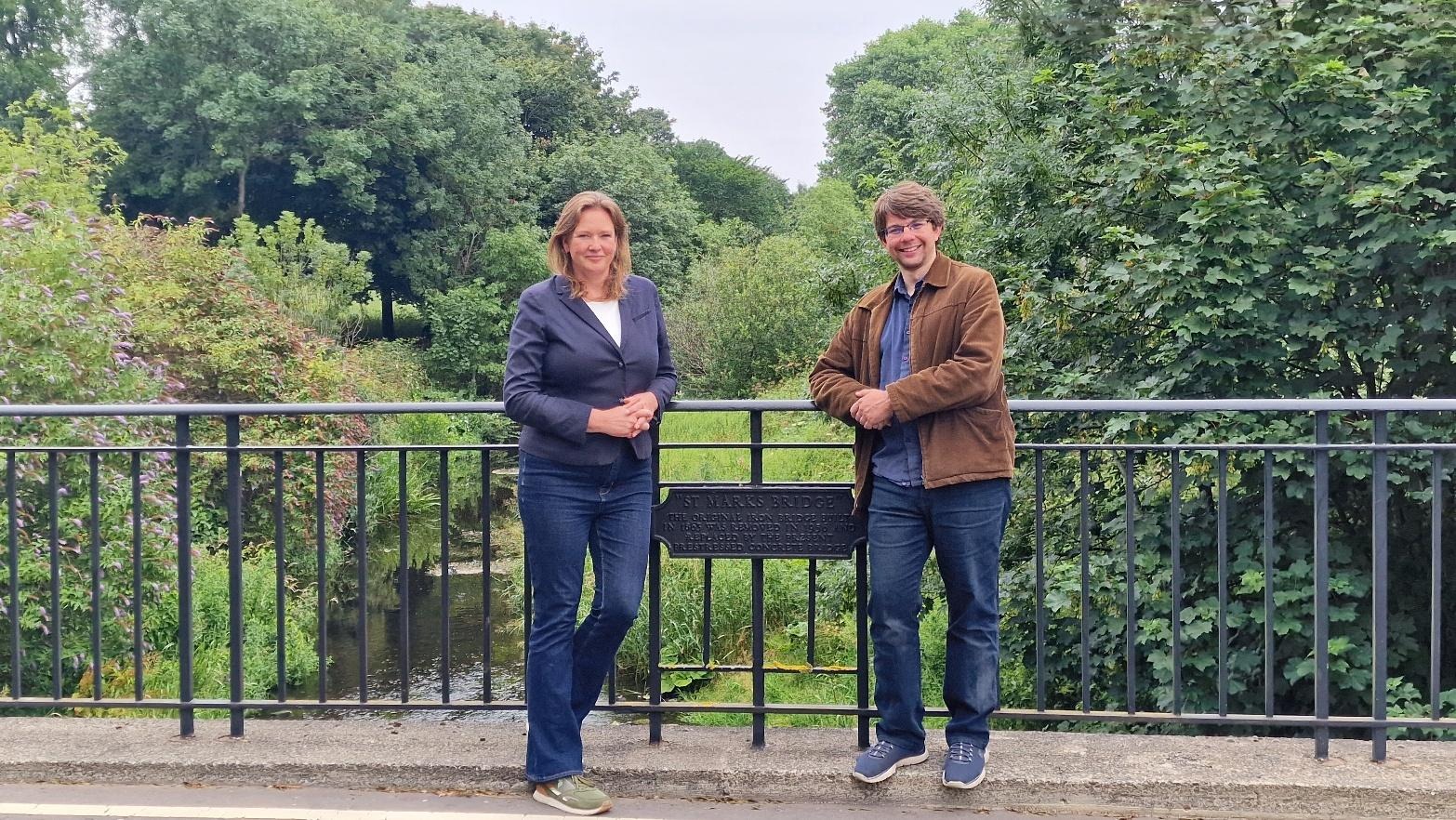
Edinburgh Northern MSP and Scottish Liberal Democrat Environment spokesperson Sanne Dijkstra-Downie, who recently called for year round monitoring of bathing waters, said: “The scale of the issue of lack of sewage monitoring is huge across Scotland, which is why rivers like the Water of Leith must be met with ambition.

“The Scottish Liberal Democrats will continue pushing for a Clean Water Act which will incentivise faster action to prevent pollution in our rivers and ocean”.

Commenting on the update, Leith Walk Councillor Jack Caldwell said: “This is incredibly disappointing as the Water of Leith was a key part of Scottish Water’s investment plan.

“Our river deserves to be clean for wildlife, plant life, and people alike. The Council must work constructively with national agencies and Scottish Water to accelerate environmental protections for our communities.”

Inverleith Councillor Hal Osler added: “Our natural environment is precious, and it’s up to all of us to look after it. These delays risk undermining progress won by so many residents, volunteers, and environmental campaigners.”

Transport and Environment spokesperson Councillor Kevin Lang got cross-party support in June for Edinburgh Council to write to Scottish Water to get answers on updated timescales.

Ending the sale of peat in Scotland

Phasing out use of peat to protect the environment

The sale of peat is set to be banned in Scotland, as part of wider plans to protect peatlands and reduce carbon emissions. 

As most extracted peat is used for horticulture, the Scottish Government is looking for views from gardeners and commercial growers.

The government is also asking for views from industry – those who extract peat, those who supply it, garden centres and other users of peat such as the fuel and whisky industries. 

The intention is to ban the retail sale of peat for home gardening first, before considering how a wider ban would affect commercial users.

Responses to the consultation will inform plans and timescales for moving away from using peat products in order to protect peatlands from further damage. Their protection and restoration form important components of Scotland’s response to the climate and nature emergencies.

Environment Minister Mairi McAllan said: “Peatlands are an integral part of our cultural and natural heritage and cover over a third of Scotland’s land area. In good condition, they help mitigate climate change and can support communities with green jobs.  In poor condition, though, the benefits are lost and peatlands become a source of carbon emissions.

“Restoring Scotland’s peatlands can help us fight climate change, support biodiversity and provide good, green jobs – often in rural communities. This is why we have invested £250 million to restore 250,000 hectares of peatlands over a 10 year period to 2030.  

“Hand in hand with our efforts to restore degraded peatlands, we must also do all we can to protect them.  This means we must consider how to stop using peat, whether extracted in Scotland or elsewhere.  

“We welcome a wide range of views to this consultation to ensure that we can set dates for ending the sale of peat that are both realistic and ambitious.”

Kirsty Wilson, Herbaceous Supervisor at Royal Botanic Garden Edinburgh.

Director of Horticulture at Royal Botanic Garden Edinburgh Raoul Curtis-Machin said: “The use of peat by gardeners now needs to be seriously challenged, when healthy non-degraded peat bogs in Scotland are critical in our fight against climate change and are immensely valuable for biodiversity.

“The Royal Botanic Garden Edinburgh (RBGE) is dedicated to plant conservation and stopped using peat more than 20 years ago, with no negative impacts on our world-class horticulture. Materials like milled pine bark and other fibrous woody material have proved to be a successful alternative to peat, even for the most challenging plants such as rhododendrons.”

Find out more: Ending the sale of peat: consultation – gov.scot (www.gov.scot)

Take part in the consultation: Ending the sale of peat in Scotland – Scottish Government – Citizen Space (consult.gov.scot)