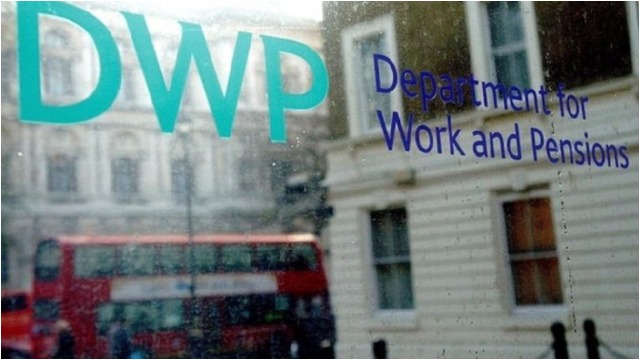
ThePCS trade union has condemned the decision to fully reopen jobcentres, reopen jobcentres, warning that it will increase the likelihood of avoidable Covid-19 infections.
Pre-lockdown opening hours for jobcentres will resume allowing a huge increase in face-to-face appointments for people to claim Universal Credit and other benefits.
However, the union has said that the move unnecessarily risks further outbreaks of Covid 19 and pointed out that DWP staff were delivering services to claimants successfully, working from home.
PCS are clear that the vast bulk of the interviews now expected to be done face to face can still be carried out remotely, and fear the real driver for targeting 18-24 year old UC claimants and customers in receipt of JSA back in to jobcentres, is less about providing much needed support to customers and more about reinstating the previous labour market and conditionality regime which saw thousands sanctioned, having their benefits removed.
The government’s instruction for civil servants to work from home if they can, is also still in place.
PCS said DWP management had ignored their concerns over potential Covid outbreaks, and the union added that its members would now consider all options, including taking strike action.
General Secretary Mark Serwotka said: “This reckless move by Ministers is wholly unnecessary and risks putting both claimants and job centre staff in harm’s way.
“DWP staff have been doing an incredible job delivering key services such as Universal Credit and helping those most in need, access the assistance they require, throughout the pandemic.
“It is counterproductive and arrogant for ministers to risk staff and the wider public’s health by resuming normal jobcentre opening hours before the vaccine is fully rolled out and when these services are being successfully delivered from home.
“The anger of our members is palpable and we are not ruling out strike action, until a just settlement is found.”
More than 150,000 jobseekers across Great Britain will benefit from new employment support, helping them build their interview skills, find local vacancies and quickly get back into work.
New Job Finding Support service launched to benefit 160,000 people over the next year
Support ranges from job searches and interview practice to advice on how to switch careers
Service to run in parallel to existing support available in jobcentres and by work coaches, as part of UK Government’s Plan for Jobs
A new team of 325 Job Search Advisers are now available online or over the phone, to support those recently unemployed who already have the skills and experience needed to move into a new career, but might not be sure where to start.
Over the next 12 months, an expected 160,000 jobseekers will receive digital support and advice, as part of a new Job Finding Support (JFS) service in a further boost to the Government’s Plan for Jobs.
The ‘quick-fire support’, which takes place across four one-to-one sessions and aims to be completed in a matter of weeks, offers mock interviews, help to identify transferable skills and advice on how to switch industries, as well as online group sessions to improve job search techniques.
Secretary of State for Work and Pensions Therese Coffey (above) said: “Job Finding Support will help jobseekers brush up on interview skills and advice, giving them a helping hand to move back into work quickly.
“Our Plan for Jobs is helping us build back better and fairer, getting job support to people who need it right across Britain and levelling up opportunity.”
The service is completely voluntary to all jobseekers who have been unemployed for less than 13 weeks and are claiming benefits. Participants are referred to the scheme through their Work Coach.
As the Department for Work and Pensions drives forward the Plan for Jobs, it has supported over 40,000 people to retrain and upskill on the Sector-based Work Academy Programme; and recruited 8,500 new Work Coaches to spearhead efforts to get Britain working again.
Chief Executive of ERSA, Elizabeth Taylor, said: “The government’s Plan for Jobs package of labour market initiatives is helping people to provide for their families throughout the pandemic, and Job Finding Support is another important step in helping jobseekers in these difficult times.”
Job Finding Support will run in parallel to existing support that is available in jobcentres, and will complement the role of Work Coaches who provide more intensive support for jobseekers, including anyone facing specific difficulties returning to work.
This service will also free up frontline staff as they continue to help people access the financial support they need through the welfare safety net.
The devolved administrations have united to call on the UK Government to ensure those who are entitled to financial support are receiving it.
Social Security Secretary Shirley-Anne Somerville has joined Ministers from Wales and Northern Ireland in writing to the Secretary of State for Work and Pensions, Thérèse Coffey, asking to work together to create a benefit take-up strategy.
The devolved nations have also asked the UK Government to make permanent the current £20 a week increase for Universal Credit (UC) and extend it to the benefits which will eventually be replaced by UC, such as Working Tax Credits. The uplift was introduced to help low-income families cope with the extra cost of the COVID-19 outbreak, and is to come to an end in April 2021.
Ms Somerville said: “It’s vital that we make every effort to ensure everyone is aware of and able to access the support available to them.
“Maximising benefit take-up is a moral obligation, especially in these uncertain times when there is clear evidence of increased need for support.
“The £20 uplift was needed before the pandemic, and so it is vital now. People must be given the certainty that it will be made permanent and that they are not facing a cliff edge in a matter of months when this support is pulled.”
The Welsh Government’s Deputy Minister for Housing and Local Government Hannah Blythyn said: “The pandemic will cast a long shadow on those who are most in need and has reiterated the importance of a robust financial safety net for individuals and families, ensuring existing funding programmes have the maximum impact on the lives of those in poverty.
“Having a strategic UK approach will ensure that everyone can get the support they need during this difficult time.”
The Scottish Government published its first Benefit Take-up Strategy in October 2019, and will publish the next one by October 2021.
Northern Ireland’s benefit take-up initiative Make the Call has generated over £260 million in additional annual benefits for its residents since 2005.
It aims to ensure that every individual and household is receiving all the social security benefits and other supports and services to which they are entitled. The most recent results for 2019/20 show that this has benefited just under 10,000 people who are now better off by an average of £88 per person per week.
The Department for Work and Pensions has no published approach to promoting UK benefits or supporting people to access the money which they are due.
Many people need to be in receipt of a DWP benefit in order to claim other benefits – for example the Scottish Child Payment, where eligibility is reliant on receipt of UC, or Pension Credit which means people can claim a Council Tax reduction, or those over 75 qualify for a free TV licence. So it is vital people are aware of what they are entitled to.
As part of their Benefit Take-up Report – published 11 March 2020 – the Scottish Parliament’s Social Security Committee recommended that the UK Government develops a strategy that aims to maximise take-up of reserved benefits across the UK.
A report by the National Association of Welfare Rights Advisors, published in September, showed a 40% reduction in claims for Personal Independence Payment (PIP) being made during the pandemic. Almost 90% of those surveyed have never seen a take-up advert for PIP.
Independent Age has called for ‘an ambitious action plan detailing how the UK government will work to increase the uptake of Pension Credit over the next five years’. More details here.
This follows research which concluded that if Pension Credit take-up was lifted from 61 per cent to 100 per cent, then almost 450,000 pensioners could be lifted out of poverty, reducing pensioner poverty to its lowest ever level, and resulting in substantial savings to the NHS and social care systems over the long term.
New approach will ensure dignity, fairness and respect
There will be no DWP- style assessments to access disability assistance under the new Scottish social security system, says Social Security Minister Shirley-Anne Somerville.
Decisions will be made using information gathered through the applications process including from health care providers
Should more detail be required to make decisions on an application for the new Adult Disability Payment, it will be gathered through a consultation which will be based on a conversation between a healthcare professional employed by the Scottish Government and the client. There will be no private sector involvement in this process.
Most consultations will be by phone but can be face to face in a GP practice or even at home, whatever works best for the person applying. No-one will be asked to carry out tasks in order to prove the impact of their disability or health condition.
Cabinet Secretary for Social Security and Older People, Shirley-Anne Somerville, said: “Two of our principles enshrined in law is that social security is a public service and an investment in people – it is there for all of us when and where we need it. So no one should ever experience stress when accessing the support they are entitled to.
“People who require disability assistance will already face a number of challenges and interacting with a benefit system shouldn’t become another one. That is why I am pleased to set out plans for Scotland’s new system – plans that will make sure that people are treated with dignity, fairness and respect.
“We want people to feel that they have been treated well and fairly at every stage – from having an application form that is clear and easy to use right through to how we make sure someone is still able to access money when they want to appeal our decisions.
“Getting rid of degrading assessments that our Experience Panels told us were ‘traumatic and intrusive’ is the right thing to do. It is an obvious change but one that will make a massive difference to people.
“I’d like to thank the people who have worked with us to design this service – the volunteers on our Experience Panels and stakeholders. Together we will deliver a markedly different benefit system and create a public service that we can all be truly proud of.”
As the clocks go back this Sunday check if you are eligible for the UK Government’s Cold Weather Payments Scheme.
£27 million in total paid out in 2018-19.
£25 cash available for every week of cold weather between 1st November and 31st March.
As the nights get longer, the clocks go back and the temperatures drop you could be entitled to cash from the UK Government to help with your energy bills and keep your home warm.
Cold Weather Payments total £25 for each seven days of actual or forecast temperatures below freezing in your area between 1st November and 31st March.
If you receive Pension Credit, Income Support, income-based Jobseeker’s Allowance, Employment and Support Allowance, Universal Credit or Support for Mortgage Interest then you may be eligible.
Baroness Stedman-Scott said:“Winter can be a difficult time for people, and our Cold Weather Payment will help you keep your home warm as temperatures drop.
“Payments are made automatically but if you think you might be eligible, you can check online to see if your area is due a payment and plan accordingly.”
Cold Weather Payments do not affect your other benefits.
UK Government Scotland Minister, Iain Stewart said:“Looking after our fellow citizens and protecting the vulnerable in our communities is more important than ever as we overcome the coronavirus pandemic.
“The UK Government is committed to helping those in need stay warm during a cold Scottish winter. We know the difference Cold Weather Payments make and I encourage people to check online to see if they’d be eligible to receive this additional UK Government support.”
More than half of children living in some constituencies are living in poverty after housing costs are factored in.
Highest rates of child poverty in London and Birmingham
Sharpest increases in child poverty in Midlands and northern cities.
Local authority and constituency data available below.
Child poverty has risen most sharply in parts of the Midlands and Northern towns and cities in the past four years, according to research published today by the End Child Poverty coalition showing the scale of the challenge faced by government if it is to realise its ambition to build back better and level up opportunities for children across the UK.
The research by Loughborough University shows that, before the pandemic, in some parts of the country the majority of children were growing up in poverty, once housing costs are taken into account.
The greatest concentrations of children living in poverty are in London, with London boroughs and parts of Birmingham dominating the list of local authorities where child poverty is highest. In a dozen constituencies in London and Birmingham, more than half the children are living below the poverty line.
Yet the research also shows that the problem is not confined to the UK’s two largest cities. In the last four years, child poverty has risen fastest in parts of the Midlands and Northern towns and cities. Middlesbrough and parts of Tyneside have seen child poverty rates soar by over 10 percentage points since 2014/15.
In the past, low incomes in these areas were counteracted by cheaper housing costs, but during the five years leading up to 2018/19, rents in other parts of the country have risen by the same amount as in the capital, so in places where incomes are being depressed, this is less likely to be offset by falling relative housing costs.
Many of these families find, that once their housing costs are paid, they do not have enough money to meet their children’s needs and are left no option but to turn to crisis help, like food banks, and are increasingly reliant on free school meals.
The impact of poverty on children is well documented with children from low income families more likely to experience worse physical and mental health; do less well in school; and have fewer opportunities in the future.
The coalition is calling on the Government to recognise the scale of the problem and its impact on children’s lives. They are urging the Government to set out an ambitious plan to tackle child poverty encompassing not only social security spending but the high cost of housing and childcare and investment in children’s services.
The report is based on data published by the Department for Work and Pensions in March 2020, and on estimates of the effect of housing costs on poverty rates produced by the Centre for Research in Social Policy at Loughborough University, based on survey evidence.
Earlier this year, Boris Johnson was rebuked by the statistics watchdog for his repeated misuse of child poverty statistics. The Statistics Authority upheld a complaint from the End Child Poverty coalition judging that on three separate occasions his statements on child poverty were ‘incorrect’.
Anna Feuchtwang, Chair of End Child Poverty which commissioned the research, said: “The Government can be in no doubt about the challenge it faces if it is serious about ‘levelling up’ disadvantaged parts of the country.
“This new data reveals the true extent of the hardship experienced by families on low incomes – the overwhelming majority of which were working households before the pandemic. The children affected are on a cliff edge, and the pandemic will only sweep them further into danger.
“The Prime Minister must urgently admit to the true extent of child poverty in our country rather than resorting to his own inaccurate statistics. An ambitious plan to put this shameful situation right would be transformational for millions of children.
“As a matter of urgency we are calling on the Chancellor not to go ahead with planned cuts to Universal Credit which would see families lose out on £1000 a year. Given today’s data, this cut is unconscionable.”
End Child Poverty is calling for an urgent Government plan to end child poverty including:
Uprating of housing assistance in line with inflation;
Retain the £20 uplift in Universal Credit introduced at the start of the pandemic, which the Government has indicated will end in April 2021(a move supported by over 63k people and counting who have signed a petition to the Government);
End the benefit cap and the two-child limit on benefits;
Invest in all children with an increase to child benefit
Extend Free School Meals to all families in receipt of Universal Credit and those with No Recourse to Public Funds
The full report ‘Local indicators of child poverty after housing costs, 2018/19’, as well as tables with local data, are available at: www.endchildpoverty.org.uk
THE PICTURE IN SCOTLAND
Child poverty has risen in nearly every Scottish local authority and Westminster constituency since 2014/15, according to research published today by the End Child Poverty coalition.
The new data shows the scale of the challenge faced by UK, Scottish and local government if commitments to end child poverty in Scotland are to be met and the promise to level up opportunities for children across the UK realised.
The research by Loughborough University shows that, even before the pandemic, levels of child poverty in Scotland ranged from one in seven children in the Shetland Islands to nearly one in three in Glasgow, once housing costs are taken into account. The varying impact of housing costs on levels of child poverty in different parts of the country is highlighted.
The data shows London boroughs and parts of Birmingham dominating the list of UK local authorities where child poverty is highest – however the campaigners say that there can be no room for complacency in Scotland.
They highlight that the impact of poverty on children is well documented with children from low income families more likely to experience worse physical and mental health; do less well in school; and have fewer opportunities in the future.
The coalition is calling on the UK Government to recognise the scale of the problem and its impact on children’s lives. They are urging UK Ministers to set out an ambitious plan to use Westminster powers to tackle child poverty across the UK, and are asking the Holyrood government to build on the Scottish child poverty delivery plan already in place.
They welcome the new Scottish child payment which will see eligible children under six entitled to £10 per week additional support from February 2021, with all under 16s benefitting by the end of 2022.
However they say that just to stop child poverty rising will require a doubling in the value of the new payment, and that families need urgent cash support now to bridge the gap until it’s roll out.
The report is based on data published by the Department for Work and Pensions in March 2020, and on estimates of the effect of housing costs on poverty rates produced by the Centre for Research in Social Policy at Loughborough University, based on survey evidence.
Earlier this year, Boris Johnson was rebuked by the statistics watchdog for his repeated misuse of child poverty statistics. The Statistics Authority upheld a complaint from the End Child Poverty coalition judging that on three separate occasions his statements on child poverty were ‘incorrect’.
Speaking on behalf of members of End Child Poverty in Scotland, John Dickie, said: “The Prime Minister must urgently face up to the true extent of child poverty across the UK rather than resorting to his own inaccurate statistics. An ambitious plan to put this shameful situation right would be transformational for millions of children in Scotland and across the UK.
“As a matter of urgency we are calling on the Chancellor not to go ahead with planned cuts to Universal Credit which would see families lose out on £1000 a year. Given today’s data, this cut is unconscionable.”
Mr Dickie also called for more action from government in Scotland: “Here in Scotland the Holyrood government’s child poverty delivery plan and prioritisation of the new Scottish child payment are hugely welcome.
“But these new figures highlight the importance of keeping housing costs affordable, the importance of reviewing the value of the Scottish child payment and the urgent need to use existing payment mechanisms, like local authority school clothing grants, to provide extra financial support to families right now.”
End Child Poverty is calling for an urgent UK Government plan to end child poverty including:
Uprating of housing assistance in line with inflation;
Retaining the £20 uplift in Universal Credit introduced at the start of the pandemic, which the Government has indicated will end in April 2021(retaining the uplift is supported by over 63k people who have signed a petition to the UK Government);
Ending the benefit cap and the two-child limit on benefits;
Investing in all children with an increase to child benefit
The full report ‘Local indicators of child poverty after housing costs, 2018/19’, as well as tables with local data, are available at: www.endchildpoverty.org.uk
Children living in poverty, below 60% median income after housing costs, by Scottish local authority
Local authority
Number
Percentage
Percentage point change (2015-19)
2014/15
2018/19
2014/15
2018/19
Aberdeen City
6439
7471
19.2%
21.5%
2.3
Aberdeenshire
7622
7938
15.6%
16.1%
0.5
Angus
4253
4608
21.6%
24.0%
2.4
Argyll and Bute
2876
3056
21.2%
23.4%
2.2
City of Edinburgh
14145
15295
18.8%
19.5%
0.7
Clackmannanshire
2250
2409
24.8%
26.8%
2.0
Dumfries and Galloway
5610
6141
23.4%
26.2%
2.8
Dundee City
5812
6540
24.5%
27.3%
2.8
East Ayrshire
5250
5899
24.8%
27.9%
3.1
East Dunbartonshire
2899
3109
15.7%
16.1%
0.5
East Lothian
4188
4489
22.3%
23.3%
1.0
East Renfrewshire
2791
2940
15.4%
15.2%
-0.2
Falkirk
6555
6929
23.1%
24.5%
1.4
Fife
15390
16993
24.0%
26.3%
2.4
Glasgow City
26146
31823
27.0%
31.8%
4.8
Highland
8637
9054
21.5%
23.0%
1.6
Inverclyde
2904
3013
22.1%
23.8%
1.7
Midlothian
3713
4068
22.8%
23.2%
0.4
Moray
3480
3617
21.0%
22.4%
1.5
Na h-Eileanan Siar
768
847
17.3%
19.5%
2.2
North Ayrshire
5895
6448
25.2%
28.3%
3.0
North Lanarkshire
15503
16528
24.4%
26.2%
1.8
Orkney Islands
691
779
19.8%
21.9%
2.1
Perth and Kinross
5013
5403
20.4%
22.2%
1.7
Renfrewshire
6083
6958
20.2%
23.0%
2.8
Scottish Borders
4132
4544
21.6%
23.9%
2.3
Shetland Islands
549
608
12.8%
14.4%
1.6
South Ayrshire
4167
4404
23.3%
25.0%
1.7
South Lanarkshire
12083
12799
22.0%
23.2%
1.2
Stirling
3168
3285
20.5%
21.3%
0.8
West Dunbartonshire
3861
4310
24.6%
27.4%
2.8
West Lothian
7632
8380
21.7%
23.7%
1.9
Child poverty, % of children below 60% median income, before (BHC) and after (AHC) housing costs, by Scottish local authority
2018/19
2018/19
BHC
AHC
percentage point difference
between BHC and AHC
Aberdeen City
14.9%
21.5%
6.6
Aberdeenshire
10.4%
16.1%
5.7
Angus
17.6%
24.0%
6.4
Argyll and Bute
17.3%
23.4%
6.1
City of Edinburgh
12.6%
19.5%
6.9
Clackmannanshire
20.8%
26.8%
6.0
Dumfries and Galloway
20.6%
26.2%
5.6
Dundee City
21.4%
27.3%
5.9
East Ayrshire
22.9%
27.9%
5.0
East Dunbartonshire
10.4%
16.1%
5.7
East Lothian
15.8%
23.3%
7.5
East Renfrewshire
10.0%
15.2%
5.2
Falkirk
18.1%
24.5%
6.4
Fife
20.5%
26.3%
5.8
Glasgow City
28.0%
31.8%
3.8
Highland
16.7%
23.0%
6.3
Inverclyde
17.7%
23.8%
6.1
Midlothian
15.7%
23.2%
7.5
Moray
16.1%
22.4%
6.3
Na h-Eileanan Siar
13.4%
19.5%
6.1
North Ayrshire
23.4%
28.3%
4.9
North Lanarkshire
20.6%
26.2%
5.6
Orkney Islands
15.6%
21.9%
6.3
Perth and Kinross
15.7%
22.2%
6.5
Renfrewshire
16.9%
23.0%
6.1
Scottish Borders
17.6%
23.9%
6.3
Shetland Islands
9.3%
14.4%
5.1
South Ayrshire
19.2%
25.0%
5.8
South Lanarkshire
17.2%
23.2%
6.0
Stirling
14.9%
21.3%
6.4
West Dunbartonshire
21.9%
27.4%
5.5
West Lothian
17.1%
23.7%
6.6
Child poverty, % of children below 60% median income after housing costs (AHC), by Westminster constituency
Parliamentary constituency
Number
Percentage
Percentage point change (2015-19)
2014/15
2018/19
2014/15
2018/19
Aberdeen North
3334
4087
22.0%
26.5%
4.5
Aberdeen South
1925
2322
13.9%
16.0%
2.1
Airdrie and Shotts
4151
4410
25.5%
27.2%
1.7
Angus
3320
3649
22.9%
25.7%
2.8
Argyll and Bute
2809
3021
20.6%
23.2%
2.5
Ayr, Carrick and Cumnock
3913
4212
26.2%
28.6%
2.5
Banff and Buchan
3246
3365
20.1%
20.8%
0.7
Berwickshire, Roxburgh and Selkirk
3436
3886
22.4%
25.2%
2.8
Caithness, Sutherland and Easter Ross
2385
2546
23.1%
25.6%
2.5
Central Ayrshire
3630
3959
24.7%
27.0%
2.3
Coatbridge, Chryston and Bellshill
4294
4548
24.0%
25.9%
1.8
Cumbernauld, Kilsyth and Kirkintilloch East
3398
3745
21.3%
23.3%
2.0
Dumfries and Galloway
3753
4058
24.3%
26.8%
2.5
Dumfriesshire, Clydesdale and Tweeddale
3014
3310
21.2%
23.8%
2.6
Dundee East
3385
3607
21.5%
23.1%
1.7
Dundee West
3236
3801
24.6%
28.2%
3.6
Dunfermline and West Fife
3887
4342
21.1%
23.2%
2.1
East Dunbartonshire
2289
2292
16.2%
15.6%
-0.7
East Kilbride, Strathaven and Lesmahagow
3242
3602
18.3%
20.3%
2.0
East Lothian
4172
5058
22.2%
26.2%
3.9
East Renfrewshire
3119
3326
17.2%
17.2%
0.0
Edinburgh East
2808
3088
21.6%
22.8%
1.2
Edinburgh North and Leith
2909
3116
19.0%
19.9%
0.9
Edinburgh South
2105
2180
14.7%
14.7%
0.0
Edinburgh South West
2884
3049
18.6%
19.2%
0.6
Edinburgh West
2432
2900
14.3%
15.8%
1.5
Na h-Eileanan an Iar
700
799
15.8%
18.4%
2.6
Falkirk
4274
4594
21.8%
23.8%
2.0
Glasgow Central
3859
5561
32.8%
41.3%
8.5
Glasgow East
4316
5313
27.1%
30.6%
3.5
Glasgow North
2473
2882
27.7%
31.2%
3.5
Glasgow North East
4150
4850
28.0%
33.4%
5.4
Glasgow North West
3672
4289
24.8%
29.0%
4.2
Glasgow South
3820
4350
26.4%
30.8%
4.4
Glasgow South West
4549
5298
28.0%
31.8%
3.9
Glenrothes
4390
4853
27.1%
29.8%
2.7
Gordon
2098
2550
11.5%
13.5%
2.0
Inverclyde
2818
2926
21.4%
23.2%
1.7
Inverness, Nairn, Badenoch and Strathspey
3697
3912
20.4%
21.5%
1.1
Kilmarnock and Loudoun
4091
4624
24.3%
27.6%
3.3
Kirkcaldy and Cowdenbeath
4706
5293
26.2%
29.2%
3.0
Lanark and Hamilton East
3673
3865
23.0%
23.8%
0.7
Linlithgow and East Falkirk
4885
5173
22.1%
22.5%
0.4
Livingston
4580
5152
21.2%
24.2%
3.1
Midlothian
3497
3843
21.4%
21.8%
0.4
Moray
3367
3552
20.4%
22.0%
1.6
Motherwell and Wishaw
4518
4821
26.2%
27.7%
1.5
North Ayrshire and Arran
3957
4237
24.8%
27.6%
2.8
North East Fife
2158
2402
18.9%
21.1%
2.3
Ochil and South Perthshire
3790
4031
21.2%
22.5%
1.3
Orkney and Shetland
1346
1470
17.3%
19.0%
1.7
Paisley and Renfrewshire North
2954
3421
18.7%
20.8%
2.0
Paisley and Renfrewshire South
2817
3380
19.8%
24.8%
5.0
Perth and North Perthshire
3438
3690
22.0%
23.8%
1.9
Ross, Skye and Lochaber
2399
2478
20.7%
22.3%
1.6
Rutherglen and Hamilton West
4491
4720
23.3%
24.4%
1.0
Stirling
3099
3202
20.0%
20.7%
0.7
West Aberdeenshire and Kincardine
1904
2139
10.2%
11.4%
1.2
West Dunbartonshire
3867
4305
24.7%
27.4%
2.7
About End Child Poverty
End Child Poverty is a coalition of organisations from civic society including children’s charities, child welfare organisations, social justice groups, faith groups, trade unions and others, united in our vision of a UK free of child poverty. For more details visit: www.endchildpoverty.org.uk
End Child Poverty members in Scotland include Aberlour, Action for Children, Barnardo’s Scotland, Child Poverty Action Group (CPAG) in Scotland, Children 1st, Close the Gap, Engender, One Parent Families Scotland, Oxfam Scotland, Poverty Alliance, and Save the Children.
The 20 UK constituencies with the highest increases in AHC (after housing costs) child poverty 2014/15 -2018/19
Constituency
% of children below 60% median income AHC
2014/15
2018/19
%age point increase
UK
28%
30%
2%
Middlesbrough
31.2%
47.2%
16.0%
Newcastle upon Tyne Central
31.7%
45.2%
13.5%
Birmingham Hodge Hill
40.5%
53.8%
13.4%
Bradford West
34.9%
47.8%
12.9%
Birmingham Ladywood
41.8%
54.5%
12.7%
Birmingham Yardley
32.4%
44.7%
12.4%
South Shields
28.2%
39.3%
11.1%
Bradford East
36.4%
46.9%
10.5%
Newcastle upon Tyne East
27.1%
36.8%
9.7%
Bolton South East
37.1%
46.7%
9.6%
Sedgefield
23.5%
33.0%
9.5%
Hartlepool
27.6%
37.1%
9.5%
Oldham West and Royton
38.5%
48.0%
9.4%
Gateshead
26.0%
35.3%
9.3%
Blackburn
38.1%
47.3%
9.2%
Jarrow
23.5%
32.6%
9.1%
Middlesbrough South and East Cleveland
24.2%
33.2%
9.0%
Manchester Gorton
38.6%
47.6%
9.0%
North Durham
24.3%
33.3%
9.0%
Easington
25.8%
34.6%
8.8%
The 20 UK constituencies with the highest AHC compared to BHC (before housing costs) poverty rates, 2018/19
People who have lost their jobs or who are at risk of redundancy as a result of coronavirus (COVID-19) can access support to retrain through a new fund launched by Economy Secretary Fiona Hyslop this week.
The £25 million National Transition Training Fund – a flagship Programme for Government commitment – will help up to 10,000 people aged 25 and over to develop the skills required to move into sectors with the greatest potential for future growth and job opportunities.
The fund will help to boost the supply of skills in areas such as sustainable green jobs and raise the profile of training opportunities linked to Scotland’s transition to a net zero economy.
Ms Hyslop said: “This is a very worrying time for many people – particularly for those working in sectors most affected by the pandemic and whose livelihoods are at risk.
“That is why we are doing everything we can to protect jobs and ensure that people faced with redundancy can get back to work as quickly as possible.
“The National Transition Training Fund will help people take advantage of the jobs available in growth areas of the economy, such as digital and green technologies.It will also be responsive to industry needs and targeted towards the most exposed sectors including oil and gas, aviation and tourism.
“As we recover from the pandemic, it is our ambition to create a stronger, more resilient, more sustainable economy. Ensuring people have the right skills to futureproof their careers will be crucial in achieving that goal.”
Skills Development Scotland will be responsible for the initial £11 million phase of the fund, which is now live and will help up to 6,000 people by March 2021.
People accessing the fund will be in control of their own training plan but will have the support of advisers with knowledge of local job opportunities so they can make informed decisions about their future career.
Frank Mitchell, Chair of SDS, said: “The National Transition Training Fund is an important part of the plan for how Scotland can emerge strongly from this crisis with more of the skills that will drive our future economy.
“For anyone currently facing or dealing with redundancy, the fund offers the chance to get vital training offering a pathway towards jobs in growth areas.
“For employers, it’s also an opportunity to access some of the most in-demand skills that are needed to speed up economic recovery and return to growth.”
Stuart McKenna, Chief Executive of the Scottish Training Federation, said: “We welcome the introduction of this new fund which will help people re-shape and develop their existing skills – and through bespoke support, develop a portfolio of skills much needed in growth sectors.
“The focus on ensuring that people have control over their own training plan is particularly welcome. This will promote ownership of their future career and allow them to develop the skills that will give the best opportunities in their specific circumstances.”
The first phase of the National Transition Training Fund will be administered by Skills Development Scotland (SDS) on behalf of Scottish Government, with work coaches from the Department for Work and Pensions (DWP) and PACE advisers from SDS providing advice and support. Two further strands will launch this autumn.
The Fund is open to anyone aged 25 or over who is unemployed, economically inactive or at risk of unemployment due to the impact of Covid-19.
The report, published in June, made a number of recommendations about supporting those claiming Universal Credit, as well as legacy benefits and those with no recourse to public funds due to their immigration status.
It also made recommendations on the HSE and called on the DWP to develop a strategy for dealing with the effects of the economic downturn.
Committee Chair Stephen Timms MP has now written to the Secretary of State Thérèse Coffey MP to press the Department on a number of points not addressed by the Government response.
Rt Hon Stephen Timms MP, Chair of the Work and Pensions Committee, said: “We don’t necessarily expect the Government immediately to accept every recommendation we make. But we do expect that it will at least explain its position. This response to our report leaves many questions unanswered.
“In the course of our inquiry, we heard concerns that the Government’s very welcome increases to some benefit rates would be undermined by the benefit cap. Ministers assured us in April that only a small number of people would be affected. In fact, DWP’s own statistics show that 84,000 households were newly capped between February and May this year.
“The Secretary of State also assured the House in May that she was looking very carefully at what could be done for people who had mistakenly applied for Universal Credit and left themselves worse off as a result. We recommended that the Government act urgently to put this right. It now seems that nothing is going to be done for these people. If that’s the case, the Government should say so clearly, and explain why.
“Just as importantly, there seems to be little acknowledgement of the role of the Department in planning for future pressure on the social security system. There needs to be a firm commitment to analysing how coronavirus has affected levels of poverty and a clear strategy—available for public scrutiny— for coordinating the employment response to the economic downturn.”
Citizens Advice and Citizens Advice Scotland to receive funding boost of up to £15 million to help them deal with increased demand during the COVID-19 pandemic.
Citizens Advice and Citizens Advice Scotland have experienced an unprecedented rise in demand during the pandemic
up to £15 million funding will help them provide advice and information on a range of financial, legal and consumer issues
part of a £750 million package set out by the Chancellor for frontline charities
Citizens Advice and Citizens Advice Scotland will receive a funding boost of up to £15 million to help them deal with increased demand for advice and information from the public during the COVID-19 pandemic, the UK Government’s Consumer Affairs Minister Paul Scully has announced.
The funding will allow them to increase their capacity so they can continue to deliver advice on a range of issues, such as if a person cannot pay their bills due to coronavirus, or how they can protect themselves from or report a coronavirus-related scam.
The money is part of a £750 million pot announced by the Chancellor Rishi Sunak to help frontline charities continue their vital work during the outbreak.
In line with government advice on social distancing, Citizens Advice, which operates in England and Wales, and Citizens Advice Scotland have temporarily closed their 331 offices, suspended outreach services and shifted their advice services online and over the phone.
They have since seen a significant increase in demand for telephone advice and webchats, and this funding will help them to continue to deliver their services remotely as well as ensuring their online content reflects the most up to date advice.
The Department for Digital, Culture, Media and Sport has led the allocation of funding to support charities providing key services to help vulnerable people during the crisis.
Consumer Affairs Minister Paul Scully said: “Citizens Advice and Citizens Advice Scotland have continued to provide an invaluable service to the public throughout this deeply unsettling period.
“Now more than ever, it is imperative people have access to free, confidential advice on money, legal and consumer problems.
“This funding will ensure Citizens Advice and Citizens Advice Scotland have the right resources to provide people with the support they need, when they need it most.
UK government Minister for Scotland Douglas Ross said: “I welcome this funding for Citizens Advice Scotland who provide a vital service that is needed even more during these uncertain times.
“The £15 million package of support from the UK government will ensure they continue to meet the rise in demand to help people across Scotland with their financial, legal and consumer concerns.
“As we all continue to cope with the struggles COVID-19 has brought, it is crucial we work together to make sure we are equipped with the best support to see us through.”
Culture Secretary Oliver Dowden said: “In these challenging times, it is vital the British people have access to all the information they need to stay safe and well. This funding will mean those who need advice can get it – whether it’s about finances, employment or the measures we are taking to help protect the public and our NHS.
“This investment is part of a wider government support package for charities on the front line so that they can continue to help those in need.
Dame Gillian Guy, Chief Executive of Citizens Advice, said: “During this pandemic we’ve seen a surge in people coming to us for advice. We expect this demand will carry on as people’s lives continue to be affected by the economic impact of COVID-19.
“This funding will allow us to increase the support we can provide over the phone and online – especially to those who need it most.
“The effects of COVID-19 will continue to be felt for a long time. Support for Citizens Advice and other charities is crucial to making sure that everyone has access to the help they need at this incredibly challenging time.”
The proportion of advice issued by the Citizens Advice network relating to employment doubled between March and April and quadrupled since February, the organisation says.
The Citizens Advice service is supported and delivered by more than 21,300 volunteers.
Citizens Advice Scotland Chief Executive Derek Mitchell said: “This additional support for the Citizens Advice network is hugely welcome.
“All across Scotland individual bureaux staff and volunteers have done incredible work transitioning to remote working to ensure people are still getting the advice and support they need.”
Last year. the Department of Work and Pensions funded the Citizens Advice network to the tune of £51 million to provide Universal Credit support – but more than two million people have applied for Universal Credit since the lockdown in March.
Welcoming the announcement of additional funding, a spokesperson for Citizens Advice said: “This funding will help ensure our network can adapt to meet the challenges presented by COVID-19, and continue to deliver the advice people need.”
The Disability Benefits Consortium (DBC), a network of over 100 organisations, have written an open letter (below) to Thérèse Coffey, Secretary of State for Work and Pensions to call for urgent changes to the benefits system to ensure we protect disabled and seriously unwell people from further physical and financial harm during the covid-19 emergency.
Using our combined knowledge, experience and direct contact with millions of disabled individuals, people with long-term health conditions and carers, we seek to ensure that Government policy reflects and meets the needs of all disabled people.
The DBC welcomes the recently announced measures designed to protect the incomes of large numbers of people whose livelihoods have been adversely impacted by the Covid-19 crisis. But we believe that these support measures need to go further.
People living with a disability and those with long-term health conditions tend to have lower real incomes and higher costs than the general population and we are calling on the Government to produce a more comprehensive package of support, to better protect these individuals and their families, at this difficult time.
1. One of the most pressing issues is the current level of demand on the system due to the unprecedented number of new claims. This is causing extremely long waiting times and problems with the digital claims process. We welcome the commitment to expand the Department’s capacity, but the challenge remains considerable. We believe that the Government should give high priority to resolving urgently the technical and capacity issues involved.
Also, clear guidance must be made available (to the public and to staff) regarding the correct process to make both a digital claim for Universal Credit (UC) and a non-digital claim, including how the verification call is to be made – that is, if outbound from the DWP rather than inbound from the claimant.
2. The increase in the UC standard allowance is very welcome, helping to cushion the financial shock, which many will experience. However, other claimants likewise face financial challenges, especially after several years of a benefit freeze. We recommend that the Government should give a corresponding uplift of “legacy” and similar benefits – including, for Employment and Support Allowance (ESA), the restoration of the Work-Related Activity Group (and UC equivalent Limited Capability for Work) addition.
3. We believe that artificial limits that keep many households (mainly with children) below basic benefit levels are particularly inappropriate at this time. We recommend that the Government should suspend the benefit cap and the “two-child policy”.
4. Any Working Tax Credit (WTC) claimant who loses their job over the coming few months will not be able to continue claiming WTC and will have to claim UC instead. This means they will lose Transitional Protection (TP). As you know, this is a temporary top-up payment that would have been added to their UC to offset any losses, when the DWP eventually transferred them from WTC – but it is not payable when you move to UC because of a change of circumstances, such as job loss.
Disabled people in work and parents of disabled children stand to lose far more than most people if they lose TP – sometimes amounting to thousands of pounds a year. This will make it even more difficult for them to recover from the economic shock of the next few months.
The recommendation above to restore the Limited Capability for Work Addition to UC will help, as long as these claimants can retain it in their UC calculation up to and after they return to work.
Also, we recommend that the lower rate of the disabled child element of UC should be restored to its level in the legacy system.
5. New claimants for UC will have to wait at least five weeks until they receive their first payment. We know that this can mean people face a significant reduction in income, leading to worry about how to pay bills and buy food. The DWP offers an “advance payment”, in effect a loan deducted from future payments, which can leave people struggling to make ends meet. We recommend that the Government should make all UC advances for disabled people non-repayable grants.
6. There has been no formal indication that work-related conditionality has been suspended, although it is difficult to see how it could be meaningfully applied in present circumstances. We recommend that the Government should explicitly suspend work-related conditionality and associated sanctions.
7. Currently, 1.3 million claimants have deductions made from their UC payments to pay debts – over half of them losing 20% or more of their basic allowance. We recommend that the Government should suspend all debt repayment deductions from UC, to ease financial hardship for the duration of the current crisis.
8. It is very important that, during this epidemic, people living with a terminal illness have swift access to benefits via the Special Rules for Terminal Illness. It is our understanding that under UC, people with a terminal illness will temporarily be able to apply via the Special Rules without the DWP needing sight of a DS1500 form (a form signed by a medical professional to say that the person has a reasonable expectation of death within six months). If this is the case, then this is a very welcome step. We recommend that the Government should extend this provision to other benefits which can be applied for under the Special Rules: ESA, Personal Independence Payment and Attendance Allowance.
There are further measures that the Government could take that are likely to have an impact on those living with a disability and in need of benefit support at this time, including:
9. As medical professionals come under more pressure over the coming weeks it is unreasonable to expect they will be able to provide medical evidence to support a claimant’s benefit application. We recommend that the Government should extend the time requirements for claimants to return paperwork and to gather medical evidence where necessary.
10. Similar pressures are likely to slow down the Mandatory Reconsideration (MR) process. This will mean people could be receiving less financial support than they are entitled to. We recommend that the Government should pay the basic/ standard rate to claimants whose benefit is suspended pending MR, until the process is completed – and also, fully reinstate a benefit that has been wholly or partly withdrawn and is awaiting MR or an appeal.
11. Help to pay council tax is also crucial at this time of acute financial pressure. We recommend that the Government should encourage Local Authorities to remove features such as the two-child policy and the self-employed claimants’ Minimum Income Floor from their local Council Tax Support/ Reduction schemes. Some have simply copied these rules automatically from DWP benefits, possibly without fully appreciating their adverse impact where claimants are struggling.
We hope that, when something like a normal life returns, the support package as outlined above, which suggests achievable and positive temporary improvements, to be introduced in response to a crisis, might prove a focus for longer-term policy discussion.
Meanwhile, we commend to the Government the above proposals to make immediate changes to complement the emergency measures already taken.
In view of the widespread public interest in the current emergency measures, we shall be releasing these proposals to the media.
Yours sincerely,
Disability Benefits Consortium”
Local help is available if you are experiencing problems with your benefits.
Granton Information Centre provides a free and confidential service. Telephone 0131 551 2459 or 552 0458 or you can email info@gic.org.uk
The office is closed to the public, but the service is very much running!