28% of pets in Scotland at risk of not receiving vital treatment

Figures from the UKs largest veterinary charity, PDSA, have revealed that more than a quarter (28%) of owners in Scotland are worried about affording vet bills – leaving them facing potentially heart-breaking decisions should their pet become ill or injured.

We are a nation of animal lovers – 83% of owners in Scotlandi say their pet makes them feel less lonely. But, as the cost of living crisis continues to hit households hard, stats from PDSA show that 7% Scotland-based pet owners would consider rehoming their pet if they were unable to afford the treatment needed should they become ill or injured.

PDSA has cautioned that these concerning findings reflect the forgotten victims of the cost-of-living crisis, as prices for essentials such as fuel (diesel – 26%, petrol – 13%), energy (80%) and food (17%) increase. This is only at risk of worsening as we head further into the frosty winter months.

Increasingly stretched finances could be putting UK pets in a potentially fatal situation, with a staggering 930,000ii pets at risk of being put to sleep if their owners were hit with unexpected veterinary bills.

Research found that a third of owners (33%) turning to PDSA for help in October this year said that the cost-of-living crisis was a key factor in registering their pet with the charity, and an overwhelming are 98% concerned how the crisis will affect them and their family.

For many, the vital services provided by PDSA are the only difference between keeping their pet with the family, rehoming or euthanising; as owners struggle to choose between eating, heating their home, or treating their pet.

When surveyed, 81% of PDSA clients said they would prioritise paying for their pet’s emergency veterinary care over household bills should the situation arise. Meanwhile, 85%vi would put their pet’s need for things such as food and veterinary care over their own needs, such as food or heating.

This comes as the number of people claiming Universal Credit soared by nearly 100,000 between August and October, reaching its highest level of the year in October 2022 – more than 5.7 million people – and the highest number of claims this year.

PDSA Veterinary Surgeon Lynne James said: “The rising cost of living is a cause of real concern for Scotland families, but even more so for the most vulnerable, who often rely on the companionship of a pet – particularly during what can be the coldest and most lonely time of year.

“More than half of those who rely on PDSA services are aged 55 and over, and 37% are disabled or living with a serious health condition – making our Pet Hospitals a lifeline for hundreds of thousands of vulnerable owners and their pets.

“In 2021, we treated over 370,000 pets and saved the lives of 134,000 animals – ultimately keeping furry family members united with their owners, which we know is a lifeline for many. As families continue to be stretched financially, demand for our support shows no signs of abating.

“Sadly, it’s not always possible to predict when a pet might become unwell or injured, making it extremely difficult for owners to prepare for such an event – especially for the 19% of Scotland-based owners already living in poverty[vii].

“It’s PDSA’s mission to keep families together.  We would encourage anyone who is struggling to afford the cost of veterinary treatment to find out if they are entitled to access our services by visiting the eligibility checker on our website. We also have lots of free advice on how to reduce the cost of caring for pets, while ensuring they remain healthy and happy.”

PDSA relies on donations to deliver vital treatment to hundreds of thousands of pets across its 48 Pet Hospitals in the UK. To keep families together this winter, the charity is urgently calling on the public’s support more than ever to prevent vulnerable people having to make a truly heartbreaking decision. 

To find out more about PDSA’s vital work during the cost-of-living crisis, or to donate, visit www.pdsa.org.uk/costoflovingcrisis.

Mystery surrounds missing cat as sibling is found 400 miles from home

A Norfolk couple are hoping for a Christmas miracle as they appeal for the return of their beautiful grey cat who they believe could be lost 400 miles away in Scotland.

Toni Jarvis and Ben Smith’s four-year-old cats Duchess and Queenie went missing from their front garden in August and, after extensive local searches, they lost all hope of seeing them again. Then two months later, Duchess was found in Glasgow, 400 miles from their home in Great Yarmouth. She was returned home, thanks to her microchip. Sadly, Queenie is still missing.

Toni, a health support worker, of Gorleston, said: “I remember the day they went missing as if it were yesterday. We had to go out and both cats were playing in the front garden. We wouldn’t be out long, so my partner Ben said let’s leave them to play. I felt oddly nervous, but I left anyway. With hindsight, I should have trusted my instincts.

“When we got back the cats were nowhere to be seen. I knocked on my neighbour’s door and she said she seen two workmen in our street fussing both cats but since they had gone, she hadn’t seen the cats. I called their names repeatedly as normally they would come running home, but nothing.

“I waited until after the school run and asked everyone on my road if they had seen them and no one had so we went looking for them, walking and calling their names for over two hours but there was neither sight nor sound of them. It was very odd that they had both gone missing.”

The next day, Toni posted on local Facebook pages, appealing for any news about the family cats. She also made posters and put them up in streets around their neighbourhood and called local vets and cat rescues to see if the cats had perhaps been injured and taken into care. Sadly, nobody had seen Queenie or Duchess.

That was until October, when Christine Cutts, Cat Welfare Team Leader at Cats Protection’s Anglia Coastal Branch, received a call from a microchip database company to check on a chipped cat that had been found in Glasgow, some 400 miles away from its registered address in Norfolk.

Branch volunteer Lynne Pothecary said: “When the situation was explained Ben was very shocked and pleased to find out that Duchess had been found. He and his partner had thought that the cats were gone for good. They couldn’t believe she’d been found so far away in Scotland and couldn’t imagine how she got there.”

Toni added: “I was at work when Ben called to say Duchess had been found. I remember asking if it was real, I couldn’t believe him. I was crying down the phone, with my colleagues asking if I was ok and Ben telling me to calm down. I had to wait for another phone call an hour later when he had more details. It felt like a life time.”

That later call revealed that Duchess had been found roaming the Glasgow streets and was taken to a vet by a lady who assumed she was lost. Lucky for Duchess, her owners could be traced, thanks to her microchip. In the coming days, a neighbour who had been visiting Scotland brought Duchess home to the family.

Ben and Toni believe the inseparable pair might have followed each other into misadventure and maybe Queenie could be in Glasgow still. Toni said: “All we can assume is that they stowed away together aboard a van and the driver didn’t realise they were there. That’s why we hope Queenie might still be found.”

Lynne said: “Duchess’ return to her family is credit to the cat being microchipped. That is the hope for Queenie, that she might be traced by her microchip. Our Cats Protection team in Glasgow has appealed for any information but we didn’t hear anything positive so far. If anyone in Glasgow can help us locate Queenie, please get in touch.”

Toni and Ben are desperate to reunite their family in time for the new year. “Duchess is very playful but she does seem to be missing her sister. She’s not her usual self but our kids are trying to make her feel like everything is normal. But nothing beats playing with your sister. The only downside to our joy is that Queenie is still missing.

“We would love Queenie to come home to us,’ said Toni. “We appeal for anyone with any information to please get in touch. It would be a Christmas miracle.”

If you have information about Queenie, please contact Cats Protection’s Anglia Coastal Branch at publicity@angliacoastal.cats.org.uk.

Pet owners urged to pet proof your Christmas and stay off Santa Paw’s naughty list

Animal lovers in Scotland are being encouraged to keep their pets safe this festive season by pet proofing their Christmas, ensuring anything which may be mistaken for a tasty treat is out of paw’s reach. 

The warning comes as new research from the British Veterinary Association (BVA) reveals nearly four in five companion animal vets in Scotland saw at least one case of toxic ingestion over the 2021 Christmas period.  

The festive season brings with it presents, decorations and yummy festive food. But these seemingly innocent pleasures can be deadly if eaten by animals. Chocolate, raisins and other dried fruit – such as that in mince pies or Christmas puddings – onion, garlic, xylitol in sugar-free products and seasonal decorations like mistletoe and holly can all be dangerous, and even fatal, to dogs and cats if eaten.

New Voice of the Veterinary Profession research shows that thousands of vets across the UK treated dogs for toxic ingestion last Christmas season, with 76% seeing cases of chocolate poisoning and 69% seeing dogs taken unwell after easing raisins or sultanas. Around a fifth (19%) reported seeing cases caused by the artificial sweetener Xylitol.

Foreign body ingestion in dogs was also common over the 2021 festive period, with gifts for humans, including small parts of children’s toys, being the most common cause (14%) while consumption of Christmas decorations and gifts for pets (12%) and wrapping (five per cent) were also highlighted by vets as causing issues.

But it’s not just dogs who should be on Santa’s naughty list: more than a quarter of vets (27%) also saw cases of toxic ingestion in cats, who were most likely to have ingested non-food items such as seasonal plants like holly or mistletoe (reported by 18% of vets) or antifreeze (seven per cent). Thirteen per cent of vets saw cats with foreign body ingestion, including seven per cent seeing cases caused by Christmas decorations and three per cent by wrapping.

British Veterinary Association President Malcolm Morley said: “Christmas can be the most wonderful time of the year but not if you end up with a poorly pet. Being vigilant and taking a few key precautions is all that is needed to keep your pets happy and healthy over the festive period.  

“Keep all edible items, decorations and anything else a pet may mistake for a tasty treat out of their reach to help prevent avoidable emergency visits to the vet. We also advise keeping pets to their normal diets and avoiding feeding them any human food. If you are concerned your pet has eaten something they shouldn’t have, do contact your vet as soon as possible.”

Top tips for keeping Christmas hazard-free for pets

  1. Protect your pet from poisons: A range of festive treats and traditions, such as chocolate in advent calendars and sweets, raisins, xylitol (found in sugar-free treats), nuts, grapes, liquorice, poinsettia, holly and mistletoe are toxic to cats and dogs. 
  2. Keep decorations out of reach: Ribbons, wrapping paper, baubles, tinsel and tree lights can seem like appealing playthings to cats and dogs but can be very dangerous if broken, chewed or swallowed. Batteries for Christmas gifts also need to be kept safe as, if ingested, they may cause severe chemical burns to the mouth, throat and stomach.
  3. Forget festive food for pets: We all enjoy a richer diet over Christmas, but fatty foods and Christmas dinners shouldn’t be shared with the animals of the household. They can trigger sickness and diarrhoea or other conditions from gastroenteritis to pancreatitis, so try to stick to your pet’s regular diet and routine. Too many treats can also lead to pet obesity.
  4. Keep away the bones: Cooked bones, including turkey bones, should not be given to pets as they can splinter and puncture the digestive tract.
  5. Know where to go: Even with all the care in the world, animal accidents and emergencies can still happen. Make sure you’re prepared by checking your vet’s emergency cover provision and holiday opening hours or, if you are away from home, use the Royal College of Veterinary Surgeons’ Find a Vet facility.

For more information on pets and poisons, download Animal Welfare Foundation’s free Pets and Poisons leaflet.

PDSA’s advice to keep your pet safe through the winter season

As the temperature drops through the winter months, the UK’s largest vet charity PDSA is warning owners to take extra care of their four-legged friends.

Despite their fur coats, pets need a little extra TLC when it’s cold to ensure they’re safe and warm as the winter frost begins to bite.

As the evenings are darker and the weather gets colder, it can be difficult to adapt for both us and our pets, whether you have a dog, cat or a smaller pet.

Here are PDSA’s top tips for taking care of furry family members this winter, so owners are prepared whatever the weather.

Keeping safe outside

The winter season isn’t always the most pleasant for our pets – take extra care when outdoors and watch out for these common winter hazards:

  • Salt and grit – used on roads in winter can irritate pet’s paws. If you end up walking on salt and grit, be sure to wash your pet’s paws upon returning home. For an added layer of protection, you could apply a thin layer of paw butter or other pet-safe skin cream to your dog’s pads to help protect them from cracking.
  • Snowy paws – if it’s a white Christmas, the snow can build up on dogs’ paws and cause them discomfort, so prepare paws by keeping hair between pads trimmed, so there’s less hair for snow to gather on. When you get home from your snowy walk, check your dog’s paws and soak off any snow in warm water.
  • Antifreeze and de-icer – used to stop cars icing up in winter but it’s incredibly toxic for animals and can be fatal if ingested. If you suspect your pet may have licked some antifreeze, contact your vet and get them to your vet for treatment straight away, so they can start treatment immediately. Never wait for symptoms to appear. Keep antifreeze out of the reach of pets and clean up any spills really thoroughly – so no one is put at risk.
  • Provide shelter – ideally on very wintry nights we’d advise that you keep your dogs and cats indoors, but if your cat is determined to explore the great outdoors no matter the weather, ensure they can get back inside your home or have a warm shelter they can go to at any time. This is especially important if you don’t have a cat flap or if your cat flap has frozen up or if it has become blocked by snow.
  • Check your cars – cats often shelter under cars in cold and wet weather, or can climb inside the bonnet to take advantage of a warm engine. Always check under the bonnet for visitors who may have climbed up inside and a good knock on the bonnet before you start the car as an additional safety check.
  • Storms and floods – can cause havoc, so it’s best to be prepared for bad weather over winter. Take a look at our stormy weather advice.
  • Poisonous plants – festive favourites like holly, ivy and poinsettia are all toxic to pets if they eat them. For peace of mind, keep them out of your pet’s reach. See our full list of poisonous plants for more information.

Winter Walkies

Many dogs still love the chance to go out on adventures during the colder months, here are a couple of tips when exploring the great outdoors in winter:

  • Take extra precautions during walks when the sun goes down – LED collars, hi-vis leads and coats, as well as a torch are great for lighting the way and being visible.
  • Some dogs grow thick furry coats all year round, so aren’t as bothered by the chilly weather, but some shorter-haired breeds, puppies and older dogs may need extra help staying warm and would benefit from wearing a coat in colder weather.
  • Staying active is really important, so you don’t let your pet become a winter couch potato!
  • If winter weather prevents you providing your pet with vital exercise, remember that if your pet’s activity level has dropped, so should how much you feed!
  • Always be extra careful and watch your step on walks, as icy surfaces can be just as slippery for our pets.
  • Frozen ponds may be enticing for curious canines, but are as dangerous to our pets as they are us. To keep your dog safe around bodies of water, keep them on a lead.

Keep them warm, cosy and active indoors

Pets often enjoy the chance to snuggle down indoors when the temperature drops. There are a few things you can do to make staying inside more pleasant all round:

  • Your cat or dog may really appreciate a few extra comfy spaces to curl up in around the house, or a few extra blankets for their bed to help them stay cosy and warm. Raise beds off the floor, so they’re not sitting in a cold draught.
  • It’s a good idea to provide your cat with a couple of litter trays inside, even if they always like to toilet outside. This gives them the option of keeping warm indoors whilst the weather is really bad.
  • It’s extremely important to keep your pets active whatever the weather. If your pet is likely to miss out on vital exercise due to poor weather, ensure they have some toys to keep them entertained. Make sure you also engage in some enrichment activities with your pet, to keep their mind active too!

Caring for smaller pets

Our small pets (such as rabbits, guinea pigs and ferrets) can really feel the cold and changes in weather, and are very susceptible to temperature changes.

A sudden drop in temperatures can be a real shock to the system, but there are a number of things you can do to help them:

  • If your pets normally live outdoors, bring them into a sheltered area, that is out of draughts, such as a shed or car-free garage protected from rain and snow. Pets that are used to living outside may find a centrally heated home quite a stark contrast, so a half-way house like suggested is ideal, but if you haven’t got that option, control the temperature, so it’s not too warm for them. Make sure they have access to natural light and an exercise run.
  • Keep them cosy. All small pets should have extra bedding over winter so make sure there’s plenty, that it’s dry and very deep so they can snuggle right down.
  • If there is no option but to keep hutches and runs outside, then drape a blanket or piece of carpet over the open mesh door of their living quarters to keep out strong winds and driving rain or snow. You will need to make sure that there’s plenty of fresh air for your pets though. You can also insulate outside walls with newspapers covered with plastic sheeting but make sure this doesn’t obstruct the ventilation. You can also get pet-safe microwavable heat pads to help keep hutches warm,
  • Don’t forget to check water bottles and their nozzles every day, multiple times a day in very cold weather to make sure they aren’t frozen. Provide other sources of water too, such as a water bowl.

In the cold temperatures it’s important to be aware of hypothermia.If our pets get too cold, they can be at risk of developing hypothermia. Find out what signs to look out for and how to prevent it happening.

For more information about having a fun and safe winter season with your pets, please visit the PDSA website.

I’m a pet expert – here are five things to avoid this Christmas

The party season is nearly upon us, but before you dust off your decorations and defrost the turkey, it’s important to be aware of potential dangers that could be putting your pet at risk this Christmas.

PDSA Vet Nurse, Nina Downing, shares the toxic treats and decorative dangers to watch out for this festive season:

“Every Christmas we treat poorly pets at our PDSA Pet Hospitals who are suffering from illness and injuries that their owners just didn’t know could be caused by some of their yuletide traditions. I’d urge owners to be aware of the potential dangers that some of our festive favourites present to our furry family members.” 

Here are Nina’s top tips for making sure your pet stays safe this Christmas:

  1. Deck the halls

Twinkly lights, glittery baubles, and tinsel are what give our homes a touch of festive magic, but they’re also tantalisingly tempting to curious paws. Should your furry family member get hold of a shiny adornment, they may smash it and cut themselves, or even mistake it for a tasty treat – potentially causing life-threatening blockages which require emergency treatment.

Keep fairy lights well away from small furry friends’ enclosures too, to avoid them nibbling through the wires and giving themselves a shock. Many festive plants are also toxic to pets, so make sure they’re well out of paws’ reach.

  1. A tree-mendous occasion

Whether real or artificial, your cat may see your Christmas tree as the purr-fect climbing challenge. This could result in broken baubles and lots of mess at best, or an injured puss at worst, so always supervise them to avoid any mishaps.

Chocolate baubles are also a festive favourite but, if you own a pet, this is one tradition to leave out of your celebrations. Chocolate is toxic to our furry friends and hanging it on the tree makes it all too easy for them to have a little snack.

  1. Santa Paws is coming to town

The thrill of opening presents may distract you from keeping a close eye on your furry friends, but there are several things to watch out for among the mountains of wrapping paper. Sticky tape, bows, ribbons, and string can be a choking hazard and cause internal blockages if swallowed by our precious pets. Take care to pick up any leftover wrapping or toy batteries and watch out for the beady eyes of soft toys, as these can cause serious problems for our pets if chewed up and swallowed.

  1. Festive food

Christmas dinner may be a highlight of the day for us but no matter how tempting, don’t give in to any purr-suasion. Not only can a sudden change in diet cause an upset stomach, some parts of our festive feast can also be highly toxic to pets, including onions, garlic, and mince pies.

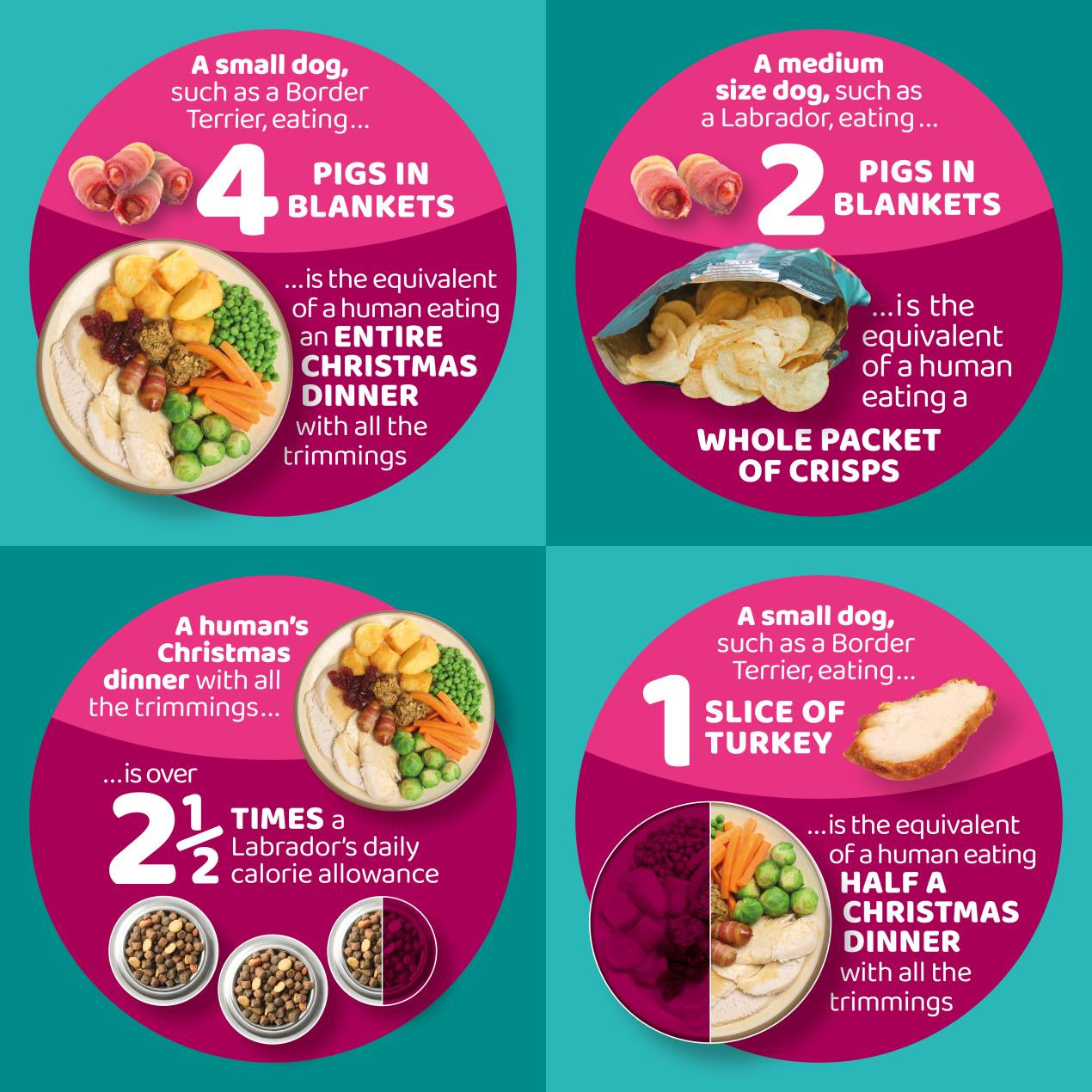
It’s also important to bear in mind potion sizes – a small dog breed, such as a Border Terrier, eating 4 pigs in blankets is the equivalent of a human eating an entire Christmas dinner with all the trimmings! So, sticking to healthy treats will prevent our pets from piling on the pounds.

  1. A jolly Christmas

The hustle and bustle of Christmas can become particularly overwhelming for furry family members, so it’s important to offer a safe space for them to escape the festivities. This could be a den you have built or even their regular bed in a quieter room. For smaller pets, moving their enclosure to a quiet space will give them some peace during busier periods.

It’s also easy to forget what day it is over the festive period, but remember that four-legged family members benefit from the consistency of a routine – whether that’s sticking to the usual time they go for a walk, or when you feed them.

For more information on how to safely enjoy the festive season with pets, you can visit: www.pdsa.org.uk/xmas-guide

Savvy shoppers urged to bag festive bargains at PDSA charity shops

PDSA, the vet charity for pets in need, is urging savvy shoppers to combat the cost of living crisis this Christmas by picking up pre-loved presents and brand new gifts from its charity shops across the UK.

With inflation at a 40-year high, families who are feeling the squeeze can make vital savings this season by popping into one of PDSA’s 105 shops and choosing from a treasure trove of bargains.

By shopping in the stores, kind-hearted customers will not only be reducing their own costs, they will also be helping to fund the vital work of the charity’s 48 Pet Hospitals.

PDSA is the UK’s largest veterinary charity. It receives no government funding to provide its vital veterinary services, which are a lifeline to owners who would otherwise struggle to afford treatment if their pet unexpectedly becomes ill or gets injured.

In 2021, PDSA treated more than 370,000 pets and saved the lives of 134,000 animals – ultimately keeping furry family members united with their owners. As day-to-day prices continue to soar and households are hit by increased financial pressures, the charity expects demand for its services to grow.

Its 2022 PDSA Animal Wellbeing (PAW) Report, conducted in March, found that nearly a third of pet owners surveyed are worried about affording veterinary costs – leaving them facing potentially heart-breaking decisions should their pet require treatment.

The results follow shocking statistics from the 2021 PAW Report which revealed a staggering 930,000 pets were at risk of being put to sleep if their owners were hit with unexpected vet bills.

PDSA Head of Retail and Buying, Lloyd Hughes, said: “Our charity shops play a crucial role in funding the work of our Pet Hospitals which, in turn, provide a lifeline to people and their beloved pets when they are most in need.

“The help we offer to owners who would otherwise struggle to afford the cost of veterinary treatment has never been more vital as the cost of living continues to rise and day-to-day expenses soar.

“All of the items we sell, whether they are pre-loved or brand-new, are high-quality and available at bargain prices so shoppers supporting us can be sure they will find an array of Christmas gifts for friends and family, even if they are on a tight budget.

“From books to clothes, household items to toys, we have a great selection which won’t break the bank. By shopping at PDSA, customers will also be making a positive difference to the lives of pet owners who are facing unprecedented financial challenges so it really is a win, win situation.”

Those who do not have a charity shop locally can still bag a bargain and support PDSA by visiting the ebay store.

PDSA believes no one should be faced with losing a beloved pet because they can no longer afford to pay for treatment. For many vulnerable pets, PDSA is there to help when there is nowhere else for their owners to turn.

PDSA encourages all supporters to sign up for Gift Aid* if they are a UK tax payer, to help their donations go even further. Gift Aid allows PDSA to claim an additional 25 per cent of the value of each item sold.

To find out more visit PDSA’s charity shops page.

Paws for thought: Give a gift with meaning this Christmas

Charity launches cards that will help pets in need

Christmas is just around the corner and as living costs soar, a 24% increase in searches for ‘thoughtful Christmas gifts’ suggests that people are moving away from expensive material presents this festive season.

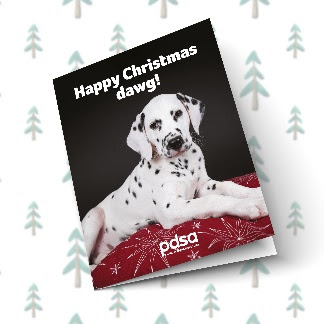
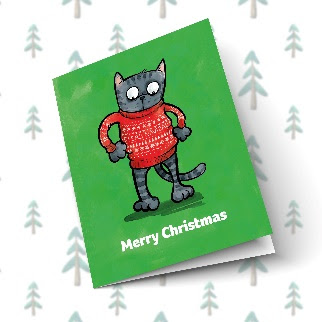
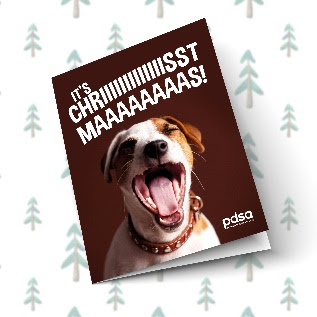
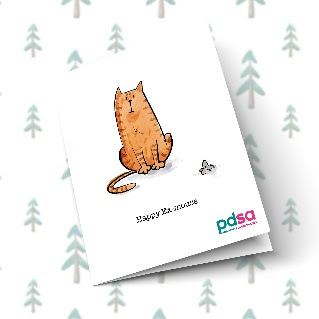
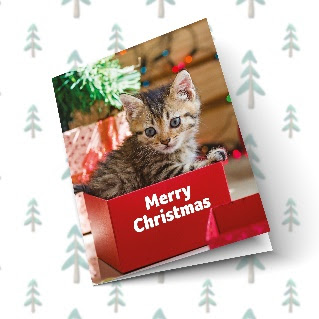
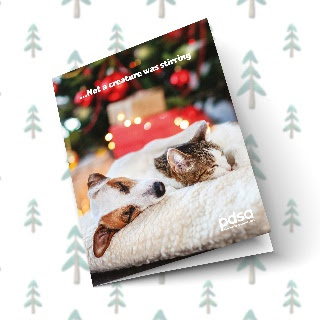
PDSA, the UK’s largest veterinary charity, has revealed its customisable charity donation Christmas cards, providing the perfect choice for those looking to give a present with meaning this year. By gifting a card from the adorable animal-themed range, you’ll be helping PDSA to deliver treatments to hundreds of thousands of poorly pets nationwide, keeping families together this winter.

Not only are there several card designs to choose from, you can also decide how much you wish to donate, with gifts starting from £10.

It’s Christmas’, available from pdsapetstore.org.uk

A dog in a boxDescription automatically generated with low confidence

Fleas Navidad’, available from pdsapetstore.org.uk

A picture containing text, businesscard, envelopeDescription automatically generated

Happy Christmas Dawg’, available from pdsapetstore.org.uk

A book with a dog on itDescription automatically generated with low confidence

Happy X-Mouse’, available from pdsapetstore.org.uk

A picture containing text, businesscardDescription automatically generated

Merry Christmas’, available from pdsapetstore.org.uk

Text, letterDescription automatically generated

Not a creature was stirring’, available from pdsapetstore.org.uk

A picture containing textDescription automatically generated

PDSA relies on donations to deliver life-saving treatment to tens of thousands of pets across its 48 Pet Hospitals in the UK.

To keep families together this winter, the charity is urgently calling on the public’s support to prevent vulnerable people having to make truly heart-breaking decisions.

To find out more about PDSA’s vital work during the cost of living crisis, or to donate, visit www.pdsa.org.uk/costoflovingcrisis

PDSA: Road Safety 101

Keeping dogs safe while out and about

Heading out for a walk is great, not only for our own mental and physical health, but for our dogs’ wellbeing, too.

But with the dark evenings drawing in, walking along roads can become increasingly unsafe for us and our furry family members – each year, vet charity PDSA treats thousands of pets who have been involved in road traffic accidents.

As we mark Road Safety Week (14 – 20 November), PDSA Vet Nurse, Nina Downing, has shared some top tips for keeping furry friends safe while out and about:

Keep them on the lead

“The easiest way to keep your pooch safe while out walking, especially near roads, is to use a lead. A short lead, attached to a well-fitted collar or harness, will give you more control and keep your pup close by – this is particularly important as the nights grow darker.

“If you let your pooch off the lead to run around, only do so in a secure, enclosed area where they can’t run onto nearby roads or become disorientated and lost. It’s also vital and a legal requirement that, should the worst happen and you get separated, your pet is wearing a collar and tag and that their microchip details are up to date.”

Stop, look, and listen

“Our four-legged friends aren’t naturally street smart when it comes to avoiding traffic, so it’s important to train them to stop and wait to help prevent them rushing onto an unsafe road. To do this you’ll need three separate commands – ‘sit’, ‘wait’, and ‘go’.

“When approaching a curb, ask your pet to sit and wait while you check the road is clear, rewarding them when they’re calm and sitting. Once the coast is clear, instruct them to cross safely and reward them when they reach the other side. Make sure you do this each time you cross the road to help your pet learn the routine, and understand that it’s more rewarding to wait than to dash across the road.”

Stay visible

“It’s always best to walk your dog during daylight hours but, as the days get shorter, this may become trickier, so making sure you and your pup are both visible on your walks is important. 

Wearing a high visibility jacket is great for this, as is brightly coloured clothing, so that drivers can spot you. You can also use a reflective lead, harness and LED collar for your pooch.

Remember to take a torch to help keep your surroundings illuminated when you venture out, too, and choose roads with pavements where you can”

Master key commands

“It’s a good idea to consider teaching your dog an emergency ‘stop’ command – as an extra safety precaution. Even if they aren’t let off the lead, being able to control them in an emergency is important for their safety.

“It only takes something small to spook your dog and for them to run towards the road, so training them to obey this verbal instruction is another safeguard to keep you both happy and safe while out and about.”

For more information on ensuring your dog gets enough exercise, visit:

https://www.pdsa.org.uk/what-we-do/blog/6-road-safety-tips-for-dog-owners

PDSA: Remember, remember your pets this November

Five top tips to help your pets this fireworks season

Bonfire Night is fast approaching, so PDSA, the vet charity for pets in need, is urging pet owners to take steps to help prevent their furry family members from becoming anxious this fireworks season.

Many of our pets’ senses are far more acute than ours, so loud noises and bright flashes can be overwhelming, making fireworks season a potentially traumatic and anxious time. In fact, the 2022 PDSA Animal Wellbeing (PAW) Report revealed that 41 per cent of dog owners and 30 per cent of cat owners said their pets were afraid of fireworks*.

PDSA Vet Nurse Nina Downing said: “In 2021, in our 48 Pet Hospitals across the country we saw 1,200 animals with firework related issues such as phobias and injuries, highlighting the real impact on our furry friends.

“November can be an especially scary period for our pets because of this, but taking the time to prepare them for our celebrations can make a huge difference. Luckily, there are some simple steps you can take to help four-legged family members feel more comfortable this November. 

  1. Start early

“Talk to your vet if you know your pet becomes distressed by fireworks – they may be able to prescribe medication to help. The earlier you begin desensitising pets to the sounds that come with Bonfire Night, the less likely they are to have a negative association with them. Play firework noises quietly throughout the house and reward your pet with praise and a healthy treat when they remain calm. Gradually increase the noise but stop immediately if they begin to show any signs of distress – try again at a lower volume once they feel at ease. It’s important to go at your pet’s pace – remember some animals may have a lower tolerance to loud noises than others.

  1. Use music and pheromones

“Music can be really helpful to drown out the sound of bangs, but if your pet isn’t used to the tunes, that could be a surprise in itself. Use your own playlist, or try one we’ve created, and play it around the house in the days leading up to Bonfire Night, then when you need the music to mask the noise, your pet should be used to it. Remember that plug-in pheromone diffusers can also help to relax your pet – for the best results these need to be set up as far in advance of Bonfire night as possible.

  1. Keep them safe

“Make sure dogs have been to the toilet and cats are indoors well before dark – you can offer their dinner a bit earlier so they know what time to come home. Remember, cats will need litter trays, so they can stay safely indoors. Frightened pets can go into fight or flight mode and may try to escape when they hear loud bangs, so make sure windows, doors, cat flaps, and doggy doors are secure so that your pet stays safely inside. Check for any small holes or gaps in fence panels that your pet may be able to squeeze through in a panic if the worst happens and they escape from the house, and make sure your microchip details are up to date!

  1. Set up a retreat

“Creating a space where your pet feels safe and secure will give them somewhere to go if they feel anxious. Choose a quiet room where they feel comfortable. Create a ‘den’ they can retreat into that has thick blankets, bedding, and pillows which can help to muffle the sound of loud bangs – cats may prefer these up on high shelves. Their favourite toys may also help take their mind off the noise.

  1. Plan ahead

“Writing the dates and times of any local displays in your calendar or setting a reminder on your phone means you can plan to be home to provide reassurance. Knowing what’s on in advance also allow you to ensure your pet is safely indoors before fireworks begin, and gives you plenty of time to prepare their safe space.”

For more advice on how to prepare for Bonfire Night with your pets, please visit

https://www.pdsa.org.uk/fireworksready

PDSA is the UK’s largest vet charity. We’re on a mission to improve pet wellbeing through prevention, education and treatment.

Support from players of People’s Postcode Lottery helps us reach even more pet owners with vital advice and information. 

www.pdsa.org.uk

Dogs Trust issues Howl-oween Advice 

Halloween can be a scary time of year not just for those participating in trick or treating, but for dogs, who may find unexpected knocks at the door and people dressed in costumes unsettling.

Dogs Trust, the UK’s largest dog welfare charity, is sharing its top tips for dog owners to help their pets have a safe and happy Halloween. 

Susan Tonner, Manager at Dogs Trust West Calder said: “Halloween can be fun for all the human members of the family, but for dogs it can be a frightening time of the year.

“Your dog may be exposed to many unfamiliar sights and sounds, and they could easily become overwhelmed by the number of knocks at the door from people they don’t recognise, combined with being unnerved by the sound of any fireworks.” 

There are lots of simple steps you can take to help keep your dog safe and happy this Halloween with Dogs Trust’s top tips: 

·       Adapt your routine in order to miss the costumes and fireworks  

It’s a good idea to head out before any festivities may begin and take extra tasty treats with you. If you spot any trick or treaters whilst you’re out, head away from them and reward your dog with a treat whilst you turn around to avoid any ghoulish encounters that might scare your dog.  

In the weeks leading up to Halloween, gradually change your dog’s routine by walking them earlier in the day to allow them time to exercise and toilet before dark. With more people out at night than normal, it’s best to keep your dog at home and in sight for safe keeping, whilst ensuring microchip details are kept up to date with the database in case they vanish out of the door during a trick or treat visit. Your dog also needs to wear an ID tag on their collar. 

·       Ensure your dog is comfortable 

Some dogs will benefit from having a safe place to retreat to should they feel worried. This should be a quiet and cosy familiar place in the house that will give them the chance to relax undisturbed.  

Some dogs may cope better by seeking reassurance, so give them attention and comfort if they seek this out and try to stay with them in the room they are most comfortable, so they know they aren’t alone. 

For other dogs who may not appear worried, it’s good to keep them occupied with their favourite items or activities. Experiment before the firework and spooky evenings begin, and slowly introduce them, to find out what your dog will enjoy the most.    

·       Keep human treats and sweets safely out of your dog’s reach 

Many human treats, especially chocolate, are toxic to dogs. It’s safest to keep these treats well out of your dog’s reach, and in case they accidently sneak a human treat, you can teach your dog to leave it before the trick or treaters start knocking.  

·       Be careful when opening doors so your dog doesn’t accidentally escape 

Before Halloween arrives, think about your dog’s access to the door. Popping your dog on a lead before you open the door or ensuring they don’t have access to the door when trick or treaters pop by will help to keep them safe. If you can’t close off access to your door, you can teach your dog to wait at doorways, decreasing the chance of your dog running out the door or jumping up at trick or treaters. 

·       Keep the costumes and dressing up for humans only 

Adding a new and unfamiliar item for your dog to wear can cause them to be uncomfortable. You should also be aware of anything that could cause abrasions or irritations, resulting in your dog overheating, or stopping them from expressing normal behaviour. 

·       Feed your dog their main meals before the trick or treating begins so they can eat at a relaxed time 

You could save a small portion of their food to prepare some food-based enrichment activities for later in the evening, to help keep them calm and relaxed. 

·       Think twice about taking your dog out trick or treating 

Even dogs who aren’t fazed by people dressed up and all the excitement involved with Halloween may not enjoy it for as long as you do. They might prefer to be at home in their safe and comfy space with their favourite enrichment activity and toys. 

Halloween is the start of a disruptive and noisy week for dogs with fireworks also happening in the lead up to Bonfire Night.  

Susan adds: “Dogs have approximately four times more sensitive hearing than humans, so the loud cracks and bangs of fireworks can often be a terrifying experience for them.

“Following the recent news that firework displays that are run by local councils have been cancelled in some parts of the UK, there may be a rise in people hosting private firework displays at home.  

“We urge dog owners to be extra prepared for a rise in neighbourhood displays, and to look at our full guidance on how to help their dogs stay safe and settled during fireworks. Private firework displays may not be limited to one night, so it is very important for all dog owners to seek out advice early, in order to have a comfortable fireworks season with their dog.” 

For guidance on how to help your dog cope during fireworks, visit the Dogs Trust website  

If you are planning to host a firework display at home: 

·       Let your neighbours know well in advance, so they can prepare their dogs.  

·       Limit your display to 30 minutes or less.  

·       Opt for quieter, lower decibel fireworks.   

For some fun, dog friendly ideas for a ‘cosy night in’, try our pumpkin treats

For further information on keeping your dog safe and happy at Halloween, please head to our website: Halloween advice | Dogs Trust