A new three-day music event, Over the Bridge, is set to take place in Edinburgh this summer. The event will see some of Scotland and the UK’s biggest music acts take to the stage including James Arthur, Ella Eyre, Feeder and Razorlight, over one weekend from Friday 29th – 31st July at Raeburn Place sports ground in Stockbridge.
Day and weekend tickets go on sale this Friday 8th April via Ticketmaster. Each day, live music will start at 1pm, ending at 9pm.
On Friday 29th July, Over the Bridge will be headlined by Say You Won’t Let Go singer James Arthur (above), with Ella Eyre, Cassia, RATS, Alex Amor, Stina Marie Claire, and Aaron Smith completing the days line up.
Saturday will see Glasgow rock band Twin Atlantic headline (below), with Feeder, Declan Welsh and the Decadent West, Liz Lawrence, Zuzu, Beren Olivia and Swiss Portrait also on the bill.
Following the recent announcement of a reunion of the original lineup, the final day will see Razorlight (below) take to the stage, made famous for hits including America, Golden Touch, andIn the Morning to see out Over the Bridge after a day of music from Sports Team, Sam Ryder, Daytime TV, Luke La Volpe, Charlotte Jane and False Friends.
Over the Bridge will also support Edinburgh’s favourite food and drink traders for guests to enjoy over the three days. The event will be using a reusable cup scheme to remove single use plastic waste. This will help improve sustainability, as well as reducing litter generally on and off the site.
Taking place at Raeburn Place in Stockbridge, Over the Bridge has been developed by Stockbridge residents Edward Wilson and Preston Mommsen.
Two years ago, the duo brought The Neighbourgood Market to the same location with the popular, vibrant food and drinks market returning last year over a twelve-week period.
The market showcased some of Scotland’s best food and drink offering from the likes of Stockbridge favourite Good Brothers Wine Bar, Innis & Gunn, The Peruvian, Pizza Geeks, Stag Bites, Edinburgh Gin and many more whilst visitors were also able to enjoy live music from local artists.
As residents who live and run businesses in Stockbridge, the pair recognised the potential impact that the event could have on local residents. They went through a thorough public consultation process with locals and the wider community to ensure Over the Bridge is a positive event that everyone can enjoy. This included liaising with the major community groups, letters to residents, door knocking and face to face Q&A sessions in the area.
Over the Bridge co-founder, Edward Wilson, said: “We’re extremely proud to be Edinburgh locals, and two years ago we wanted to bring something special to the city, which is when The Neighbourgood Market was born.
” After two tough years for Edinburgh, including a scaled back version of Fringe Festival, live music and arts have been on hold. This year, we wanted to bring live entertainment back to the city, so we are excited to announce the launch of the three-day music event, Over the Bridge.
“With a line up of amazing local and national acts, and with day and weekend tickets available, we hope it will be one of the highlights of this Summer in Edinburgh.”
Tickets for Over the Bridge go on sale at 10am on Friday 8th April, with day tickets starting at £50.
For more information, or to purchase tickets, visit:
With Easter approaching, craft experts from Crafty.net reveal five fun crafts that families can do at home on a budget this Easter.
You don’t have to be an expert in crafting to create something fun with your kids this Easter, but sometimes it can be overwhelming figuring out where to start when creating something from scratch. To help find inspiration, think about the season and what colours or animals you associate with it; this can be a great way to put you in the right frame of mind.
If the ideas don’t flow easily, you can find that extra boost of inspiration in many different places. Whether you’re searching the internet on sites like Pinterest or YouTube, the ideas for Easter DIYs will begin to flow.
Start by seeing which supplies you have to hand already, or see what you may be able to re-purpose. You don’t have to spend a lot of money on crafts to produce something incredible; here are a few ideas to get you started:
Easter crafts with lolly sticks
This craft is a fun way to entice your kids to recycle after their sweet treats; if you don’t have any lolly sticks in your home, you can find some at your local craft store. Be as creative as you desire, whether that’s creating bunny or chick faces, bunny bookmarks or lolly stick baskets.
Some fun extras alongside your lolly sticks and PVA glue could include some paints of your choice, pipe cleaners and pom-poms; using embellishments is where the creativity flows.
Easter crafts with construction paper
Construction paper is a fun way to create your Easter crafts on a budget. A fun keepsake such as ‘paper handprint bunnies’ involves taking a piece of paper and tracing your kids’ hands, cutting around the outline and folding the pinky finger and thumb to the centre. Next cut to the base of the middle finger giving the shape of bunny ears and paws. From here, you can have fun with what extras you add to embellish your bunnies with pens or goggle-eyes.
Alternatively, create some Easter decorations by tracing an outline of bunnies on pieces of construction paper with different prints and placing a white pom-pom as the bunny tail. You could put these on a piece of yarn you have lying around to create some colourful bunting.
Easter crafts with paper plates
For chick paper plate craft, start by painting a paper plate yellow and add some goggle-eyes for fun, along with a piece of orange paper that can be used for the beak and chicks’ legs. This craft can be easily created for bunnies or other spring animals you have in mind.
As an alternative craft, you can make an Easter Wreath by cutting out the middle section of your paper plate to achieve your wreath shape. Now it’s time to add your creative flair; adding ribbon wrapped around the wreath adds fun texture and colour, or egg-shaped coloured paper is a great way to personalise your easter wreaths. Whether it’s decorative or a fun craft for your kids, there are many options with paper plates, so have fun.
Easter crafts with egg cartons
Using egg cartons is another excellent way to encourage recycling for your little ones. Using the egg cups, you can paint them to add some colour, and use pens to decorate the cups as a face. Why not make this craft extra fun by adding some easter treats inside the cup, such as chocolate mini eggs.
You can create flowers by cutting your egg carton into a quad, adding colour paint of your choice to the container, and yellow to the middle of the carton or add a fluffy pom-pom for the pollen along with a green popsicle stick for the stem of the flower. These can be displayed in many ways, either a spare jar or a floral foam brick – then you have a lovely bouquet of recycled flowers.
Easter crafts plastic eggs
This craft offers a great option to get creative, finding colourful plastic eggs at your local craft shop and pipe cleaners; you can make bunny ears; alternatively, on an orange egg, you could add green pipe cleaners to make a carrot for this Easter season.
Another great craft you can do at home is to open the plastic egg up and glue the larger flat base to the pointed top, creating a fun plant pot where you could incorporate some of your favourite flowers.
Musical instruments are always a win; how about crafting some simple maracas by filling up your plastic eggs with household objects such as rice. Next, take two plastic spoons, hold them against the plastic egg securing with a piece of tape, then you have your musical instrument.
Crafty is a Premium Craft Membership designed to deliver quality SVG Cut Files and Designs for one low monthly price.
National Museum of Scotland Chambers Street, Edinburgh, EH1 1JF Open 10:00–17:00 daily
Audubon’s Birds of America Until 8 May 2022 Exhibition Gallery 1, Level 3 Ticketed, £0-£10
This exhibition examines the artistry and legacy of one of the world’s rarest, most coveted and largest books.
Published as a series between 1827 and 1838, Birds of America by John James Audubon (1785-1851) was a landmark work which achieved international renown due to the epic scale of the project and the book’s spectacular, life-sized ornithological illustrations.
Audubon’s Birds of America showcases 46 unbound prints from National Museums Scotland’s collection, most of which have never been on display before, as well as a rare bound volume of the book, on loan from the Mitchell Library. This exhibition is a unique opportunity to see so much of Audubon’s work in one place.
Supported by players of People’s Postcode Lottery.
The Typewriter Revolution Until 11 Sep 2022 Exhibition Gallery 2, Level 3 Free entry
The typewriter’s social and technological influence is revealed in this exhibition examining its role in society, arts, and popular culture. It traces the effect and evolution of typewriters across more than 100 years, from weighty early machines to modern style icons.
The impact of the typewriter has been much wider than simply speeding up the way we write. It helped revolutionise the world of work and change the lives of working women in particular. Typewriters helped them launch their own businesses at a time when female employers were rare and became a vital weapon in the fight for the vote.
Until 8 Jan 2023 Exhibition Gallery 4, Level 1 Free entry
Following the 250th anniversary of Sir Walter Scott’s birth, experience his novels through objects that inspired him.
In this small exhibition discover how Scott drew upon real historical objects for inspiration, placing objects alongside Scott’s words, and the stories in which they feature. While you view these fascinating objects, you can listen to an actor reading extracts from these tales.
In association with Walter Scott 250: Celebrating 250 Years of Scotland’s Greatest Storyteller and supporting Year of Stories 2022.
31 Mar – 3 Aug 2022 Kingdom of the Scots gallery (Level 1) Free
Explore the pages of an illustrated prayer book featuring a handwritten poem by a young Mary, Queen of Scots in this display.
Written in Latin on vellum, the Book of Hours contains 40 exquisite illuminations by a 16th century Master artist. Used for private worship, it belonged to Mary’s great aunt Louise de Bourbon, Abbess of Fontevraud, who is believed to have gifted this precious volume to the young queen.
The book will be exhibited in the Kingdom of the Scots gallery, in a display alongside other objects associated with Mary, Queen of Scots. Six different pages within the book will be revealed, with a new page displayed every three weeks. A QR code will allow you to scroll through the vividly illustrated pages in detail.
The Book of Hours is on loan to National Museums Scotland from The Pininski Foundation, Liechtenstein.
Anatomy: A Matter of Death and Life 1 Jul – 13 Nov 2022 Exhibition Gallery 1, Level 3 Ticketed
Explore the history of anatomical study, from artistic explorations by Leonardo da Vinci to the Burke and Hare murders.
This exhibition will look at the social and medical history surrounding the practice of dissection. It will trace the relationship between anatomy, its teaching and cultural context and the bodies that were dissected. Looking at Edinburgh’s role as an international centre for medical study, the exhibition will offer insight into the links between science and crime in the early 19th century.
National Museum of Scotland Chambers Street, Edinburgh, EH1 1JF Open 10:00–17:00 daily
Edinburgh Science Festival 2022
9 Apr – 24 Apr 2022 10:00 – 17:00
The Edinburgh Science Festival brings two weeks of science-fuelled exploration to the National Museum of Scotland, from free interactive exhibits to family workshops and adult talks.
The Grand Gallery will be home to DataSphere, a multi-media exploration of the information driving our world. Elsewhere in the museum get-hands on with amazing drop-in experiments from the University of Edinburgh, and children’s workshops exploring everything from Creative Coding to Disease.
Adults can enjoy a series of fascinating talks and debates on topics from climatology and the philosophy of science to death, folklore and the cities of the future. Speakers include A.C. Grayling, Jim Al-Khalili, Alice Bell and Mary Roach.
The DataSphere will also be transformed after dark with bars, a DJ and exclusive activities just for grown-ups. Take the chance to have as much fun as the kids as you send, swipe and scroll through the data that drives our world.
*NEW* Centre for Open Learning: Victorian Scotland
21 Apr – 23 Jun 2022 11:00-13:00 Seminar Room, Learning Centre Level 4 £175 for 10 sessions (concessions available)
National Museums Scotland are delighted to host a new term of University of Edinburgh Short Courses – a great way to explore the national collections and their wider history with experts.
This 10-week course uses selected items from the museum’s collections as the basis for studying Victorian Scotland. Using a different historical object each week, students will consider the political, economic, industrial, imperial, cultural and social history of Scotland in this period of enormous change and creativity.
The course will be led by Helen Rapport PGCE, M.A., PhD.
21 Apr – 23 Jun 2022 14:00-16:00 Seminar Room, Learning Centre Level 4 £175 for 10 sessions (concessions available)
National Museums Scotland are delighted to host a new term of University of Edinburgh Short Courses – a great way to explore the national collections and their wider history with experts.
This 10-week course explores Scotland’s great changes and developments from 1714–1815. Making extensive use of National Museums Scotland’s collections, the course covers the Enlightenment and the growth of universities, trade, transportation and industry, as well as the impact of Jacobite rebellions and events overseas, from France and Spain to the American colonies.
The course will be led by Helen Rapport PGCE, M.A., PhD.
*NEW* Centre for Open Learning: Discovering the National Collections: Jewellery from Antiquity to Present Day
22 Apr – 20 May 2022 11:00-13:00 Seminar Room, Learning Centre Level 4 £75 for 5 sessions (concessions available)
National Museums Scotland are delighted to host a new term of University of Edinburgh Short Courses – a great way to explore the national collections and their wider history with experts.
This course will use the museum collections to introduce the extraordinarily diverse world of jewellery. From antiquity to the present day, we will explore our fascination with adornment to discover how trade, culture and craftsmanship pushed the boundaries of jewellery making around the world.
This course is led by Karen A Clulow BA MA FSA Scot, and will be taught within a range of galleries in the National Museum of Scotland.
*NEW* Festival Family Encounters Day 7 May 2022 10:00-16:30 Grand Gallery
Free, drop-in. Some events may have timed slots and require sign-up on the day.
The Edinburgh International Children’s Festival opens on Saturday 7 May with Family Encounters at the National Museum of Scotland. Come along to get curious, creative and enjoy specially commissioned performances from Scottish based artists.
All events at Family Encounters on 7 May are free. Some may have timed slots and require sign-up on the day.
*NEW* Woolly Weekend 28 May – 29 May 2022 11:00-16:00 Free with museum admission and Annual Pass
Visit the National Museum of Rural life to celebrate our woolly wonders. See our shearer at work with the Scottish Blackface sheep and enjoy wool-themed family crafts and activities.
Find out how people grew and cooked their own food during the Second World War with cooking demonstrations, talks, tours and hands-on family activities.
Discover the challenges of wartime cooking with food historian Nichola Fletcher and find out about the fruit and vegetables that were grown on the airfield. Families can also join drop-in workshops to create a wildflower seed bomb or make a paper pot to take home.
This family event is supported by players of People’s Postcode Lottery
31 Mar 2022 19:30-20:30 Online Free, with optional donation
Join David Lindo and Duncan Orr-Ewing to celebrate the joy that birds bring us, the urgent threats they face, and the science and conservation work protecting them.
David Lindo, also known as The Urban Birder, is a wildlife broadcaster, nature writer and urban wildlife educationalist. He is Vice-President of the Wildfowl & Wetlands Trust, Honorary President of the Colombia Bird Fair, and was voted 7th most influential person in Wildlife by BBC Wildlife Magazine.
Duncan Orr-Ewing is Head of Species and Land Management for RSPB Scotland.
The first ever North Edinburgh Community Festival will be a free, family friendly community-led day full of fun and entertainment with the opportunity to find out about learning new skills in a relaxed and interactive way.
The day will feature performances from local groups and there will be stalls and activities for all ages. There will also be local organisations, the emergency services, Edinburgh College, community groups and employers giving young people and their families an insight into the work they do and the opportunities they have to offer.
The programme was launched this afternoon at an event in West Pilton Neighbourhood Centre.
Depute leader Cammy Day said: “This is going to be a great day for the North Edinburgh community to come together and learn more about what local groups and organisations can offer people of all ages in the area. They’ll be loads happening to make the festival fun as well as having educational elements with local employment opportunities being showcased.
“If you live in or around the area, I’d encourage you to come along to enjoy the local bands and find out more about local groups and organisations offering a whole range of activities from Arts for Grown-ups to nature play activities and storytelling.
“The day is being organised by the community and a dedicated group of local organisations and groups and I’d like to thank everyone involved.
“It’s also part of our £1.3bn project to regenerate Granton Waterfront and transform currently unused land to become a new sustainable neighbourhood.
“This will be a key part of our network of 20 minute neighbourhoods across the city, with affordable environmentally friendly homes, excellent transport and active travel links and access to lots of open and green space, arts, sports and culture.”
Willie Black North Edinburgh Community Festival Planning Committee Chair said: “I’m proud to be part of the planning committee for the Festival, creating a celebration of North Edinburgh and its place in our Capital city.
“The Festival is open to all ages. It’s going to be massive a boost to the area bringing our community together and is particularly welcome as we all start to recover from the Covid pandemic.”
Michael Jeffrey, Edinburgh College Vice Principal, said: “We are delighted to be a part of the North Edinburgh Community Festival and look forward to working with all the partners to showcase the fantastic talent, opportunities, and facilities on offer in the local community.
“We encourage everyone to come along and enjoy the day with us.”
Jed Milroy Assistant Director Tinderbox Orchestra said: “Tinderbox Orchestra is thrilled to add North Edinburgh Community Festival to kick off our Summer touring schedule.
“There is so much creativity in this brilliant community and it will be a real joy to see everyone coming out to celebrate it all together.
“We’re especially excited about young people from Tinderbox Music Club and Granton Youth performing on stage, many for the first time ever! It’s never been more important to come together as a community and look at all the positive things that are going on. Get it in your diary!”
Highlights of the programme include:
A music line-up featuring local acts and performers including local youth orchestra Tinderbox Orchestra, young musicians from the Granton Youth Mixtape Music Club, a fun and energetic concert for all the family from Fischy Music, a family rave from Big Fish Little Fish, a musical medley from the Forth Children’s Theatre, performances from local schools including Broughton High School, St David’s R. C. Primary and Pirniehall Primary School and performances from local punk rock band Yer Local Bams, DJ Dynamite and Newhaven Community Choir.
Family events and activities will include Bookbug with Muirhouse Library, nature play activities led by The Green Team, storytelling and book making with the Super Power Agency and arts and activities curated by North Edinburgh Arts.
Workshops for all ages including an Arts for Grown Ups drawing class led by artist Alice Betts and drumming and rhythm workshop with Moving Music. As well as a parade led by Low Income Families Together.
Stalls featuring around 30 locally based groups and third sector organisations.
Learning and upskilling opportunities from local employers and employability support organisations, including course taster sessions from Edinburgh College Granton Campus, employability advice and support from Robertson Partnership Homes, CCG Construction and Crudens, as well as advice and support from Capital City Partnerships and Smart Works Edinburgh.
Food demos and “pay what you can” food available from Edinburgh College, local charity Empty Kitchens, Full Hearts and social enterprise Scran Academy.
Festival Programme: Tinderbox Orchestra, Fischy Music, Big Fish Little Fish, Yer Local Bams, Granton Youth Mixtape Music Club, DJ Dynamite, Broughton Music School Jazz Quartet, Rai Williams, Newhaven Community Choir, St David’s R C Primary and Pirniehall Primary School Music Club, Forth Children’s Theatre, Ama-zing Harmonies, Pulse of Place Samba Band, Bookbug, arts and crafts, The Green Team, Super Power Agency, Moving Music, Play Rangers, Arts and Dance classes, Art Bugs in Muirhouse, Spartans Community Football Academy, Low Income Families Together Parade.
Community Stalls: West Granton Community Trust, Muirhouse Library, Project Esperanza, Lothian Breastfeeding Buddies, Pennywell Pantry, Community Renewal, Venture Scotland, Vocal, Fresh Start, Edinburgh and Lothians Greenspace Trust, Granton Goes Greener, NHS Lothian, Pilton Equalities Project, Learning Disability team and NHS Lothian, Drylaw Neighbourhood Centre, the City of Edinburgh Council’s Active Travel Team, Police Scotland, U-Evolve, Wasps, Girlguiding Edinburgh, Pilton Youth and Children’s Project, ESES Communities, Muirhouse Housing Association, Grassroots Remedies and much more.
Jobs and Skills: Edinburgh College, Capital City Partnerships, Smart Works Edinburgh, Robertson Partnership Homes, CCG Construction, Edinburgh Health and Social Care Partnership, Royal Navy.
About North Edinburgh Community Festival Planning Committee: The event is being run in partnership with a consortium of organisations who meet fortnightly, including: The City of Edinburgh Council, West Pilton Neighbourhood Centre, North Edinburgh Arts, Edinburgh College, Police Scotland, Low Income Families Together (LIFT), Granton Youth, Tinderbox Orchestra and Drylaw Neighbourhood Centre.
Funders and Sponsors: The City of Edinburgh Council, Police Scotland, Edinburgh College Development Trust, Muirhouse Resident Association and Immediate Waste.
Scotland’s largest independent funeral directors, William Purves, is fielding calls from several worried customers concerned about the implications of forthcoming funeral plan reforms.
From July 29th, organisations selling funeral plans will fall under the regulation of the Financial Conduct Authority (FCA) which will ensure that all plans are properly underwritten.
And while good news for customers in the long term, it is feared that many buyers will be out of pocket in the short term as some smaller funeral plan providers fold as they are unable to satisfy the FCA requirements.
Andrew Purves, Director of William Purves explains: “Customers who have purchased pre-payment plans designed to cover the cost of their funerals are naturally concerned about the implications of the reform.
“Thankfully we can put our customers’ minds at rest as in recent years our plans have been one of the big three providers. However, the stark reality is that some customers’ pre-bought funerals, particularly those bought from smaller providers, may not be honoured.“
A number of funeral plan providers have already decided to stop operating and have approached larger providers to take over their plans – sadly some are expected to fold as the July deadline looms.
Andrew continued: “My advice is if you have concerns or worries speak to the Funeral Director who you purchased the plan from, or the plan provider themselves, and ask what guarantees they can provide.
“We are in the process of contacting all William Purves pre-payment customers to update them on the situation.
“We welcome the regulation of pre-paid plans which are designed to protect customers and raise standards for plans sold in the future; however, this is of little comfort to those people who have taken steps to put their affairs in order and who may well be penalised.
“We will continue to keep our customers informed.”
How 13.2 million recycled plastic bottles become a game-changing furniture range: introducing Nassau from LifestyleGarden
Last week LifestyleGarden®, in partnership with Plastic Bank and the Eden Project, launched one of the most exciting furniture ranges to ever hit the UK market.
The new Nassau collection – powered by Social Plastic® is set to revolutionise the impact furniture can have upon the planet as well as people and communities.
Not only will every Nassau chair be made from the equivalent of 175 recycled plastic bottles, but the range is already committed to utilising the equivalent of 13.2million bottles (or 264,000kgs) in its first year. That’s a lot of plastic!
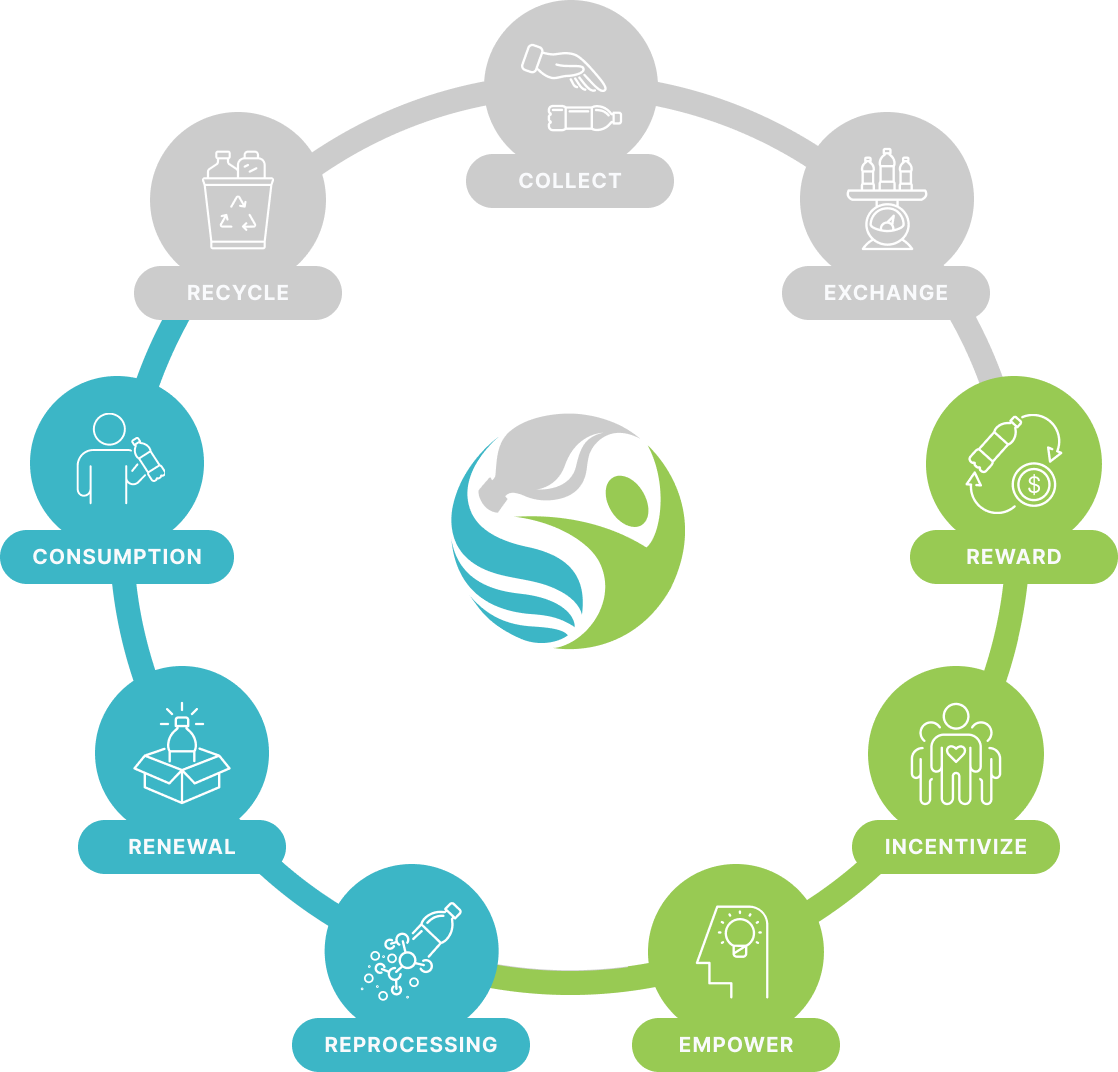
The impact of the Nassau collection goes further than vital environmental protection, however. In a true industry first, this collection will also close the loop by positively impacting the social and economic communities within the Plastic Bank supply chain through the use of Social Plastic®.
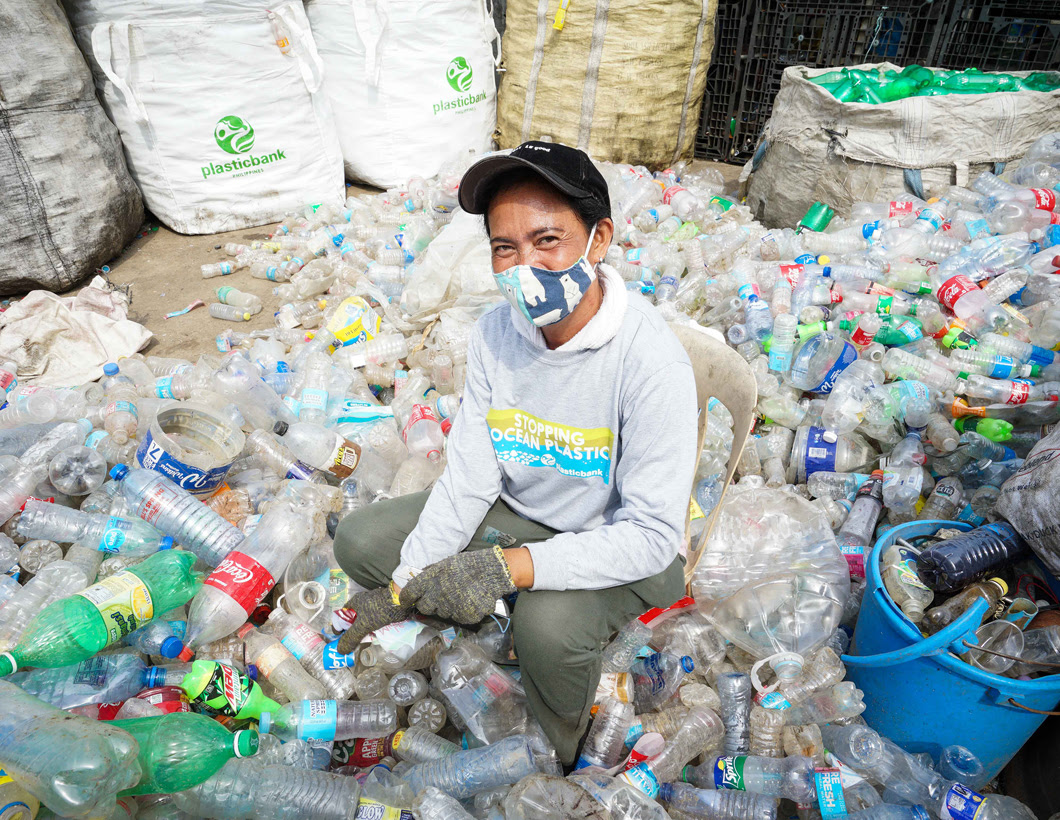
Simply put, Social Plastic® is ethically recovered plastic which helps fight ocean pollution, whilst simultaneously empowering those who collect it.
Collectors in Plastic Bank’s ethical recycling ecosystems in coastal communities receive bonuses for the materials they collect, which helps them provide basic family necessities such as groceries, school tuition, internet access, health insurance, cooking fuel and more.
But these collectors aren’t invisible entities operating in the background. Working with Plastic Bank, LifestyleGarden® is able to access a dashboard, enabling us to see exactly which collector has collected materials which will be funnelled into the Nassau range.
We can then follow these collectors to see how their lives change as the bonuses they receive continue to help them out of poverty.
Over the coming months we be following these collector stories and hope to share them with you.
For now, we hope the Nassau – powered by Social Plastic® range will be of interest.
The range is available to buy from a wide range of UK garden centres, the Eden Project’s online store and via Robert Dyas on the high street.
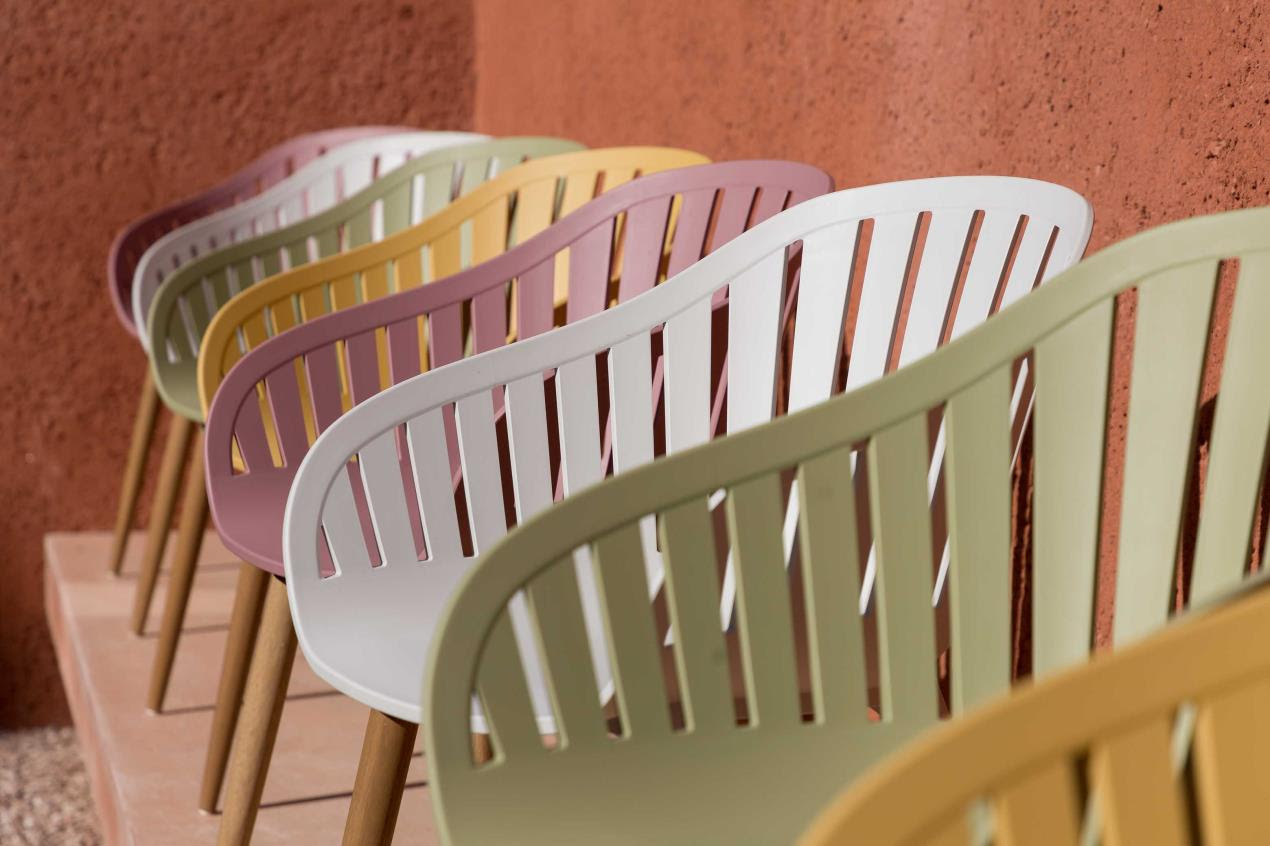
The RRP for a two-seater bistro set is £299, whilst a four-seater dining set is £499. A set of two chairs is priced at RRP £179. Available in peony pink, sage green and honey yellow, and white.
If you want to find out more about LifestyleGarden® and its premium-quality outdoor furniture, please visit us at www.lifestylegarden.com and follow the team on Facebook and Instagram.
This April will see TV star Trent Maxwell, more commonly known as ‘Lifeguard Maxi’ swap Australia’s world famous Bondi Beach for the waters of the UK and Ireland on a tour to spread the message about water safety.
To kickstart the tour, Maxi will be joined by former Olympian, Sports Scientist, Physical Activity Expert and trainer to the stars, Professor Greg Whyte OBE for an open water sunrise swim at Caversham Lakes in Reading on April 8th.
For the rest of his trip Maxi will be working with national charity and leader in lifesaving and lifeguarding training across the UK and Ireland, the Royal Life Saving Society UK (RLSS UK) to volunteer his time to deliver the important water safety messages to children across the UK and Ireland.
On his open water sunrise swim, Maxi said: “An open water swim with the legend Greg Whyte will be a brilliant, but chilly start to my tour! I can’t wait to then set off and meet with children across the UK to spread the word about water safety.
“Delivering these key messages might mean that lives can be saved this summer and beyond.”
Greg added: “’As a result of lockdown 2 million children missed the opportunity to swim leading to 1 million children leaving primary school unable to swim.
“Maxi’s campaign, in collaboration with RLSS UK, to deliver his water safety message has never been more important. I can’t wait to swim at sunrise with Maxi, it will be a few degrees colder that Bondi!”
Open water swimming has seen a rise in popularity over recent years with its benefits well documented.
Charity Director at RLSS UK, Lee Heard said: “There are numerous fantastic benefits to participating in open water swimming such as boosting your immune system; activating endorphins for a natural high; improving your circulation; reducing stress; as well as being a great form of exercise.
“To ensure that open water swimming can be enjoyed safely, we at the Royal Life Saving Society UK, have worked with Professor Greg Whyte to devise a cold water exposure 2 week home plan – Sponge to Plunge. The plan is a safe way to reduce the impact of cold water immersion so please take a look if you are looking to take the plunge!”
Ahead of his tour, where Maxi will visit RLSS UK Lifesaving Clubs to meet as many children and Rookie Lifeguards as possible, he added: “I want to meet as many kids as I can throughout April so together with RLSS UK we can prevent drowning this summer.
“Lifesaving clubs are at the heart of a community, they support young people and their families, so we all enjoy water safely, and return home at the end of day. They have been hit hard in the pandemic so we want to deliver some smiles, fun and most importantly valuable water safety lessons around the UK and Ireland ahead of summer.”
Maxi will be visiting numerous clubs throughout the UK and Ireland as he travels from Cornwall to Devon to South Wales to Nottingham. He then travels across the water to Ireland before returning to visit Scotland and the North East before he heads home for Sydney on 2nd May.
Maxi and RLSS UK invite children from all communities to attend an event near them to learn more about water safety and discover a RLSS UK Lifesaving Club in their area.
Lee Heard added: “Delivering water safety education is vitally important and working with Maxi to speak to even more young people is something we are excited about.
“In July 2021 we had 49 accidental drownings in just two weeks in UK waters, so delivering water safety messages such as this will help to ensure that everyone has the opportunity to enjoy water safely in the future.”
To help deliver the message Lifeguard Maxi and RLSS UK are calling for donations to help fund the not-for-profit tour to deliver the message to as many children in the UK and Ireland as possible.
Maxi added: “We would love for you to give what you can and feel part of something special that is happening to prevent drowning this summer.”
All donors will be entered into a draw to win either: a chance to meet Maxi in person at an event in England, Scotland or Ireland; a signed book pack of Maxi’s four books with a Lifeguard Maxi pencil case and signed photograph; or a Maxis Rescue Squad T-shirt and one year’s membership to Maxi’s Rescue Squad online education program with pencil case and signed photographs.
In his Spring Statement, the Chancellor promised to support families through the cost of living crisis today, and to cut their taxes in the future. But his failure to deliver on both of these means that absolute poverty is expected to rise by 1.3 million people next year, while only one-in-eight workers will see actually see their tax bills fall by the end of the parliament, according to the Resolution Foundation’s overnight analysis of Spring Statement 2022 today.
Inflation Nation shows that faced with an unprecedented squeeze on family’s household finances and a significant boost to the public finances, the Chancellor opted for a big but poorly targeted policy package focused on partially offsetting some of the big tax rises he’d previously announced, rather than on supporting those families hit hardest by the cost of living crisis.
Key findings from the overnight analysis include:
Families face £1,100 income losses. The scale of the cost of living squeeze is such that typical working-age household incomes are to set to fall by 4 per cent in real-terms next year (2022-23), a loss of £1,100, while the largest falls will be among the poorest quarter of households where incomes are set to fall by 6 per cent.
Absolute poverty rises by 1.3 million. The scale and distribution of the cost of living squeeze, coupled with the lack of support for low-income families, means that a further 1.3 million people are set to fall into absolute poverty next year, including 500,000 children – the first time Britain has seen such a rise outside of recessions.
Tax rises for seven-in-eight workers. Considering all income tax changes to thresholds and rates announced by Rishi Sunak, only those earning between £49,100 and £50,300 will actually pay less income tax in 2024-25, and only those earning between £11,000 and £13,500 will pay less tax and National Insurance (NI). Of the 31 million people in work, around 27 million (seven-in-eight workers) will pay more in income tax and NI in 2024-25.
A £11,500 wage loss. With real wages in the midst of a third major fall in a little over a decade, average weekly earnings are on course to rise by just £18 a week between 2008 and 2027, compared to £240 a week had they continued on their pre-financial crisis path. This lost growth is equivalent to a £11,500 annual wage loss for the average worker.
A parliament of pain. Typical household incomes are forecast to fall by 2 per cent across the parliament as a whole (2019-20 to 2024-25), making this parliament the worst on record for living standards, beating the 1 per cent income fall over the course of the 2005-05 to 2010-11 parliament.
Rapid fiscal consolidation. The decision to bank much of the borrowing windfall set out by the OBR sees borrowing set to fall rapidly from 14.8 per cent of GDP in 2020-21 to 1.3 per cent of GDP in 2024-25 – lower than it was expected to reach pre-pandemic. This increases the Chancellor’s fiscal headroom at the end of the parliament from £18 billion to £28 billion, the equivalent of a further 4 to 5p cut in the basic rate of income tax.
Torsten Bell, Chief Executive of the Resolution Foundation, said:“In the face of a cost of living crisis that looks set to make this Parliament the worst on record for household incomes, the Chancellor came to the dispatch box yesterday promising support with the cost of living today, and tax cuts tomorrow. Significant measures were announced on both counts, but the policies do not measure up to the rhetoric.
“The decision not to target support at those hardest hit by rising prices will leave low-and-middle income households painfully exposed, with 1.3 million people, including half a million children, set to fall below the poverty line this coming year.
“And despite the eye-catching 1p cut to income tax, the reality is that the Chancellor’s tax changes mean that seven-in-eight workers will see their tax bills rise. Those tax rises mean the Chancellor is able to point to a swift fiscal consolidation and significant headroom against his fiscal rules.
“The big picture is that Rishi Sunak has prioritised rebuilding his tax-cutting credentials over supporting the low-to-middle income households who will be hardest hit from the surging cost of living, while also leaving himself fiscal flexibility in the years ahead. Whether that will be sustainable in the face of huge income falls to come remains to be seen.”
Message from First Minister to Ukrainians arriving in Scotland
A message of welcome from First Minister Nicola Sturgeon – available in Ukrainian and Russian, the two most widely spoken languages in Ukraine – is to be given to displaced Ukrainians arriving in Scotland.
The Scottish Government is working with a range of partners to offer practical help and assistance to Ukrainians, including with food, clothing, healthcare, language support and signposting to other services.
The full text in English and Ukrainian is below:
A welcome to Ukrainians arriving in Scotland, from First Minister Nicola Sturgeon.
On behalf of the Scottish Government – and the people of Scotland – I warmly welcome you, and your family and friends, to Scotland.
I want you to know that you are now safe.
Please know that you will be treated with care, dignity and respect, for however long you stay.
We have been shocked by what has happened to the people of Ukraine. We want to help, and to provide you with the support and the services that you need.
As we open our doors to you, we also open our hearts. We offer not just a refuge, but a warm Scottish welcome and a nation of helping hands to you and your loved ones.
Welcome to Scotland, our home – and, for as long as you need, yours too.
Вітання від першого міністра Ніколи Стерджен для українців, які прибувають до Шотландії.
Від імені уряду Шотландії – та народу Шотландії – я щиро вітаю вас, вашу сім’ю та друзів у Шотландії. Я хочу запевнити вас, що тепер ви у безпеці.
Будь ласка, знайте, що до вас будуть ставитися з турботою, гідністю та повагою, незалежно від терміну вашого перебування.
Ми шоковані тим, що сталося з народом України. Ми хочемо допомогти і надати вам підтримку та послуги, які вам потрібні.
Відчиняючи для вас двері, ми також відкриваємо наші серця. Ми пропонуємо вам і вашим близьким не просто притулок, а теплий прийом і допомогу від усіх наших громадян.
Ласкаво просимо до Шотландії – нашого дому, і вашого також, на той термін, який вам потрібен.
Scotland’s offer to provide refuge and sanctuary to displaced Ukrainians, as part of the UK Government’s Homes for Ukraine scheme, is now open.
Accessible through the UK Government’s online portal, a distinct route to accommodation, support and care in Scotland – the Warm Scots Welcome – is now available to people displaced by the invasion of Ukraine.
Acting as a ‘super sponsor’, the Scottish Government’s route removes the need for applicants to be matched to a named individual before they are cleared to travel to the UK through the visa system.
The Scottish programme is available as an option to Ukrainians when applying for a visa under the Ukraine Sponsorship Scheme, by opting for the organisational sponsor route, and selecting “The Scottish Government” from the drop-down box in response to the question “Which organisation is sponsoring you?”
Scottish people willing to volunteer and provide homes for Ukrainians arriving through the sponsorship scheme are encouraged to sign up at the Homes for Ukraine portal.
Their details will be shared with Scottish Government so that appropriate matches can be arranged while immediate support is provided to those arriving.
First Minister Nicola Sturgeon said: “Our distinct offer for a warm Scottish welcome to the displaced people of Ukraine is now open, as part of the UK’s Homes for Ukraine.
“We intend to fully harness the thousands of individual offers from people in Scotland willing to provide Ukrainians with a home. And I encourage those who want to help to express an interest on the Homes for Ukraine portal.
“We still believe visas should have been waived for those fleeing the appalling and illegal invasion of Ukraine by Russia, but we established this Scottish scheme, embedded within the UK system, to provide help right now to those who need it.
“Our programme will allow significant numbers of people fleeing Ukraine to come to Scotland immediately, and will be able to come to Scotland for safety and sanctuary first.
“To those Ukrainians arriving in our country, I can say we will treat you with compassion, dignity and respect, and I extend a warm welcome to Scotland, our home – and, for as long as you need it, yours too.”
It is also possible for Ukrainian displaced people to come to Scotland by the other two routes: the family visa route and the individual sponsor route.
The Scottish Government is working with partners – local councils, the Scottish Refugee Council, the NHS, Disclosure Scotland, NGOs, faith groups and others – to complete safeguarding checks, put in place wider health, education, practical and befriending support, and arrange longer term accommodation.
The process for Ukrainian applicants to apply is this: