Six ways to help look after wildlife this autumn

Gardeners are being urged to hang out fat balls and avoid turning their compost heaps in order to help wildlife this autumn.

Gardening experts from GardeningExpress.co.uk have shared six tips to help look after autumn wildlife.

From the humble hedgehog to toads and frogs, wildlife found in gardens across the country are starting to adapt and prepare for the winter ahead.

Ensuring the animals have access to food, water and shelter will mean they have a much better chance of surviving the winter.

A spokesperson for GardeningExpress.co.uk said: “When it turns to autumn many of us start to change our house in order to make it cosy for winter.

“Our wildlife is just the same, but unfortunately for them winter can be some of the most dangerous months.

“By changing a few things in our gardens, we can help make life easier for the wildlife as well as giving them somewhere to feel safe.”

These are GardeningExpress.co.uk’s tips to look after autumn wildlife:

1. Food

Placing food out for animals to eat without needing to hunt or scavenge is a simple but effective way to look after local wildlife. Place fat balls or blocks out for birds along with grain and nuts to keep them going through the winter months.

2. Bonfires

Although big community bonfires won’t be happening this year, if you’re planning one at home it’s important to check for all animals and wildlife before setting it alight. These can include hedgehogs, toads and frogs. Prod underneath the bonfire with a stick to encourage the animals to move before you strike a match.

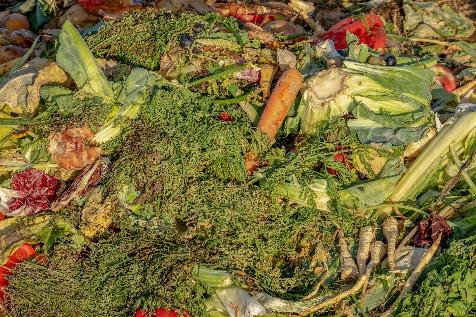
3. Compost Heap

Compost heaps are a great place for hibernating animals to live due to the warmth it can provide. Take caution when turning your heap, or if you’re able to try and avoid turning it at all, or as much as normal, during the cold winter months.

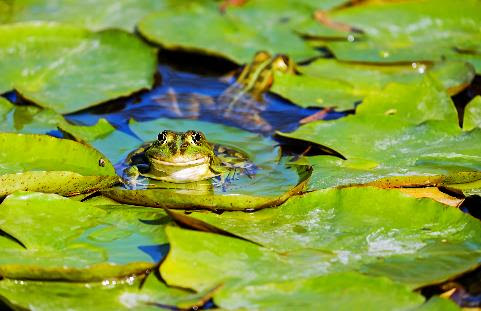
4. Ponds

If you have a pond and see it frozen over, try and melt a hole in the middle so that the animals can still find a source of water. Do this by using a saucepan full of hot water. Don’t hit or crack the ice as this can cause shockwaves causing potential damage to the animals in the pond. If you don’t have a pond, a little dish of water at ground level will be a great source of water.

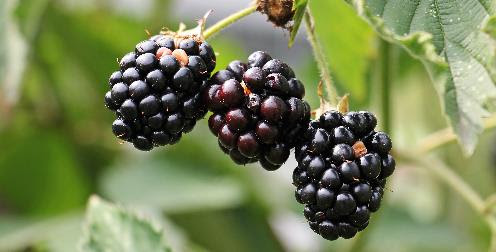
5. Berries

If you have any berry or fruit trees in your garden, ensure you leave some fallen fruit and berries untouched. By doing so, birds such as thrushes and blackbirds can enjoy food before winter hits. Traditional hedgerow berries such as blackberries, sloes and rosehips will provide food for birds during the colder months.

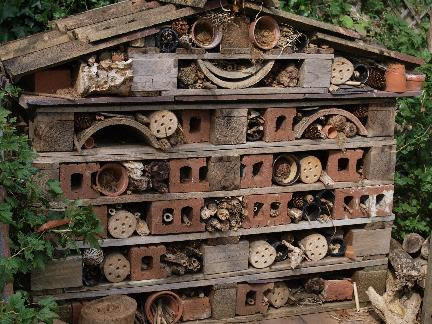
6. Bug hotels

Building a bug hotel with pieces of wood and leftover bricks and other materials will provide a safe place for bugs to call home. It can be as small or as big as you like and can be as simple as a pile of logs.

Big Butterfly Count 2020 launches today

 Has nature helped you through the last few months? It’s time to return the favour says Chris Packham

Chris Packham and wildlife charity Butterfly Conservation are launching this year’s Big Butterfly Count today as a chance for the public to give a gift back to nature this summer.

As so many of us have sought comfort, inspiration and hope through spending time in nature during the difficult last few months of lockdown, participating in the Big Butterfly Count is an easy way for us to do something positive to give back and help conserve nature for future generations.

The fine weather of spring 2020 has seen the earliest average emergences of butterflies for the last 20 years and Butterfly Conservation has received thousands of extra enquiries about butterfly and moth sightings made by an ever more nature-loving public.

This year’s Big Butterfly Count, Butterfly Conservation’s annual citizen science event which saw over 113,000 members of the public take part last year, is ready for its biggest year yet. The UK-wide survey simply asks you to spend 15 minutes in an outdoor space counting the amount and type of butterflies (and some day-flying moths) you see.

There were 11,057 counts submitted in Scotland for the Big Butterfly Count last year with overwhelmingly abundant numbers of Painted Lady butterflies spotted, up 7,541% (141,649 spotted) from the previous year, while Green-veined White and Small Copper butterflies saw declines of 56% and 60% respectively.

Chris Packham says: “While so many of us have had a bit more time to appreciate the nature on our doorsteps during the lockdown period, and learning about the natural world has been a mindful distraction from uncertainty, this is a real chance to do something positive and contribute to conserving nature.

“Butterflies and moths are key indicators of the health of our environment and anyone can help contribute to our understanding of these incredible creatures by taking part in in the Big Butterfly Count.

“The sightings you submit will be used to map and measure populations and the geographic spread of species across the UK. We’re asking everyone who have been given a helping hand from nature this year to return the favour.”

Dr Zoë Randle, Senior Surveys Officer at Butterfly Conservation said: “We’re excited to find out the results from the Big Butterfly Count this year. The very sunny spring weather meant that almost all butterfly species have emerged early this summer, so we’re hoping for some interesting data. As our weather patterns change it’s more important than ever for us to be able capture this information.

“We’ve seen an incredible amount of interest from people who have been out and about in their gardens and local areas spotting butterflies for the first time. From children learning about the lifecycle of a butterfly from a caterpillar found in their own back gardens to adults who have spotted a fluttering Red Admiral while exercising outside instead of at the gym.

“Nature has really shown its true value to us this year, but it is still under threat. Now, more than ever, we must all do our little bit to protect it.”

Steve Guy, Outdoor Category Director, B&Q said: “We’re delighted to be supporting the Big Butterfly Count once again. We’re encouraging all B&Q customers to get counting and to create butterfly friendly outdoor spaces.

“Attracting butterflies is simple if you have plenty of nectar to offer them. Plant as many of their favourite flowers – such as Lavender, Delphinium and Salvia – as you can in a sunny, sheltered spot. And you don’t need a big outdoor space – a window box or hanging basket with the right nectar giving plants can make you popular with butterflies.”

David Forbes Nixon, chairman of the DFN Foundation, said: “We are excited to be the official co-sponsor of the Big Butterfly Count from 2020 to 2023 and look forward to working with Butterfly Conservation to identify trends in species that will help us plan how to protect butterflies from extinction.”

“The recent pandemic has brought into even greater focus the need for us to protect the environment and connect with nature in a positive and meaningful way. We now have a huge opportunity to build on this momentum and engage with people of all ages across the country on the importance of butterfly conservation, helping to improve our whole environment for wildlife and enrich the lives of people now and in the future.”

The Big Butterfly Count is open to everyone, from ages from 3 to 103, and provides a real contribution to science and our understanding of butterfly and moth populations in the UK, a key indicator of the health of our environment, including the effects of climate change. 

Simply visit Bigbutterflycount.org to find out more or download the free Big Butterfly Count app to enter your findings.

Musselburgh kids help safeguard the future of golden eagles

A group of home schooled children from Musselburgh recently took part in the groundbreaking South of Scotland Golden Eagle Project to help safeguard the future of Golden Eagles in the UK.   

Continue reading Musselburgh kids help safeguard the future of golden eagles

International arts competition launched to tell the story of whales on South Georgia

A major international artistic competition centred at Grytviken Whaling Station on the sub-Antarctic island of South Georgia has been launched to reimagine the centrepiece of its cultural heritage and in doing so, highlight powerful conservation messages for the future of our planet. Continue reading International arts competition launched to tell the story of whales on South Georgia

Puffins making poor diet choices when the chips are down

A new study has shown that Britain’s puffins may struggle to adapt to changes in their North Sea feeding grounds and researchers are calling for better use of marine protection areas (MPAs) to help protect the country’s best known seabirds. 

Britain’s coasts support globally important populations of many species of seabird, but they face many challenges as their established habitats change. Continue reading Puffins making poor diet choices when the chips are down

Green Pencil Award – Going, going, gone: Scotland’s wildlife in danger?

Our successful environmentally themed creative writing competition, open to all P4-P7 aged children in Edinburgh and, once again, to young people in S1-3, is running again this year.

A lot of attention has been given recently to climate change and its effects on the natural environment, so this year our theme is, ‘Going, Going, Gone -Scottish Wildlife in Danger?’ Continue reading Green Pencil Award – Going, going, gone: Scotland’s wildlife in danger?

Go outdoors and join the Big Butterfly Count

Chris Packham is urging wildlife lovers to take part in the world’s largest insect citizen science survey to help reveal if the UK is experiencing a once in a decade butterfly phenomenon.

Unusually high numbers of Painted Lady butterflies have been reported across Europe over the spring and early summer with large numbers now spotted crossing over into the UK. Continue reading Go outdoors and join the Big Butterfly Count

Letter: What a wonderful world?

Dear Editor

Great dangers exist for all life on this planet, caused in the main by human activity. This activity is increasingly being moer understood worldwide.

All species of life depend on each other for survival, but it would appear that some authorities – like those in Botswana, Namibia, Zambua and Zimbabwe – have a different view, stating that they intend to allow the shooting of elephants.

Why is such a dreadful thing thought about, let alone acted on? They are also lifting the ban on sales of ivory: it takes very little skill to add two and two together!

These backward steps must be opposed and stopped. NOW!

A. Delahoy

Silverknowes Gardens